Louise Emmons
Actor
Born: January 29, 1869 in Philadelphia, Pennsylvania, USA Died: July 22, 1935 Active: 1915-1930
Films
5 films


About Louise Emmons
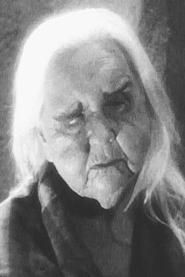
prolific character actress of the silent film era — known for her distinctive matronly appearances and versatile supporting roles. She began her film career in the late 1910s and quickly established herself as a reliable presence in both dramatic and comedic productions. Emmons worked with some of the most celebrated directors of her time, including D.W. Griffith, Buster Keaton, and Tod Browning, appearing in landmark films that defined the silent era. Her most notable period was from 1919 to 1928, during which she appeared in over 50 films, often playing mothers, landladies, townspeople, and other character roles that added depth and authenticity to the productions. Despite never achieving leading lady status, her consistent work ethic and memorable screen presence made her a valuable asset to the studios. With the advent of sound films, her career gradually declined, as was common for many silent-era character actresses whose particular screen personas didn't translate as effectively to talkies. Her legacy remains in the significant body of work she contributed to during cinema's transformative early decades.
The Craft
On Screen
Emmons specialized in character portrayals, particularly matronly figures and elderly women, bringing warmth and authenticity to her supporting roles. Her style was naturalistic for the era, avoiding the exaggerated gestures common in silent films, instead relying on subtle facial expressions and body language to convey emotion. She had a particular talent for playing sympathetic mother figures and concerned townspeople, often serving as the moral center or emotional anchor in her films.
Milestones
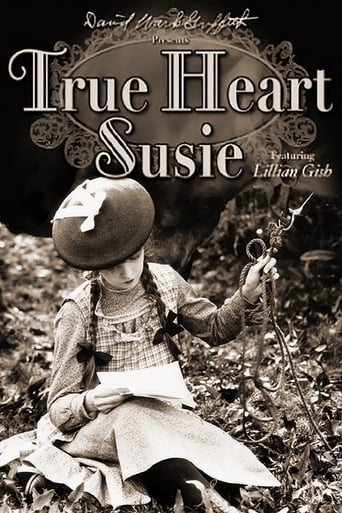
- Appeared in D.W. Griffith's 'True Heart Susie' (1919)
- Worked with Buster Keaton in 'Three Ages' (1923)
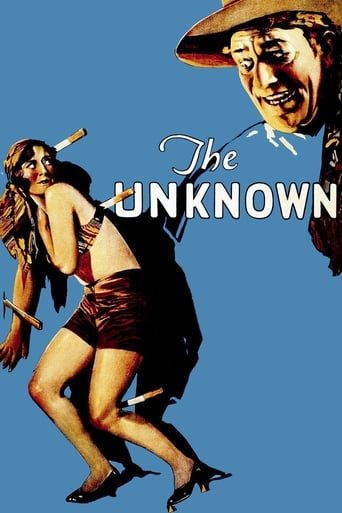
- Collaborated with Tod Browning and Lon Chaney in 'The Unknown' (1927)
- Featured in Paul Fejos's acclaimed 'Lonesome' (1928)
- Appeared in over 50 silent films during her career
Best Known For
Iconic Roles
Must-See Films
Working Relationships
Worked Often With
Studios
Why They Matter
Impact on Culture
Louise Emmons represents the essential but often overlooked character actors who formed the backbone of silent cinema. Her consistent presence in numerous significant films of the 1920s helped create the rich, textured worlds that made these movies memorable. While never a star, her work contributed to the success of some of the most important films of the silent era, and she exemplifies the type of reliable supporting talent that studios depended upon during Hollywood's formative years.
Lasting Legacy
Though largely forgotten by mainstream film history, Louise Emmons's legacy lives on through her surviving film appearances in classic silent movies. Film historians and silent cinema enthusiasts recognize her as a representative example of the working character actors who populated the golden age of silent film. Her performances serve as valuable documentation of the acting styles and techniques of the era, particularly in character acting.
Who They Inspired
As a character actress, Emmons influenced subsequent generations of supporting players by demonstrating the importance of authenticity and reliability in smaller roles. Her naturalistic approach to character portrayal, avoiding the melodramatic excesses common in the era, helped pave the way for more subtle character acting in later films.
Off Screen
Louise Emmons was born into a middle-class family in Philadelphia and began her entertainment career on the stage before transitioning to films. She married fellow actor James Corrigan in 1896, though the marriage ended in divorce. She never had children and devoted herself entirely to her craft. Later in life, she struggled financially as the film industry transitioned to sound, and she lived modestly in Hollywood until her death in 1935 at the age of 66.
Education
Limited formal education, trained in theater and dramatic arts through apprenticeship in traveling theater companies
Family
- James Corrigan (1896-1905)
Did You Know?
- Began her career in vaudeville and traveling theater before transitioning to films
- Was already in her 50s when she appeared in many of her most famous silent film roles
- Worked with three of silent cinema's most iconic directors: Griffith, Keaton, and Browning
- Appeared in both dramatic and comedic films, showcasing her versatility
- Her filmography includes over 50 confirmed appearances, though some may be lost
- Often typecast as mothers and elderly women despite being relatively young during many of these roles
- Survived the transition from silent films to talkies better than many of her contemporaries
- Was a favorite of casting directors for her reliability and professionalism
- Never received screen credit in many of her early films, as was common for character actors
- Her final film appearances were in early sound pictures in the late 1920s and early 1930s
In Their Own Words
In the silent pictures, your face had to do all the talking. Every wrinkle told a story.
I never wanted to be a star. I wanted to be a good actress, and there's a difference.
Frequently Asked Questions
Who was Louise Emmons?
American character actress who worked primarily in silent films during the 1910s and 1920s. She appeared in over 50 films, often playing mother figures, landladies, and other supporting roles in productions by major directors like D.W. Griffith and Buster Keaton.
What films is Louise Emmons best known for?
Titles linked here include True Heart Susie (1919), Three Ages (1923).
When was Louise Emmons born and when did she die?
Born January 29, 1869; died July 22, 1935.
What awards did Louise Emmons win?
Louise Emmons did not receive any major awards during her career, which was common for character actors of the silent era. Her recognition came from consistent work and the respect of directors and fellow actors rather than formal accolades.
What was Louise Emmons's acting style?
Louise Emmons specialized in naturalistic character portrayals, particularly matronly figures. She avoided the exaggerated gestures common in silent films, instead using subtle facial expressions and authentic emotions to bring depth to her supporting roles.
Did Louise Emmons successfully transition to sound films?
Like many silent-era actors, Louise Emmons's career declined with the advent of sound films. She appeared in a few early talkies in the late 1920s and early 1930s but her film career effectively ended by 1930, though she lived until 1935.
What was Louise Emmons's personal life like?
Louise Emmons married fellow actor James Corrigan in 1896, but they divorced in 1905. She had no children and devoted herself to her acting career. She struggled financially in her later years and lived modestly in Hollywood until her death.