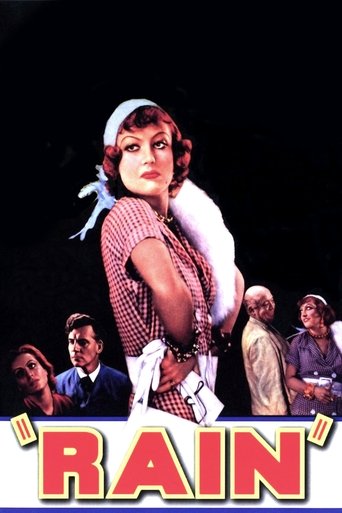
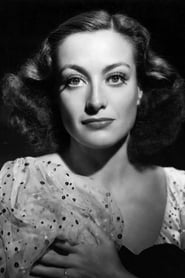
Joan Crawford
Actor
Born: March 23, 1904 in San Antonio, Texas, USA Died: May 10, 1977 Active: 1925-1972 Birth Name: Lucille Fay LeSueur
Films
13 films
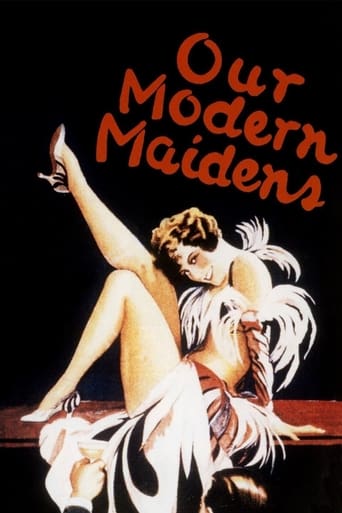
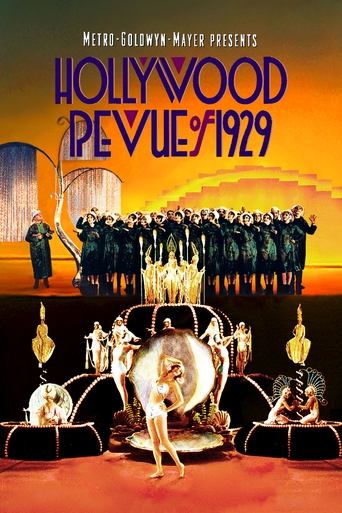
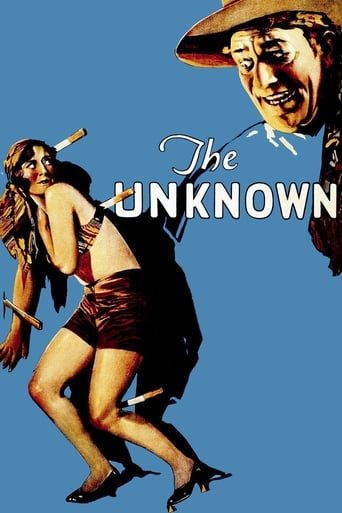
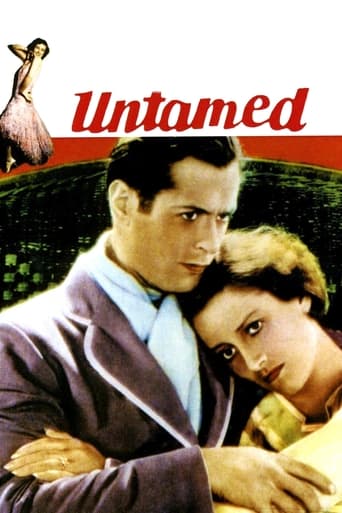
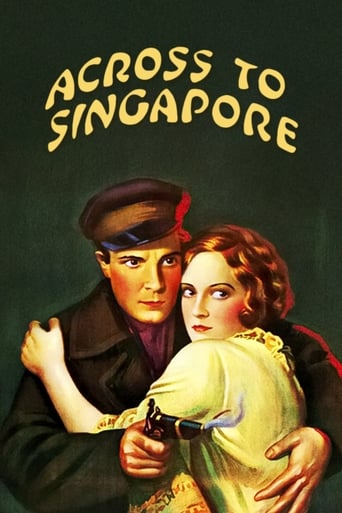
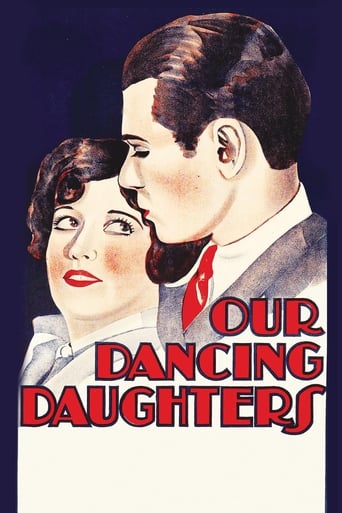
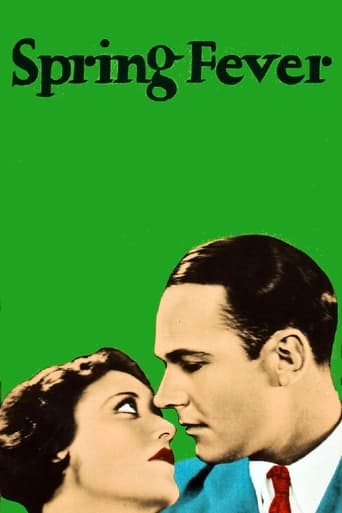
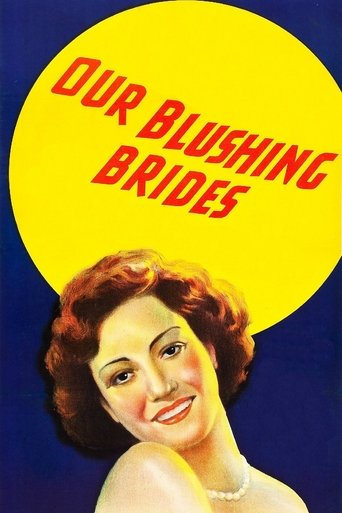
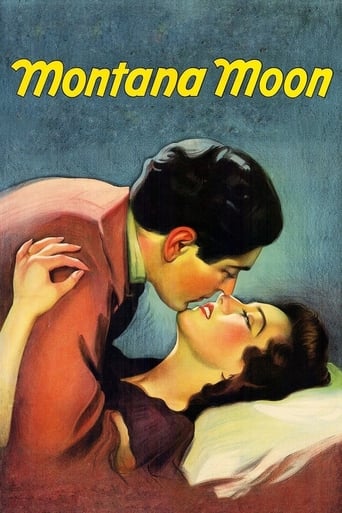
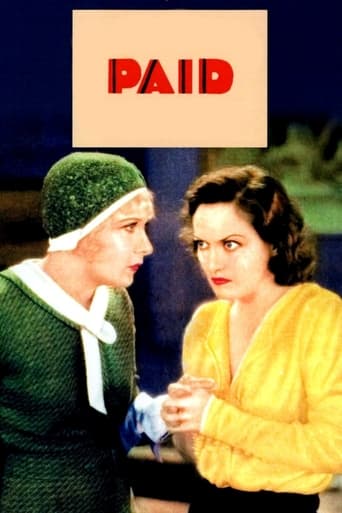
About Joan Crawford
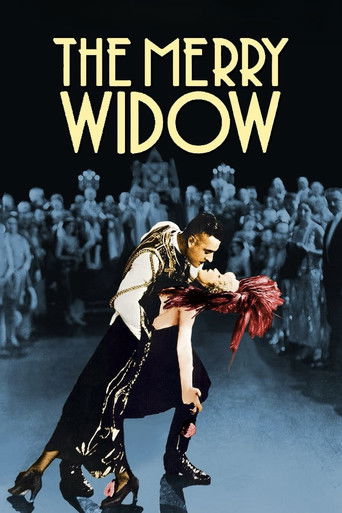
Joan Crawford, born Lucille Fay LeSueur, was one of Hollywood's most and enduring stars whose five decades from the silent era through the Golden Age of Hollywood. She began her career as a dancer in traveling theatrical companies before being discovered by MGM in 1925, where she quickly transitioned from bit parts in silent films like 'The Merry Widow' and 'The Unknown' to becoming a major star in the late 1920s. Crawford successfully made the transition to talkies with her distinctive husky voice and became MGM's top box-office draw throughout the 1930s, known for her glamorous portrayals of ambitious working-class women in films like 'Grand Hotel' and 'The Women'. After leaving MGM in 1943, she signed with Warner Bros. And delivered her career-defining performance in 'Mildred Pierce' (1945), which earned her an Academy Award for Best Actress. Her career experienced a remarkable resurgence in the 1960s with the psychological thriller 'What Ever Happened to Baby Jane?' (1962), co-starring Bette Davis, which revitalized her stardom. Crawford continued working in film and television until her death in 1977, leaving behind a complex legacy as both a talented actress and a Hollywood legend whose personal life was as dramatic as her screen performances.
The Craft
On Screen
Crawford was known for her intense, emotionally charged performances characterized by her distinctive husky voice, dramatic gestures, and powerful screen presence. Her acting evolved from the broad, expressive style required for silent films to a more nuanced, naturalistic approach in talkies, though she always maintained a heightened dramatic intensity. She specialized in playing strong-willed, ambitious women who often rose from humble beginnings to achieve success, bringing a blend of vulnerability and steely determination to her roles. Crawford's technique involved meticulous preparation and complete immersion in her characters, often physically transforming herself through diet, exercise, and distinctive makeup styles that became her trademark.
Milestones
- Film debut in 'Lady of the Night' (1925)
- Breakthrough role in 'Our Dancing Daughters' (1928)
- Academy Award for Best Actress for 'Mildred Pierce' (1945)
- Career revival with 'What Ever Happened to Baby Jane?' (1962)
- Final film appearance in 'Trog' (1970)
Best Known For
Iconic Roles
Must-See Films
Accolades
Won
- Academy Award for Best Actress (Mildred Pierce, 1945)
- New York Film Critics Circle Award for Best Actress (Mildred Pierce, 1945)
- Cecil B. DeMille Award (Golden Globes, 1970)
Nominated
- Academy Award nomination for Best Actress (Possessed, 1947)
- Academy Award nomination for Best Actress (Sudden Fear, 1952)
- Golden Globe nomination for Best Actress (What Ever Happened to Baby Jane?, 1963)
Special Recognition
- Hollywood Walk of Fame star (1750 Vine Street)
- AFI's Greatest American Female Screen Legends (#10)
- Inducted into the International Best Dressed List Hall of Fame
Working Relationships
Worked Often With
Studios
Why They Matter
Impact on Culture
Joan Crawford's impact on cinema and popular culture extends far beyond her film performances, influencing beauty standards, fashion, and the very concept of Hollywood stardom. Her transformation from Lucille LeSueur to Joan Crawford represented the power of studio image-making, and her distinctive look - featuring arched eyebrows, red lipstick, and shoulder pads - became iconic and widely imitated. Crawford's career longevity and ability to reinvent herself from flapper to dramatic actress to horror icon demonstrated remarkable adaptability in an industry known for discarding aging stars. Her public persona as a hardworking, self-made woman who overcame a difficult childhood resonated with Depression-era audiences and established a template for the strong female protagonist in cinema.
Lasting Legacy
Joan Crawford's legacy in film history is that of a true survivor who navigated the changing landscape of Hollywood for nearly five decades, leaving behind an impressive body of work that showcases her range and versatility. She represents the golden age of Hollywood stardom, when actors were manufactured by studios and maintained carefully constructed public images. Her Academy Award-winning performance in 'Mildred Pierce' remains a landmark in film noir and women's cinema, while her later work in psychological thrillers like 'What Ever Happened to Baby Jane?' helped create a new genre for aging actresses. Despite the controversies surrounding her personal life, Crawford's professional achievements and influence on subsequent generations of actors, particularly women, cement her place as one of cinema's most enduring and fascinating figures.
Who They Inspired
Crawford's influence on subsequent generations of actors is evident in the way she paved the way for women to maintain stardom well into middle age and beyond. Her intense acting style and dedication to craft influenced method actors who followed, while her business acumen, particularly her successful tenure on the PepsiCo board after marrying Alfred Steele, demonstrated that actresses could have successful business careers. The Crawford aesthetic - her makeup, fashion sense, and glamorous image - continues to inspire drag performers, fashion designers, and pop culture references. Her rivalry with Bette Davis and their collaboration in 'What Ever Happened to Baby Jane?' created a template for later films featuring aging actresses, influencing everything from 'Sunset Boulevard' to 'Feud: Bette and Joan'.
Off Screen
Joan Crawford had a complex personal life marked by multiple marriages, difficult relationships with her children, and a carefully constructed public image that masked private struggles. She married five times: to actors Douglas Fairbanks Jr., Franchot Tone, and Philip Terry, as well as businessman Alfred Steele and Harry Haynes. Her relationship with her adopted children Christina and Christopher became the subject of controversy after Christina's tell-all book 'Mommie Dearest' was published in 1978, depicting Crawford as an abusive mother. Crawford was known for her meticulous attention to her appearance, maintaining a rigorous beauty and fitness regimen throughout her life, and for her professional dedication that sometimes bordered on obsession.
Education
Attended Rockingham Academy in Kansas City and Stephens College in Columbia, Missouri (briefly before dropping out to pursue dancing career)
Family
- James Welton (1920-1922)
- Douglas Fairbanks Jr. (1929-1933)
- Franchot Tone (1935-1939)
- Philip Terry (1942-1946)
- Alfred Steele (1955-1959)
Did You Know?
- MGM held a contest to give her a more glamorous name, as studio head Louis B. Mayer thought 'LeSueur' sounded like sewage
- She was a clean freak who allegedly required her maid to scrub her garden's stones with a toothbrush
- Crawford was one of the first celebrities to endorse a product when she became a Pepsi-Cola board member
- She kept her Academy Award in her living room and would dust it herself every morning
- Despite her glamorous image, she grew up in poverty and worked as a waitress and laundress before Hollywood
- Her famous eyebrows were drawn on after she burned them off in an accident with a curling iron
- She was a registered Republican who supported Richard Nixon's presidential campaigns
- Crawford adopted all four of her children as a single mother
- She was known for arriving on set hours before call time to prepare herself mentally and physically
- Her last words were reportedly 'Damn it. Don't you dare ask God to help me' to her housekeeper who was praying
In Their Own Words
'I never go outside unless I look like Joan Crawford the movie star. If you want to see the girl next door, go next door.'
''I need to be alone. I need to ponder my shame and my despair in seclusion! I need to be alone! I need to think! I need to bleach my hair!'
'You have to be self-reliant and strong to survive in this business. If you start crying, you're finished.'
'I think the most important thing a woman can have is her self-respect.'
'Hollywood is like being nowhere and everywhere at the same time. It's like being in a vacuum.'
'I'm not saying I'm a saint, but I'm not as bad as they say I am.'
Frequently Asked Questions
Who was Joan Crawford?
Joan Crawford was one of Hollywood's most iconic and enduring stars, whose active years covered five decades from the silent era through the 1970s. Born Lucille Fay LeSueur, she became MGM's top box-office draw in the 1930s and won an Academy Award for 'Mildred Pierce' in 1945. She was known for her glamorous image, intense acting style, and remarkable ability to reinvent herself throughout her long career.
What films is Joan Crawford best known for?
Titles linked here include Mildred Pierce (1945), What Ever Happened to Baby Jane? (1962).
When was Joan Crawford born and when did she die?
Born March 23, 1904; died May 10, 1977.
What awards did Joan Crawford win?
Joan Crawford won the Academy Award for Best Actress for her performance in 'Mildred Pierce' (1945), as well as the New York Film Critics Circle Award for the same role. She also received the Cecil B. DeMille Award from the Golden Globes in 1970 for lifetime achievement. Additionally, she received three Academy Award nominations and was ranked #10 on AFI's list of greatest American female screen legends.
What was Joan Crawford's acting style?
Crawford's acting style was characterized by intense emotional delivery, dramatic gestures, and a distinctive husky voice that became her trademark in talkies. She evolved from the broad, expressive style of silent films to more nuanced performances, specializing in strong-willed, ambitious women. Her technique involved meticulous preparation and physical transformation, often through diet, exercise, and signature makeup styles that included famously arched eyebrows and red lipstick.