



The Hollywood Revue of 1929
"MGM stars trade sketches, songs, and inside jokes."
Keys: Space play/pause · ←/→ 10s · F fullscreen · M mute · </> speed
About this film
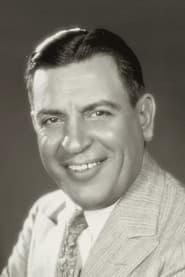
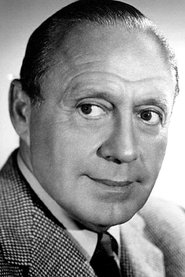
The masters of ceremonies are Conrad Nagel and Jack Benny. An all-star revue featuring MGM contract players. The Hollywood Revue of 1929, or simply The Hollywood Revue, is a 1929 American pre-Code musical comedy film released by Metro-Goldwyn-Mayer.
Cast & crew
More films like this
More Comedy films
View all →







More from Charles Reisner
View all →
More about this film
About the production
Release dateOctober 20, 1929
Budget$426,000
Box office$1.1 million
ProductionMetro-Goldwyn-Mayer (MGM)
Filmed inMGM Studios, Culver City, California
This was MGM's first all-talking, all-singing, all-dancing feature film and a massive undertaking requiring coordination of dozens of stars. The film was shot in both black and white and featured a two-color Technicolor sequence for 'The Ballet of the Bells.' Production was challenging due to early sound recording equipment, which limited camera movement and required performers to stand near hidden microphones. The studio invested heavily in this project as a showcase of their transition to sound technology and their impressive roster of talent.
Themes
Transition from silent to sound cinemaVaudeville and variety entertainment traditionsCelebration of MGM's star systemTechnological innovation in filmmakingPreservation of performance styles
Themes & topics
musical revueall-star castearly talkievaudevilleTechnicolorvariety showMGM starssound filmmusical numberscomedy sketches
Historical background
By 1929, competing studios crowded weekly bills, and The Hollywood Revue of 1929 had to win attention alongside newsreels and shorts.
Why this film matters
Archivists revisit The Hollywood Revue of 1929 (1929) for performance styles and craft choices that later releases refined or replaced.
Making of
The production of The Hollywood Revue of 1929 was a monumental undertaking that required unprecedented coordination among MGM's entire roster of stars. The studio essentially shut down regular production to accommodate filming, with stars working around the clock to complete their segments. Early sound technology presented significant challenges - the microphone had to be hidden in props or plants, and camera movements were severely restricted. Many silent film stars, who had never spoken on screen before, required extensive coaching to adapt their performances for sound. The film's director, Charles Reisner, had to manage egos and schedules while maintaining a cohesive vision for the variety show format. The Technicolor sequence required special lighting and camera equipment, adding to the production complexity. Despite these challenges, the film was completed on schedule and became a major success for the studio.
What critics said
Modern retrospectives screen The Hollywood Revue of 1929 for craft context—pacing, performance, and camera choices of 1929.
Did you know?
- This was the first film to feature the song 'Singin' in the Rain,' which would later become world-famous in the 1952 Gene Kelly film of the same name
- The film marked Buster Keaton's first appearance in a sound film, though he would later regret making the transition to talkies
- Joan Crawford performed her own singing and dancing in the film, showcasing her versatility as a performer
- The 'Ballet of the Bells' sequence was filmed in two-color Technicolor, one of the early uses of color in a sound film
- Jack Benny made his film debut in this production, launching his film and radio career
- The film was conceived as a response to the success of rival studios' all-star revue films
- Charles King, who had starred in MGM's 'The Broadway Melody,' performed multiple musical numbers in the revue
- A young Clark Gable appears in an uncredited role as one of the chorus members
- The film's title was specifically chosen to emphasize its contemporary nature and distinguish it from silent films
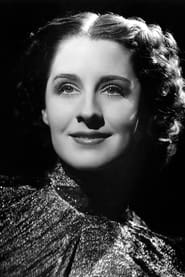
- Norma Shearer performed a dramatic scene from Romeo and Juliet, demonstrating that serious acting could translate to sound
Visual style
The cinematography of The Hollywood Revue of 1929 reflects the technical limitations and innovations of early sound filmmaking. Most of the film was shot in black and white with relatively static camera positions due to the bulky sound recording equipment. Cinematographers had to carefully balance lighting to accommodate both the needs of film exposure and the requirements of early sound recording. The Technicolor sequence 'The Ballet of the Bells' represented a significant technical achievement, showcasing the two-color process that could reproduce reds and greens but not blues. The visual style emphasized clarity and visibility to ensure performers could be clearly seen and heard, with simple backgrounds that didn't interfere with sound pickup. Despite these technical constraints, the cinematography successfully captured the glamour of MGM's stars and the spectacle of the production numbers.
Innovations
The Hollywood Revue of 1929 pioneered several technical innovations in early sound cinema. The film successfully demonstrated that complex musical numbers could be recorded with acceptable audio quality, solving many of the technical problems that had plagued earlier musical films. The integration of two-color Technicolor sequences with synchronized sound represented a significant technical breakthrough. The production team developed innovative microphone placement techniques, hiding microphones in props and set pieces to maintain visual continuity while capturing clear audio. The film also showcased advances in sound mixing, balancing multiple audio sources including dialogue, singing, and orchestral accompaniment. The successful coordination of dozens of performers in a single sound production established new standards for complex sound filmmaking.
Music
The film's soundtrack represents a comprehensive survey of popular music styles of the late 1920s, featuring original songs composed specifically for the production along with contemporary hits. The most significant contribution was the debut of 'Singin' in the Rain,' composed by Arthur Freed and Nacio Herb Brown, which would later become widely known songs in cinema history. The musical numbers ranged from operatic performances to jazz-influenced dance numbers, reflecting the diverse musical tastes of the era. The orchestral arrangements were lush and sophisticated, showcasing MGM's commitment to high production values. The soundtrack also included comedy sketches with dialogue, demonstrating the new possibilities of synchronized sound. The recording quality was considered exceptional for its time, with clear reproduction of both music and speech.
Famous quotes
I'm singing in the rain, just singing in the rain! What a glorious feeling, I'm happy again!" - First performance of this iconic song by the entire cast
Good evening, ladies and gentlemen. Welcome to Metro-Goldwyn-Mayer's first all-talking, all-singing, all-dancing production." - Opening line by host Conrad Nagel
You see, we're going to give you a little something different tonight - we're going to talk to you!" - Jack Benny introducing the novelty of sound film
Memorable scenes
- The spectacular finale featuring the entire cast performing 'Singin' in the Rain' with elaborate choreography and staging
- Buster Keaton's first sound performance in a comedy sketch demonstrating his struggle to adapt to talking pictures
- Joan Crawford's energetic solo dance number 'Got a Feeling for You' showcasing her early star power and versatility
- The Technicolor 'Ballet of the Bells' sequence featuring a dreamlike dance performance with innovative color photography
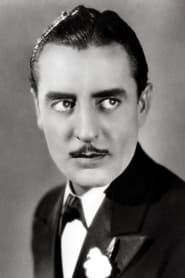
- John Gilbert's dramatic recitation from Romeo and Juliet, testing whether the romantic idol of silent films could succeed in talkies
What audiences thought
The Hollywood Revue of 1929 was a tremendous commercial success, grossing over $1.1 million against its $426,000 budget. Audiences were fascinated by the novelty of hearing their favorite silent stars speak and sing for the first time. The film's all-star format was a major draw, as moviegoers could see dozens of popular performers in a single feature. The spectacle of the production numbers and the novelty of sound technology created tremendous word-of-mouth buzz. The film's success validated MGM's investment in sound technology and encouraged other studios to produce similar all-star revues. Contemporary audience members particularly enjoyed the contrast between different performance styles and the opportunity to see stars like John Gilbert and Buster Keaton attempt to adapt their personas to sound.
Film connections
Influenced by
- Vaudeville theater traditions
- Broadway revue shows like 'Ziegfeld Follies'
- Earlier musical short films
- The Hollywood tradition of all-star benefit shows
This film influenced
- The Show of Shows (1929)
- Paramount on Parade (1930)
- The Big Broadcast series
- Singin' in the Rain (1952)
- That's Entertainment! series
Film restoration
The film is fully preserved in its original form, including the rare two-color Technicolor sequences. It has been restored by Warner Bros. and the UCLA Film & Television Archive, with both black and white and color elements carefully preserved. The original nitrate elements have been transferred to safety film, and the soundtrack has been digitally remastered. The film is considered to be in excellent preservation condition for a film of its era.
Where to watch
- Turner Classic Movies (TCM) periodic broadcasts
- Warner Bros. Home Entertainment DVD and Blu-ray releases
- Warner Archive Collection streaming service
- Classic film streaming platforms like The Criterion Channel
- Film archives and museum screenings including UCLA Film & Television Archive