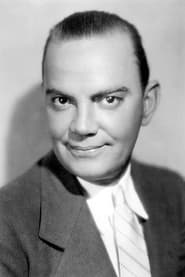
Cliff Edwards
Actor
Born: June 14, 1895 in Hannibal, Missouri, USA Died: July 17, 1971 Active: 1918-1969 Birth Name: Clifford Glen Edwards
Films
7 films



About Cliff Edwards
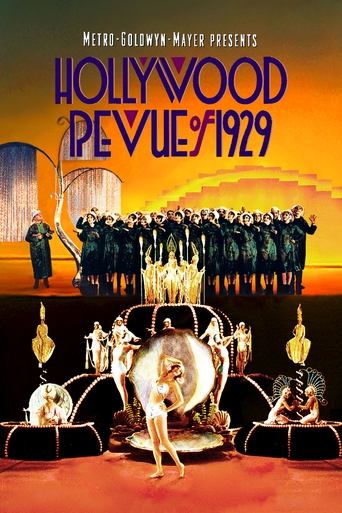
Cliff Edwards, known professionally as 'Ukulele Ike,' was an American entertainer who successfully transitioned from vaudeville to become one of early cinema's most recognizable character actors and voice artists. Born in Missouri in 1895, Edwards rose to fame in the 1920s with his distinctive ukulele playing and unique vocal style, recording numerous hit songs that helped popularize the instrument in American culture. His film career began in earnest with the advent of sound pictures, where his musical talents and comedic timing made him a valuable supporting player in early talkies like 'The Hollywood Revue of 1929.' Edwards' most enduring legacy comes from his voice work as Jiminy Cricket in Disney's animated masterpiece 'Pinocchio' (1940), where he delivered the performance of 'When You Wish Upon a Star,' which won the Academy Award for Best Original Song. Despite his considerable success, Edwards struggled with personal demons including gambling addiction and alcoholism, which eventually led to financial hardship and a decline in his career. He continued working in film and television through the 1950s and 1960s, often in uncredited roles, before his death in 1971. Edwards' contributions to both popular music and cinema, particularly his work in voice acting, have secured his place in entertainment history.
The Craft
On Screen
Cliff Edwards developed a distinctive acting style characterized by his natural, conversational delivery and ability to seamlessly blend musical performance with comedic timing. His approach was rooted in his vaudeville background, bringing an energetic and spontaneous quality to his screen performances. Edwards had a particular talent for playing endearing, slightly eccentric supporting characters, often using his musical abilities to enhance his roles. His voice work was revolutionary for its time, bringing a natural, human quality to animated characters that had previously been more theatrical and exaggerated.
Milestones
- Rose to fame as 'Ukulele Ike' in the 1920s with hit recordings
- Starred in early sound films including 'The Hollywood Revue of 1929'
- Voiced Jiminy Cricket in Disney's 'Pinocchio' (1940)
- Sang 'When You Wish Upon a Star' which won the Academy Award for Best Original Song
- Appeared in over 100 films throughout his career
- Had successful recording career with hits like 'Singin' in the Rain'
- Pioneered voice acting techniques in animation
Best Known For
Iconic Roles
Must-See Films
Accolades
Won
- Academy Award for Best Original Song for 'When You Wish Upon a Star' (1940)
Nominated
- Academy Award nomination for Best Original Song for 'When You Wish Upon a Star' (1940)
Special Recognition
- Disney Legend Award (posthumous)
- Hollywood Walk of Fame Star
- Songwriters Hall of Fame induction for 'When You Wish Upon a Star'
Working Relationships
Worked Often With
Studios
Why They Matter
Impact on Culture
Cliff Edwards made a profound impact on American popular culture through his work in multiple entertainment mediums. As 'Ukulele Ike,' he helped popularize the ukulele in mainstream American music during the 1920s, influencing countless musicians who followed. His work in early sound films demonstrated how musical performers could successfully transition to cinema, setting precedents for future singer-actors. Edwards' portrayal of Jiminy Cricket revolutionized voice acting in animation, establishing a more naturalistic approach that would become the industry standard. 'When You Wish Upon a Star,' performed by Edwards, has become. His career trajectory from vaudeville stardom to voice acting icon also illustrates the evolving landscape of American entertainment throughout the 20th century.
Lasting Legacy
Cliff Edwards' legacy endures through his timeless contributions to music and cinema, particularly his role as Jiminy Cricket, which continues to charm new generations of viewers. The song 'When You Wish Upon a Star' remains. Edwards' innovative approach to voice acting influenced the entire animation industry, helping establish voice work as a respected art form. Despite his personal struggles and relatively obscure final years, Edwards' artistic achievements have been increasingly recognized by film historians and musicologists. His induction into the Disney Legends and the continued use of his recordings in various media attest to the lasting quality of his work. Edwards represents an important bridge between the vaudeville era and modern entertainment, embodying the transition from stage to screen and from live performance to recorded media that defined 20th-century American culture.
Who They Inspired
Cliff Edwards influenced multiple generations of performers across various entertainment fields. His distinctive vocal style and ukulele playing inspired musicians like Tiny Tim and helped establish the ukulele as a legitimate instrument in popular music. In animation, his naturalistic approach to voice acting paved the way for future voice actors, demonstrating that animated characters could have subtle, nuanced performances. Edwards' success in transitioning from vaudeville to film provided a model for other performers facing the challenge of adapting to new media. His work with Disney helped establish the studio's reputation for high-quality voice acting and memorable musical performances. The emotional depth he brought to Jiminy Cricket influenced how voice actors approached character development in animation, moving beyond simple caricature to create fully realized personalities. Edwards' ability to blend comedy, music, and heartfelt emotion in his performances continues to inspire entertainers working in multiple disciplines.
Off Screen
Cliff Edwards' personal life was marked by both professional success and personal struggles. He married three times, with his first marriage to actress Marjorie White ending in divorce. His second marriage to actress Barbara Sears also ended in divorce, and his third marriage to Mary Ann Grimes lasted until his death. Edwards had no children of his own but was known to be generous with his extended family and friends. Despite earning substantial money during his peak years, his gambling addiction and financial mismanagement left him in poverty later in life. He spent his final years in a nursing home in California, largely forgotten by the public, though Disney executives occasionally visited him. His death from a heart attack came at age 76, with the cost of his funeral reportedly paid by the Walt Disney Company as a gesture of gratitude for his contributions to 'Pinocchio.'
Education
Limited formal education; largely self-taught musician who learned through experience in vaudeville and early entertainment circuits
Family
- Marjorie White (1925-1927)
- Barbara Sears (1930-1935)
- Mary Ann Grimes (1946-1971)
Did You Know?
- Got his nickname 'Ukulele Ike' after winning a ukulele in a poker game
- Was the first actor to voice Jiminy Cricket, creating the character's distinctive personality
- Recorded the hit song 'Singin' in the Rain' in 1929, decades before the famous film
- Struggled with gambling addiction that cost him millions of dollars
- Disney paid for his funeral when he died penniless in 1971
- Appeared in over 100 films but was often without on-screen billing in his later roles
- His version of 'When You Wish Upon a Star' was inducted into the Grammy Hall of Fame
- Was a pioneer of scat singing in early jazz recordings
- Performed for troops during World War II despite his advancing age
- His ukulele style influenced Hawaiian music's popularity in mainland America
In Their Own Words
When you wish upon a star, makes no difference who you are; anything your heart desires will come to you.
Always let your conscience be your guide.
A cricket ain't got no business being a conscience, but somebody's got to do it.
I've been a lucky man all my life, except when I wasn't.
Frequently Asked Questions
Who was Cliff Edwards?
Cliff Edwards, known as 'Ukulele Ike,' was an American singer, actor, and voice actor who gained fame in the 1920s and became immortalized as the voice of Jiminy Cricket in Disney's 'Pinocchio.' He was a figure in both popular music and voice acting, known for his distinctive ukulele playing and naturalistic vocal performances.
What films is Cliff Edwards best known for?
Titles linked here include Pinocchio (1940), The Hollywood Revue of 1929.
When was Cliff Edwards born and when did he die?
Born June 14, 1895; died July 17, 1971.
What awards did Cliff Edwards win?
Edwards won the Academy Award for Best Original Song in 1940 for 'When You Wish Upon a Star' from 'Pinocchio.' He has also been posthumously honored with a Disney Legend Award and has a star on the Hollywood Walk of Fame.
What was Cliff Edwards' musical style?
Edwards developed a unique musical style characterized by his distinctive ukulele playing, conversational vocal delivery, and innovative use of scat singing. His approach was informal and accessible, helping bridge the gap between formal musical performance and popular entertainment.
How did Cliff Edwards influence voice acting?
Edwards revolutionized voice acting by bringing a natural, human quality to animated characters through his performance as Jiminy Cricket. His subtle, nuanced approach moved away from the exaggerated theatrical style common in early animation, establishing new standards for voice acting that continue to influence the industry today.
What was Cliff Edwards' nickname and why?
Edwards was nicknamed 'Ukulele Ike' after winning a ukulele in a poker game and incorporating the instrument into his musical performances. The name stuck and became his professional persona throughout the 1920s and 1930s, helping establish his identity as a musical entertainer.