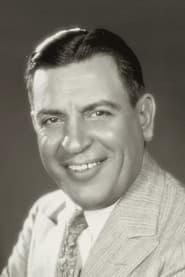
Charles Reisner
Actor & Director
Born: March 14, 1887 in Minneapolis, Minnesota, USA Died: September 24, 1962 Active: 1916-1952 Birth Name: Charles Francis Reisner
Films
5 films

About Charles Reisner
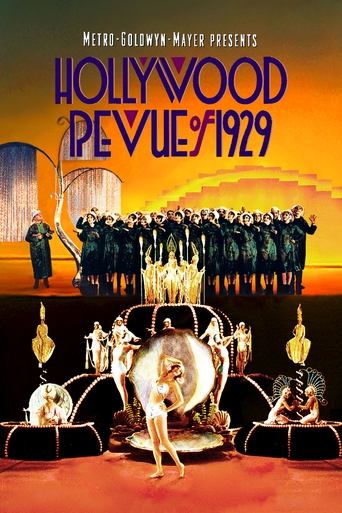
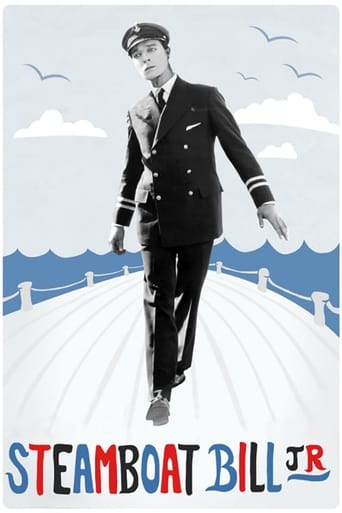
Charles Reisner (1887-1962) was a versatile American actor and director who made significant contributions to both silent and sound cinema. Beginning his career as a comedian in vaudeville, he transitioned to film where he first gained recognition as an actor in Charlie Chaplin productions, most notably in 'The Pilgrim' (1923). Reisner's directorial career flourished at MGM, where he helmed numerous successful features including the Buster Keaton classic 'Steamboat Bill, Jr.' (1928), which showcased his ability to blend physical comedy with compelling storytelling. He successfully navigated the transition to sound films, directing the ambitious all-star revue 'The Hollywood Revue of 1929' and continuing his directorial work through the 1930s and 1940s. Reisner was particularly adept at comedy and musical genres, working with major stars of the era including the Marx Brothers, Abbott and Costello, and Red Skelton. His over three decades, during which he directed more than 60 films and established himself as a reliable studio director capable of delivering commercially successful entertainment.
The Craft
On Screen
As an actor, Reisner specialized in comedic supporting roles, often playing the straight man or comic foil to bigger stars. His vaudeville background gave him excellent timing and physical comedy skills, which he employed effectively in Chaplin films. Though his acting career was relatively brief compared to his directing work, he brought a natural, unforced quality to his performances that made him a reliable character actor in the silent era.
Behind the Camera
Reisner was known for his efficient, workmanlike approach to directing, with a particular talent for comedy and musical sequences. He excelled at orchestrating complex physical comedy, as demonstrated in 'Steamboat Bill, Jr.' where he coordinated elaborate stunts and sight gags. His directing style was technically proficient and commercially oriented, focusing on clear storytelling and entertainment value rather than artistic experimentation. He was particularly skilled at handling ensemble casts and maintaining pacing in musical numbers and comedy routines.
Milestones
- Acted in Charlie Chaplin's 'The Pilgrim' (1923)
- Directed Buster Keaton in 'Steamboat Bill, Jr.' (1928)
- Directed the all-star musical 'The Hollywood Revue of 1929'
- Directed the Marx Brothers in 'Monkey Business' (1931)
- Directed Abbott and Costello in 'Pardon My Sarong' (1942)
- Made successful transition from silent to sound films
- Directed over 60 feature films during his career
Best Known For
Iconic Roles
Must-See Films
Accolades
Special Recognition
- Hollywood Walk of Fame star (located at 6423 Hollywood Boulevard)
Working Relationships
Worked Often With
Studios
Why They Matter
Impact on Culture
Charles Reisner played a significant role in the development of American comedy cinema during the transition from silent to sound films. His work with comedy legends like Buster Keaton and the Marx Brothers helped preserve and adapt physical comedy for the sound era. 'Steamboat Bill, Jr.' remains. Reisner's ability to successfully direct both silent and sound films made him an important bridge figure in Hollywood history, helping studios navigate the technological and artistic challenges of the late 1920s and early 1930s.
Lasting Legacy
Reisner's legacy lies primarily in his contributions to comedy cinema and his role in preserving the art of physical comedy during Hollywood's transition to sound. His films continue to be studied by film scholars and comedy enthusiasts for their innovative gag structures and timing. The fact that he worked with so many comedy legends across different eras of Hollywood history demonstrates his versatility and importance as a director. While not as famous as some of his contemporaries, Reisner's reliable craftsmanship and commercial success made him an essential part of Hollywood's Golden Age studio system.
Who They Inspired
Reisner influenced subsequent generations of comedy directors through his work on ensemble comedies and his ability to balance multiple comic talents within single films. His techniques for staging physical comedy and coordinating complex sequences have been studied and emulated by later directors. The success of his Marx Brothers and Abbott and Costello films helped establish templates for team comedy films that would be followed for decades. His sons' careers in the technical side of filmmaking also represent an extension of his influence within the industry.
Off Screen
Charles Reisner was married twice during his lifetime. His first marriage was to actress Marion Shilling, though the marriage ended in divorce. He later married Margaret D. Reisner, with whom he remained until his death. Reisner was the father of two sons, both of whom entered the film industry: Charles Reisner Jr. Worked as a film editor, and David Reisner became a sound engineer. Despite his successful career in Hollywood, Reisner maintained a relatively private personal life, focusing primarily on his work and family.
Education
Limited formal education; trained in vaudeville and theater performance
Family
- Marion Shilling (1926-1934)
- Margaret D. Reisner (1935-1962)
Did You Know?
- Began his career as a vaudeville performer before entering films
- Worked as Charlie Chaplin's assistant director before becoming a director himself
- The cyclone sequence in 'Steamboat Bill, Jr.' cost $25,000 to film, a huge budget for a stunt sequence in 1928
- Directed both silent and sound versions of some films during the transition period
- Was one of the few directors who successfully worked with both Buster Keaton and the Marx Brothers
- His star on the Hollywood Walk of Fame is in the category of Motion Pictures
- Made cameo appearances in some of the films he directed
- Was known for completing films on time and within budget, making him a favorite of studio executives
- was one of MGM's first all-talking, all-singing productions
- His son Charles Reisner Jr. Was nominated for an Academy Award for film editing
In Their Own Words
In comedy, timing isn't everything - it's the only thing
Directing is like conducting an orchestra; you need all the instruments playing in harmony
The transition from silent to sound wasn't about technology, it was about learning to tell stories in a new way
Working with the great comedians taught me that the best laughs come from truth, not tricks
Frequently Asked Questions
Who was Charles Reisner?
American actor and on YTB.my. He began as a comedian in vaudeville, became an actor in Charlie Chaplin films, and later became a successful director known for comedies and musicals.
What films is Charles Reisner best known for?
Titles linked here include Steamboat Bill, Jr. (1928), The Hollywood Revue of 1929.
When was Charles Reisner born and when did he die?
Born March 14, 1887; died September 24, 1962.
What awards did Charles Reisner win?
While Charles Reisner did not win major film awards during his lifetime, he received a star on the Hollywood Walk of Fame for his contributions to motion pictures. His son Charles Reisner Jr. Was nominated for an Academy Award for film editing.
What was Charles Reisner's directing style?
Reisner was known for his efficient, workmanlike approach with a special talent for comedy and musical sequences. He excelled at orchestrating physical comedy and complex ensemble scenes, focusing on clear storytelling and entertainment value rather than artistic experimentation.
How did Charles Reisner transition from acting to directing?
Reisner began as an actor in Charlie Chaplin's films, where he also worked as Chaplin's assistant director. This experience led to opportunities to direct his own films, starting with shorts in the early 1920s before moving to feature films.
Did Charles Reisner work with any famous comedians?
Yes, Reisner worked with many of the greatest comedians of his era including Charlie Chaplin (as actor), Buster Keaton, the Marx Brothers, Abbott and Costello, and Red Skelton. He was particularly successful at directing team comedies.
What was Charles Reisner's role in early sound films?
Reisner was instrumental in helping Hollywood transition to sound films. He directed 'The Hollywood Revue of 1929,' one of MGM's first all-talking productions, and successfully adapted his directing techniques from silent to sound films throughout the late 1920s and 1930s.