
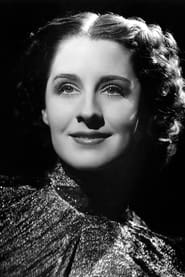
Norma Shearer
Actor
Born: August 10, 1902 in Montreal, Quebec, Canada Died: June 12, 1983 Active: 1919-1942 Birth Name: Edith Norma Shearer
Films
7 films
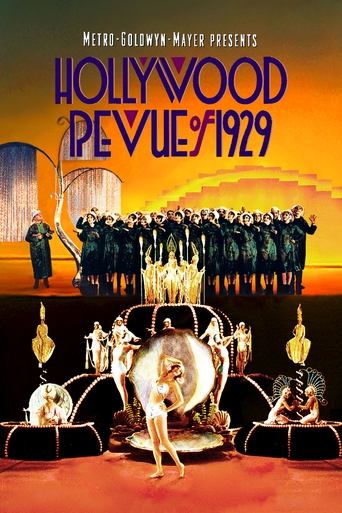

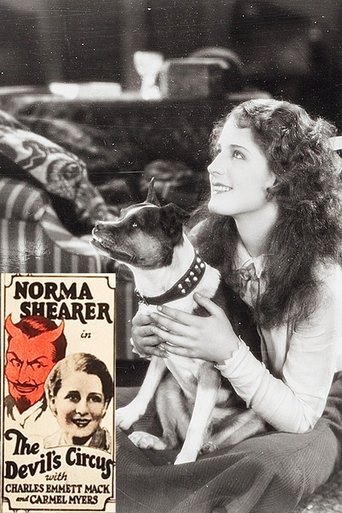

About Norma Shearer
Norma Shearer was sophisticated and influential actresses of Hollywood's Golden Age, renowned for her elegant portrayals of modern, independent women. Born in Montreal, she moved to New York as a teenager and began her film career in silent pictures, gradually building her reputation through various supporting roles. Her breakthrough came when she signed with MGM in 1923, where she would become one of the studio's biggest stars and the 'First Lady of MGM.' Shearer successfully transitioned from silent films to talkies, demonstrating remarkable versatility across dramatic roles, sophisticated comedies, and historical epics. Her career reached its zenith in the early 1930s with acclaimed performances in films like 'The Divorcee' (1930), for which she won the Academy Award for Best Actress, and 'A Free Soul' (1931). After the death of her husband, producer Irving Thalberg, in 1936, her career began to decline, though she continued making films until her retirement in 1942. She spent her remaining years in seclusion, becoming one of Hollywood's most reclusive former stars until her death in 1983.
The Craft
On Screen
Norma Shearer was known for her sophisticated, intelligent acting style that combined elegance with emotional depth. She pioneered the portrayal of modern, sexually liberated women in early sound cinema, bringing a naturalistic approach that was ahead of its time. Her performances were characterized by precise diction, graceful movement, and an ability to convey complex emotions through subtle facial expressions. Shearer was particularly adept at playing strong-willed, independent characters who challenged social conventions, making her a feminist icon of her era. Her technique evolved from the exaggerated gestures of silent film to the more nuanced performances required by talkies, demonstrating remarkable adaptability.
Milestones
- Signed with MGM in 1923, becoming one of their contract stars
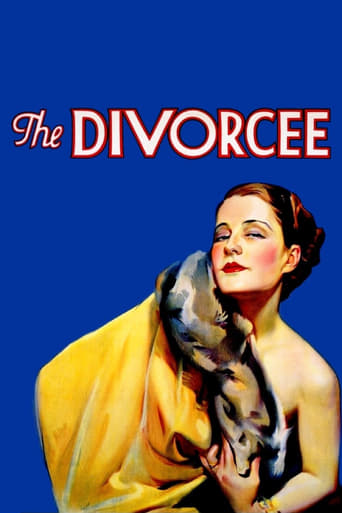
- Won Academy Award for Best Actress for 'The Divorcee' (1930)
- Married MGM producer Irving Thalberg in 1927
- Successfully transitioned from silent films to talkies
- Starred in 'The Women' (1939), one of her most iconic roles
- Received six Academy Award nominations during her career
- Became known as 'The First Lady of MGM'
Best Known For
Iconic Roles
Must-See Films
Accolades
Won
- Academy Award for Best Actress for 'The Divorcee' (1930)
- Venice Film Festival Volpi Cup for Best Actress for 'The Barretts of Wimpole Street' (1934)
- New York Film Critics Circle Award for Best Actress for 'The Women' (1939)
Nominated
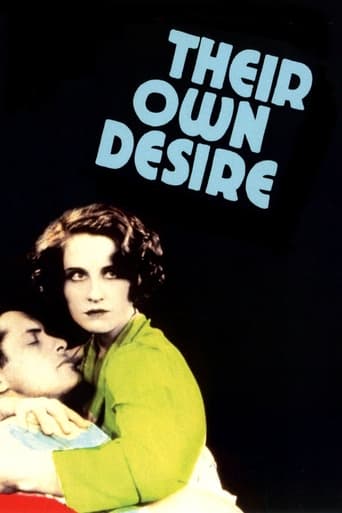
- Academy Award nomination for Best Actress for 'Their Own Desire' (1929)
- Academy Award nomination for Best Actress for 'A Free Soul' (1931)
- Academy Award nomination for Best Actress for 'The Barretts of Wimpole Street' (1934)
- Academy Award nomination for Best Actress for 'Romeo and Juliet' (1936)
- Academy Award nomination for Best Actress for 'Marie Antoinette' (1938)
- Academy Award nomination for Best Actress for 'Idiot's Delight' (1939)
Special Recognition
- Hollywood Walk of Fame star at 6636 Hollywood Boulevard
- AFI's Greatest Screen Legends ranking (#84 among female stars)
- Inducted into Canada's Walk of Fame (2008, posthumously)
Working Relationships
Worked Often With
Studios
Why They Matter
Impact on Culture
Norma Shearer revolutionized the portrayal of women in American cinema during the transition from silent films to talkies. As one of the first actresses to successfully tackle complex, sexually liberated characters in early sound films, she helped define the modern woman on screen during the pre-Code era. Her sophisticated performances challenged traditional gender roles and presented audiences with intelligent, independent female protagonists who pursued their own desires. Shearer's success demonstrated that actresses could carry major productions without male leads, paving the way for future generations of women in film. Her influence extended beyond her performances; as the wife of producer Irving Thalberg, she had significant input in casting and production decisions, helping shape the artistic direction of MGM during its golden age.
Lasting Legacy
Norma Shearer's legacy endures as. She is remembered for her remarkable ability to transition between genres, from sophisticated comedies to intense dramas and historical epics. Her Academy Award-winning performance in 'The Divorcee' remains a landmark in early sound cinema, while 'The Women' stands as proof of her star power and ability to lead an all-female ensemble. Shearer's career represents the pinnacle of the studio system, where talent, ambition, and strategic career choices could create lasting cinematic art. Today, film historians recognize her as a figure who helped establish the template for the modern Hollywood actress - intelligent, sophisticated, and commercially successful. Her films continue to be studied and appreciated for their technical excellence and her nuanced performances.
Who They Inspired
Norma Shearer influenced generations of actresses through her sophisticated approach to character development and her willingness to tackle controversial roles. Her success in playing sexually liberated women during the pre-Code era inspired actresses like Bette Davis and Barbara Stanwyck to push boundaries in their own careers. Shearer's technique of combining elegance with emotional depth became a model for actresses seeking to maintain their dignity while playing complex, morally ambiguous characters. Her business acumen and understanding of the film industry, gained through her marriage to Irving Thalberg, influenced how future stars approached career management and contract negotiations. Contemporary actresses who portray strong, independent women owe a debt to Shearer's trailblazing work in establishing that women could be both glamorous and intellectually formidable on screen.
Off Screen
Norma Shearer led a life marked by both professional triumph and personal tragedy. She married MGM production chief Irving Thalberg in 1927, one of Hollywood's most powerful marriages, which combined artistic ambition with genuine romance. Thalberg's death in 1936 devastated Shearer and marked the beginning of her career decline. She had two children with Thalberg: Irving Jr. And Katherine. After retiring from films, Shearer became increasingly reclusive, rarely giving interviews or making public appearances. She spent her final decades at her luxurious home in Los Angeles, maintaining her privacy and dignity as one of Hollywood's legendary figures.
Education
Attended Westmount High School in Montreal; studied drama at the Royal Academy in New York City
Family
- Irving Thalberg (1927-1936, until his death)
Did You Know?
- She was the first Canadian-born actress to win an Academy Award
- She initially wanted to be a nurse before pursuing acting
- Her sister Athole Shearer was also an actress and married director Howard Hawks
- She lost the role of Scarlett O'Hara in 'Gone with the Wind' to Vivien Leigh
- She was known for her meticulous preparation and would spend weeks researching her roles
- She owned one of the largest collections of antiques and art in Hollywood
- She was a close friend of Joan Crawford despite their professional rivalry
- She turned down the lead role in 'The Great Ziegfeld' (1936)
- She was one of the highest-paid actresses in Hollywood during the 1930s
- She retired from acting after 'Her Cardboard Lover' (1942) and never returned to films
- She was a distant cousin of actress Fay Wray
In Their Own Words
"I never enjoyed my work more than when I played a good, hard-working, thinking woman." - On her preference for complex roles
"I learned to act by watching the great actors and by studying human nature." - On her acting technique
"I wanted to be the best. I didn't want to be second best to anyone." - On her career ambition
"The camera loves you if you love it back. It's a mutual admiration society." - On her relationship with the camera
"I never played a vamp. I always played a lady who might have been a vamp if circumstances had been different." - On her character choices
Frequently Asked Questions
Who was Norma Shearer?
Canadian-American actress who became one of MGM's biggest stars during Hollywood's Golden Age. Known as 'The First Lady of MGM,' she won an Academy Award for Best Actress and was famous for her sophisticated portrayals of modern, independent women in films like 'The Divorcee' and 'The Women.'
What films is Norma Shearer best known for?
Titles linked here include The Divorcee (1930), The Women (1939).
When was Norma Shearer born and when did she die?
Born August 10, 1902; died June 12, 1983.
What awards did Norma Shearer win?
She won the Academy Award for Best Actress for 'The Divorcee' (1930), the Venice Film Festival Volpi Cup for 'The Barretts of Wimpole Street' (1934), and the New York Film Critics Circle Award for 'The Women' (1939). She received six Academy Award nominations during her career.
What was Norma Shearer's acting style?
Shearer was known for her sophisticated, intelligent acting style that combined elegance with emotional depth. She pioneered naturalistic performances in early sound cinema and was particularly adept at playing strong-willed, independent characters who challenged social conventions, making her a feminist icon of her era.
Who was Norma Shearer married to?
She was married to Irving Thalberg, the legendary MGM producer, from 1927 until his death in 1936. Their marriage was considered one of Hollywood's most powerful unions, combining artistic ambition with genuine romance.
Why did Norma Shearer retire from acting?
Shearer retired in 1942 after her film 'Her Cardboard Lover' failed at the box office. The death of her husband Irving Thalberg in 1936 had deeply affected her, and she gradually lost interest in filmmaking. She spent her remaining decades in seclusion, becoming one of Hollywood's most reclusive former stars.