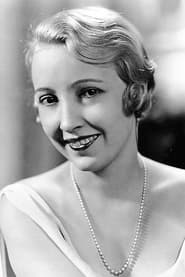
Bessie Love
Actor
Born: September 10, 1898 in Midland, Texas, United States Died: April 26, 1986 Active: 1916-1983 Birth Name: Juanita Horton
Films
15 films
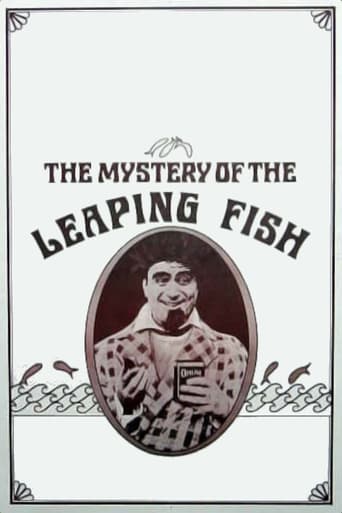
The Mystery of the Leaping Fish
1916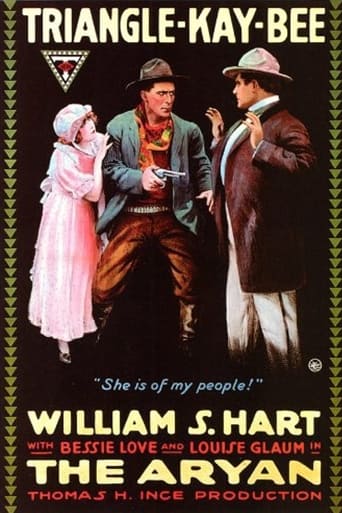
The Aryan
1916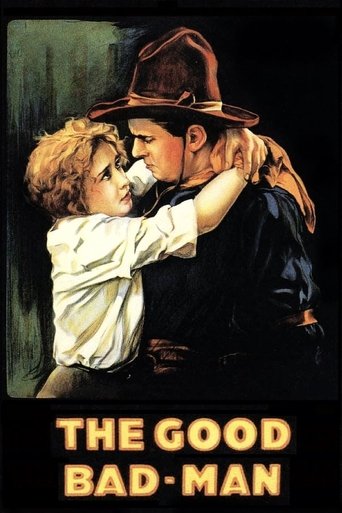
The Good Bad-Man
1916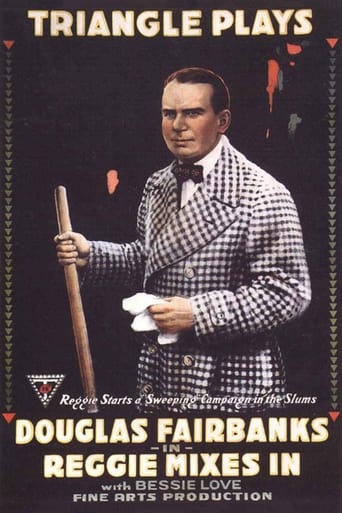
Reggie Mixes In
1916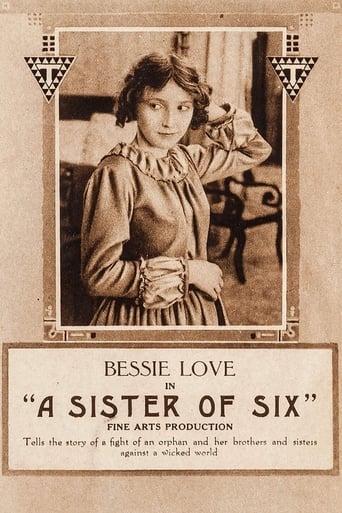
A Sister of Six
1916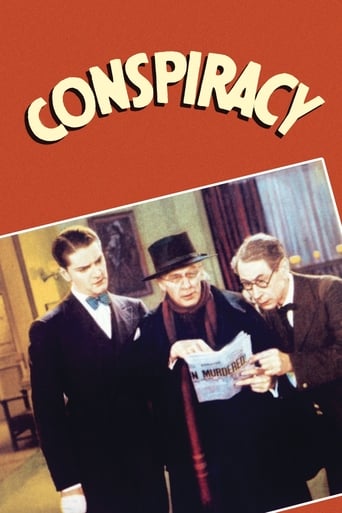
Conspiracy
1930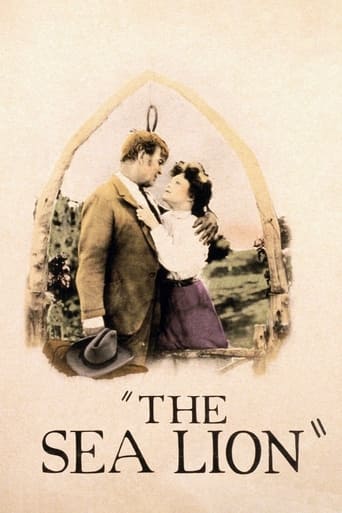
The Sea Lion
1921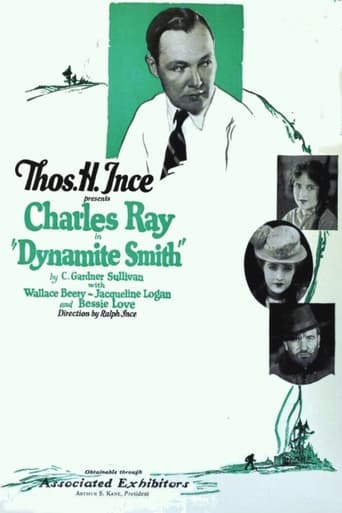
Dynamite Smith
1924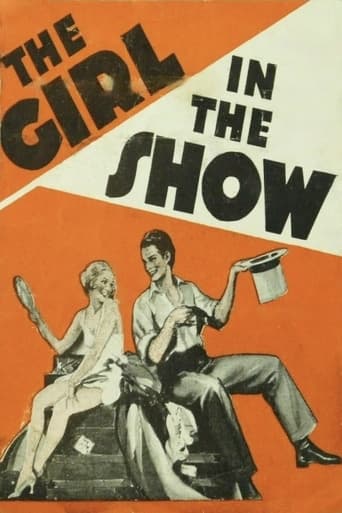
The Girl in the Show
1929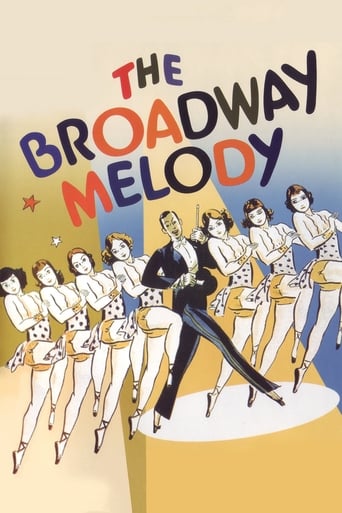
The Broadway Melody
1929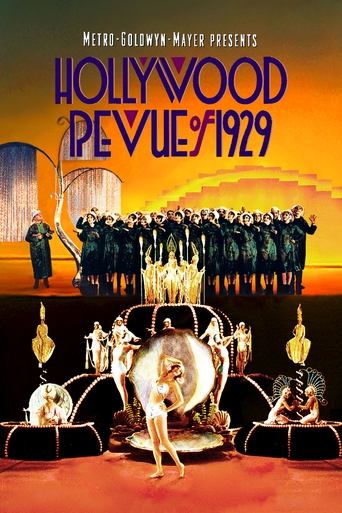
The Hollywood Revue of 1929
1929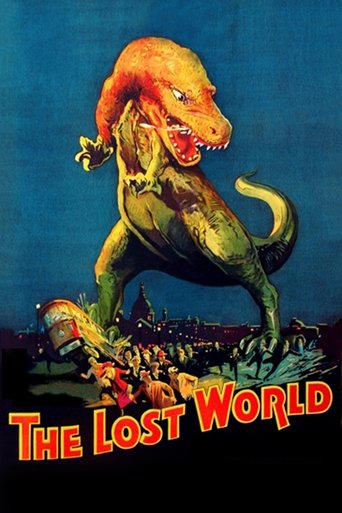
The Lost World
1925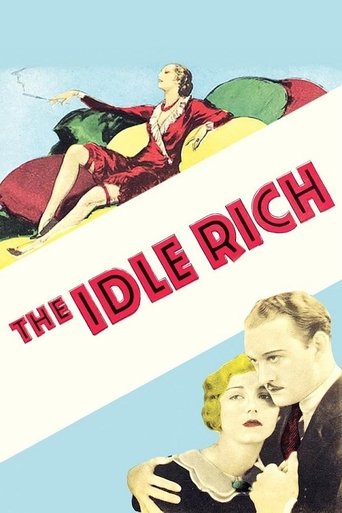
The Idle Rich
1929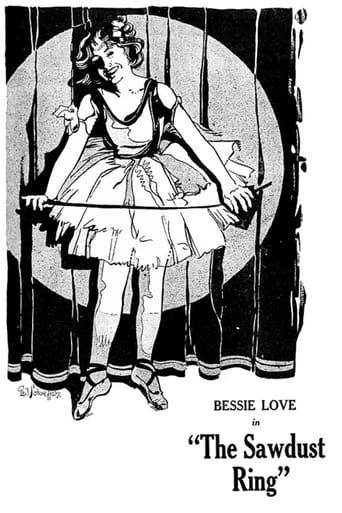
The Sawdust Ring
1917About Bessie Love
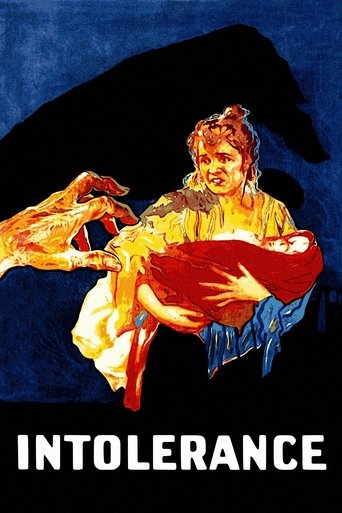
American actress who successfully transitioned from silent films to talkies, enjoying a remarkable career that spanned over seven decades. Born Juanita Horton, she began her film career as a teenager after being discovered by film director D.W. Griffith while visiting Universal Studios. Her breakthrough came with her role in Griffith's monumental epic 'Intolerance' (1916), which launched her to stardom as popular actresses of the 1920s. Love became known for her energetic performances and natural acting style, starring in numerous comedies and dramas throughout the silent era. She made a spectacular transition to sound films with her Oscar-nominated performance in 'The Broadway Melody' (1929), the first all-talking musical to win the Academy Award for Best Picture. Her career in Hollywood waned in the 1930s, leading her to relocate to England where she continued working in films and television well into her later years. Love remained active in the entertainment industry until the 1980s, making her one of the last surviving stars from the silent era, and she published her autobiography 'The Men in My Life' in 1977, chronicling her extraordinary journey through Hollywood's golden age.
The Craft
On Screen
Bessie Love was known for her naturalistic and energetic acting style that stood out even in the exaggerated era of silent films. She possessed a remarkable ability to convey complex emotions through subtle facial expressions and body language, making her performances feel authentic and relatable. Her dancing abilities and athletic physicality added dynamism to her roles, particularly in musical numbers and comedic scenes. Love's transition to sound was seamless due to her clear diction and natural speaking voice, which avoided the theatrical delivery common among many silent actors. She brought a modern sensibility to her characters, often portraying independent, spirited young women who resonated with contemporary audiences.
Milestones
- Breakthrough role in D.W. Griffith's 'Intolerance' (1916)
- Academy Award nomination for 'The Broadway Melody' (1929)
- Successful transition from silent films to talkies
- Leading lady status at MGM in the 1920s
- Relocation to England and continued career in British film and television
- Publication of autobiography 'The Men in My Life' (1977)
- One of the last surviving silent film stars
Best Known For
Iconic Roles
Must-See Films
Accolades
Won
- Academy Honorary Award (1977) - For her contributions to the development of motion pictures
Nominated
- Academy Award for Best Actress (1930) - For The Broadway Melody
Special Recognition
- Hollywood Walk of Fame star (1960)
- Academy Honorary Award (1977)
- Lifetime Achievement Award from the British Film Institute
Working Relationships
Worked Often With
Studios
Why They Matter
Impact on Culture
Bessie Love played a crucial role in bridging the gap between silent and sound cinema, demonstrating that silent actors could successfully adapt to the new medium. Her Oscar-nominated performance in 'The Broadway Melody' helped establish the template for Hollywood musicals and proved the commercial viability of all-talking films. As one of the few silent stars to successfully transition to talkies, she became a symbol of resilience and adaptability in the rapidly changing film industry. Her work in British cinema during the 1930s and 1940s helped strengthen cultural ties between Hollywood and the British film industry. Love's longevity in the business, from the 1910s to the 1980s, made her a living link to cinema's earliest days, and she frequently appeared in documentaries and interviews about film history, preserving the memory of Hollywood's golden age for future generations.
Lasting Legacy
Bessie Love's legacy encompasses her role in early cinema, her successful navigation of the transition to sound, and her remarkable longevity in the entertainment industry. She is remembered as. Her autobiography provides invaluable firsthand accounts of early Hollywood, and her preservation of silent film artifacts and memories has contributed significantly to film history scholarship. Love's ability to reinvent herself and remain relevant across decades serves as an inspiration for performers facing industry changes. Her Academy Honorary Award in 1977 formally recognized her lasting contributions to cinema, cementing her place as an important figure in film history.
Who They Inspired
Bessie Love influenced generations of performers through her example of adaptability and professionalism. Her natural acting style helped move film performance away from theatrical exaggeration toward more realistic portrayals. Younger actresses studying the transition from silent to sound films often look to her career as a model of successful adaptation. Her work in musical films influenced the development of the genre, particularly in how dance and acting could be integrated seamlessly. Love's later career in British television demonstrated the possibilities for older actors to remain active and relevant, influencing how the industry viewed mature performers. Her preservation efforts and historical accounts have influenced film historians and scholars in understanding early Hollywood culture.
Off Screen
Bessie Love's personal life was marked by both glamour and tragedy. She married producer William Hawks (brother of director Howard Hawks) in 1929, but their marriage ended in divorce in 1935. They had one daughter, Susan, born in 1932. Love later married stockbroker William P. Brackett in 1937, with whom she remained until his death in 1973. During her peak Hollywood years, she was known for her lavish lifestyle and friendships with other silent era stars like Mary Pickford and Douglas Fairbanks. Her move to England in the 1930s marked a significant life change, where she found new success and stability away from the pressures of Hollywood.
Education
Attended Los Angeles High School before leaving to pursue her film career
Family
- William Hawks (1929-1935)
- William P. Brackett (1937-1973)
Did You Know?
- Her stage name 'Bessie Love' was given to her by D.W. Griffith, who thought her birth name Juanita Horton was too ethnic for audiences
- She was discovered while visiting Universal Studios with her mother when she was only 17 years old
- At the height of her fame in the 1920s, she received over 5,000 fan letters per week
- She was one of the few silent stars who successfully made the transition to sound films without losing her popularity
- Her performance in 'The Broadway Melody' was groundbreaking as it featured her singing and dancing in the first all-talking musical
- She became a British citizen in 1939 after relocating there
- Love appeared in over 200 films throughout her career
- She was a skilled dancer and performed many of her own stunts in action films
- During WWII, she entertained troops and worked for the British war effort
- She lived to be 87 years old, making her one of the longest-lived stars from the silent era
In Their Own Words
The transition from silent to sound wasn't as difficult for me as it was for some others. I had always been a natural actress, not a theatrical one.
Hollywood in those days was like a small town. Everyone knew everyone, and we were all making it up as we went along.
I never thought of myself as a star. I was just an actress who loved her work and was grateful for the opportunities.
The secret to longevity in this business is adaptability. You have to change with the times or you'll be left behind.
Frequently Asked Questions
Who was Bessie Love?
American actress who successfully transitioned from silent films to talkies, starring in over 200 films during a career that spanned from 1916 to 1983. She was discovered by D.W. Griffith and became.
What films is Bessie Love best known for?
Titles linked here include Intolerance: Love's Struggle Throughout the Ages (1916), The Broadway Melody (1929).
When was Bessie Love born and when did she die?
Born September 10, 1898; died April 26, 1986.
What awards did Bessie Love win?
Bessie Love received an Academy Award nomination for Best Actress for 'The Broadway Melody' in 1930. She later received an Academy Honorary Award in 1977 for her contributions to the development of motion pictures, and has a star on the Hollywood Walk of Fame.
What was Bessie Love's acting style?
Bessie Love was known for her naturalistic and energetic acting style that stood out in the silent era. She conveyed emotions through subtle expressions rather than theatrical gestures, making her transition to sound films seamless. Her athletic physicality and dancing abilities added dynamism to her performances.
How did Bessie Love transition from silent to sound films?
Bessie Love made. Her natural acting style and clear speaking voice helped her adapt, and her Oscar-nominated performance in 'The Broadway Melody' (1929) showcased her singing and dancing abilities in the first all-talking musical.
Did Bessie Love work in British cinema?
Yes, after her Hollywood career waned in the 1930s, Bessie Love moved to England and became a British citizen in 1939. She had a successful second career in British films and television, appearing in numerous productions through the 1960s and 1970s.
What was Bessie Love's legacy in film history?
Bessie Love's legacy lies in her role in early cinema, her successful navigation of the silent-to-sound transition, and her remarkable career longevity. She preserved the memory of early Hollywood through her autobiography and interviews, and her Academy Honorary Award recognized her lasting contributions to cinema.