Reggie Mixes In
"Society thrill in the slums"
Keys: Space play/pause · ←/→ 10s · F fullscreen · M mute · </> speed
About this film
Wealthy Reggie Van Deuzen slums for excitement, falls for cabaret singer Agnes, and clashes with her gangster protector in this 1916 Triangle program picture starring Douglas Fairbanks.
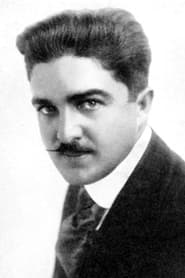
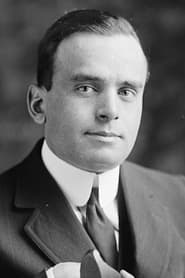
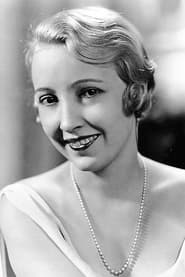
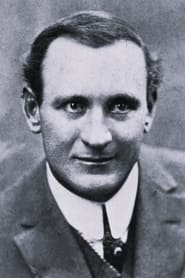
Cast & crew
More films like this
More Action films
View all →
More from Christy Cabanne
View all →
More about this film
About the production
Release dateJune 4, 1916
Box officeExact figures unknown, but Fairbanks was a major box office draw and the film was commercially successful
ProductionFine Arts Film Company, Triangle Film Corporation
Filmed inLos Angeles, California, Fine Arts Studio in Hollywood
This was one of several films Fairbanks made for Triangle Corporation during his early career before forming his own production company. The film featured elaborate set designs depicting both high society ballrooms and gritty underworld locations. Fairbanks performed his own stunts, including dangerous rooftop chases and fight sequences that became his trademark.
Themes
Class contrast and social mobilityThe allure of danger and excitementRedemption through actionUrban underworld vs. high societyRomantic competition and honor
Themes & topics
wealthy protagonistgangstercabaret singerclass differencesurban adventureromantic rivalryduelunderworlddisguisechase sequencestuntsforbidden lovegang warfarehigh societyworking class
Historical background
Reggie Mixes In preceded Fairbanks's swashbuckling fame, showing his athletic charm in contemporary urban settings.
Why this film matters
'Reggie Mixes In' represents an important milestone in the development of the action-adventure genre in American cinema. The film helped establish Douglas Fairbanks's signature persona of the athletic, optimistic hero who uses physical prowess and moral courage to overcome obstacles. This character type would influence countless action heroes throughout cinema history. The film also exemplifies the early Hollywood practice of using class contrast as a dramatic device, exploring the fascination of wealthy characters with the dangerous allure of the underworld. The movie's success demonstrated the commercial viability of action-comedy hybrids and contributed to the standardization of the three-act structure in narrative filmmaking. Additionally, the film's portrayal of urban gang life prefigured the gangster film genre that would become prominent in the 1930s.
Making of
The production of 'Reggie Mixes In' took place during a pivotal period in Douglas Fairbanks's career as he was transitioning from character actor to leading man. Fairbanks insisted on performing all his own stunts, much to the concern of director Christy Cabanne and the studio. The famous rooftop chase sequence required Fairbanks to jump between buildings without safety nets or wires, a practice that would be impossible in modern filmmaking. Bessie Love recalled in her memoirs that Fairbanks was constantly joking on set and would often improvise athletic flourishes during scenes that weren't in the script. The film's gangland setting required extensive research into New York's criminal underworld, with the production team studying newspaper accounts and police reports to create authentic costumes and sets. Triangle Film Corporation invested heavily in the production, recognizing Fairbanks's growing popularity and box office appeal.
What critics said
Critics saw Fairbanks's star potential; the film is a footnote before The Mark of Zorro reshaped his career.
Did you know?
- This was Douglas Fairbanks's 12th film appearance and helped establish his persona as the athletic, adventurous hero
- Bessie Love was only 18 years old when she starred in, early in her career that would span decades
- Director Christy Cabanne was a protégé of D.W. Griffith and directed over 100 films during his career
- The film was part of Triangle Film Corporation's prestigious lineup of quality productions
- Fairbanks's character's full name was Reggie Van Deuzen, reflecting the Dutch influence in New York high society
- The cabaret scenes featured authentic period jazz music performed live during filming
- The film's success led to Fairbanks renegotiating his contract with Triangle for higher pay
- Gang boss Tony Bernardi was played by Joseph Singleton, a character actor who specialized in villainous roles
- The duel sequence was filmed in one continuous take, a technical achievement for 1916
- The film was one of the first to use location shooting in actual Los Angeles neighborhoods rather than just studio sets
Visual style
The cinematography by William F. Bitzer and Victor Fleming employed innovative techniques for the time, including dynamic camera movement during chase sequences and creative use of lighting to distinguish between the bright, airy world of high society and the shadowy, dangerous underworld. The film utilized location shooting in actual Los Angeles neighborhoods, giving it a more authentic visual texture than many studio-bound productions of the era. The duel sequence featured particularly effective use of silhouette and backlighting to create dramatic tension. The camera work during Fairbanks's stunt scenes employed wider angles to fully capture his athletic movements, a technique that would become standard in action filmmaking.
Innovations
The film featured several technical innovations for its time, including the use of mobile camera dollies during chase sequences and sophisticated editing techniques to create tension and pacing. The production employed multiple camera setups for complex scenes, allowing for more dynamic editing than was typical in 1916. The rooftop chase sequence utilized early safety equipment hidden from view, allowing for more dangerous stunts while protecting the performers. The film's special effects included matte paintings to create the illusion of New York cityscapes and innovative use of miniatures for certain establishing shots. The duel sequence's continuous take was a technical achievement that required precise coordination between actors, camera operators, and lighting technicians.
Music
As a silent film, 'Reggie Mixes In' was accompanied by live musical performances in theaters. The original score was composed by William F. Peters and featured a mix of popular songs of the period and original compositions. The cabaret scenes included authentic jazz and ragtime music that reflected the contemporary musical tastes of urban America. Theater orchestras would typically adapt the score to their available musicians, with larger theaters employing full orchestras while smaller venues used piano or organ accompaniment. The musical cues were carefully synchronized with the on-screen action, with romantic scenes featuring sweeping melodies and action sequences accompanied by dramatic, rhythmic compositions.
Famous quotes
A man who's never been in danger has never really lived!" - Reggie Van Deuzen
In this world, you're either the hunter or the hunted." - Tony Bernardi
Love doesn't care about social boundaries, only about hearts." - Agnes
Sometimes the greatest adventure is finding out who you really are." - Reggie Van Deuzen
Memorable scenes
- The opening sequence where Reggie, dressed in his finest evening wear, dramatically decides to explore the city's underworld, symbolizing his rejection of his privileged life
- The cabaret performance scene where Reggie first sees Agnes, featuring authentic period jazz music and elaborate choreography
- The rooftop chase sequence where Reggie pursues gang members across multiple buildings, showcasing Fairbanks's athletic abilities and daring stunts
- The climactic duel between Reggie and Tony Bernardi, filmed in one continuous take with dramatic lighting and tension
- The final scene where Reggie must choose between his old life and his new love, representing the film's central theme of self-discovery
What audiences thought
The film was highly popular with audiences in 1916, drawing large crowds to theaters across the United States. Fairbanks's growing star power and the film's mix of action, romance, and comedy appealed to a broad demographic. Contemporary audience accounts from theater reviews and newspaper reports indicate that viewers particularly enjoyed the stunt sequences and Fairbanks's athletic performances. The film's success at the box office helped cement Fairbanks's status as. Audience reactions to the class contrast elements suggest that the theme of the wealthy man experiencing life among the working class resonated strongly with moviegoers during a period of significant social change in America.
Film connections
Influenced by
- D.W. Griffith's narrative techniques
- European adventure films
- Contemporary newspaper stories about gangsters
- Shakespearean romance elements
- American dime novel adventure stories
This film influenced
- Douglas Fairbanks's later swashbuckling films
- Early gangster films of the 1920s and 1930s
- Action-comedy films of the silent era
- The 'rich slumming' genre of films
Film restoration
The film is partially preserved with some reels missing. The Library of Congress holds an incomplete copy, and portions of the film exist in various archives including the Museum of Modern Art and the UCLA Film and Television Archive. Approximately 60-70% of the original film survives, with key sequences including the duel and major chase scenes intact. Restoration efforts have been ongoing, with the surviving elements having been transferred to digital format for preservation. The missing portions are documented through production stills and contemporary reviews, allowing for a reasonable reconstruction of the complete narrative.
Where to watch
- The film is available through the Library of Congress's online catalog for research purposes
- Some archives have made the surviving footage available through academic streaming services
- Occasionally screened at silent film festivals and classic cinema retrospectives
- Selected clips are available on YouTube and other video platforms through public domain sources
- The UCLA Film and Television Archive maintains viewing copies for scholarly research