
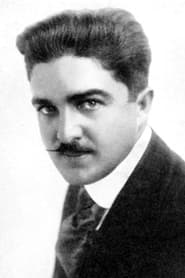
Christy Cabanne
Actor & Director
Born: April 16, 1888 in St. Louis, Missouri, USA Died: October 15, 1950 Active: 1911-1930 Birth Name: William Christy Cabanne
Films
19 films
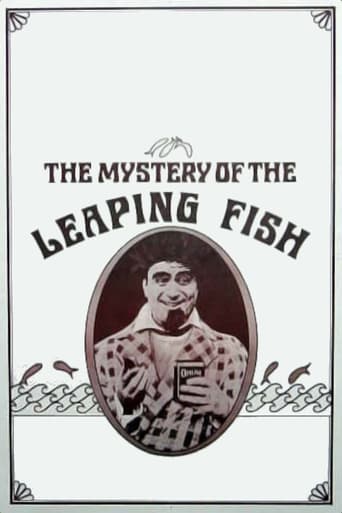
The Mystery of the Leaping Fish
1916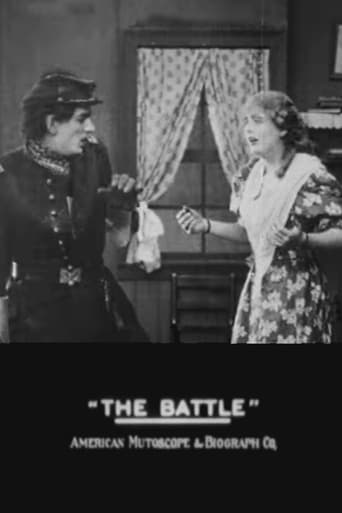
The Battle
1911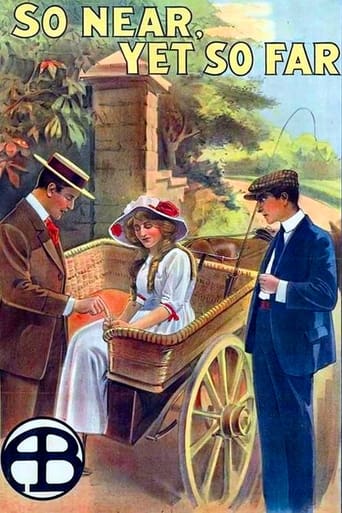
So Near, Yet So Far
1912
The Wanderer
1913
Reggie Mixes In
1916
The House of Darkness
1913
Conspiracy
1930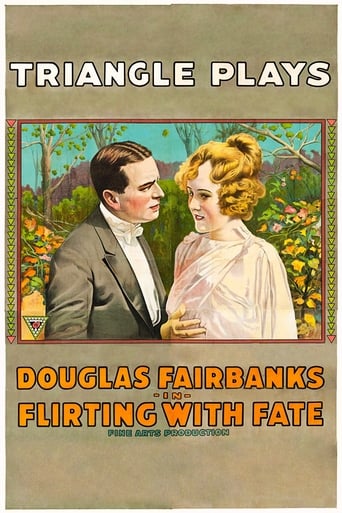
Flirting with Fate
1916
Lena and the Geese
1912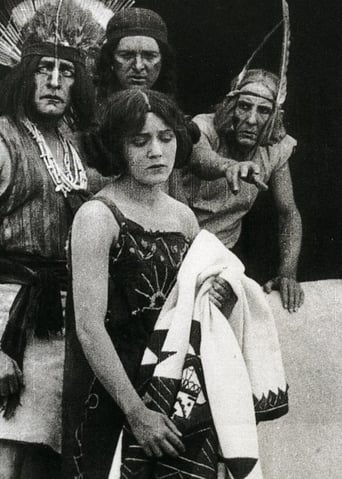
A Pueblo Legend
1912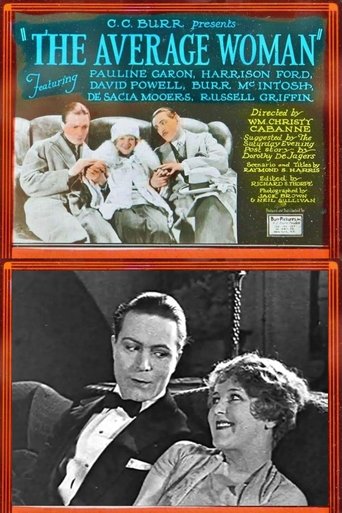
The Average Woman
1924
A Beast at Bay
1912
The Goddess of Sagebrush Gulch
1912
Double Trouble
1915
Enoch Arden
1915
Under Burning Skies
1912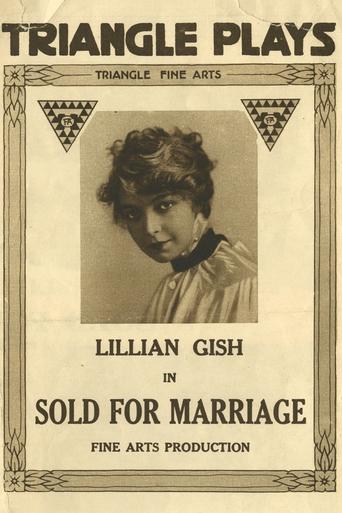
Sold for Marriage
1916
The Old Actor
1912About Christy Cabanne
Prolific American film director and actor who emerged from the D.W. Griffith school of filmmaking at Biograph Studios. Born William Christy Cabanne in St. Louis, Missouri, he began his film career as an actor in Griffith's company before transitioning to directing in 1911. Cabanne became known for his remarkable efficiency and versatility, ultimately directing over 150 films across various genres including westerns, comedies, dramas, and action pictures. He achieved particular recognition for his collaborations with Douglas Fairbanks in several early features and for directing the controversial historical epic 'Martyrs of the Alamo' in 1915. While never achieving the artistic reputation of Griffith or other major contemporaries, Cabanne — reliable studio director who consistently delivered films on schedule and within budget. His the entire silent era and extended into the early sound period, though his output diminished significantly in the 1930s as the studio system evolved. Cabanne retired from filmmaking in the mid-1930s after a career that exemplified the journeyman director who formed the backbone of classical Hollywood cinema.
The Craft
On Screen
As an actor in early Biograph films, Cabanne worked within the theatrical style common to the silent era, using exaggerated gestures and facial expressions to convey emotion effectively without dialogue. His acting roles were generally supporting and secondary, as he quickly recognized his greater talents lay behind the camera. Cabanne's experience as an actor gave him valuable insight into performance direction when he transitioned to filmmaking, allowing him to work effectively with actors and understand the technical requirements of screen performance during cinema's formative years.
Behind the Camera
Cabanne was known as a practical, efficient studio director who could work quickly across multiple genres while maintaining professional quality. His directing style was straightforward and commercially-oriented, prioritizing clear storytelling and entertainment value over artistic experimentation or innovation. He was particularly adept at staging action sequences and handling comedic timing, bringing a reliable competence to projects that emphasized commercial success. Cabanne's approach exemplified the studio system director who could deliver any type of film requested by producers, making him valuable to Hollywood executives during the industry's rapid expansion.
Milestones
- Transitioned from actor to director at Biograph Studios under D.W. Griffith
- Directed over 150 films during his career
- Collaborated with Douglas Fairbanks on several successful features
- Directed the controversial historical epic 'Martyrs of the Alamo' (1915)
- Directed the comedy 'The Mystery of the Leaping Fish' (1916) which became a cult classic
- Worked for virtually every major Hollywood studio during the silent era
Best Known For
Iconic Roles
Must-See Films
Accolades
Won
- No major awards recorded
Nominated
- No major nominations recorded
Special Recognition
- No significant honors recorded
Working Relationships
Worked Often With
Studios
Why They Matter
Impact on Culture
Christy Cabanne represents the archetype of the journeyman director who formed the backbone of Hollywood's studio system during its formative years. While never achieving the artistic recognition of contemporaries like Griffith or DeMille, Cabanne's prolific output helped establish the commercial foundations of American cinema during the silent era. His work with early stars like Douglas Fairbanks contributed to the development of star-driven filmmaking that would become central to Hollywood's success. Cabanne's ability to work efficiently across genres demonstrated the versatility required of studio directors and helped establish production methods that would dominate Hollywood for decades. His films, while not considered artistic masterpieces, provide valuable documentation of popular entertainment and early filmmaking techniques during cinema's transition from novelty to major art form.
Lasting Legacy
Cabanne's legacy lies in his substantial contribution to the development of Hollywood's studio system and his role in the early careers of actors who became major stars. His films, though rarely celebrated as artistic achievements, are studied by film historians interested in the evolution of American cinema and the practical workings of the silent era studio system. Many of his films have been preserved by archives and serve as important examples of commercial filmmaking during the 1910s and 1920s. Cabanne represents the thousands of competent, professional filmmakers whose collective work built the Hollywood film industry and established patterns of production that would influence global cinema throughout the 20th century.
Who They Inspired
While Cabanne didn't develop a distinctive cinematic style that directly influenced other directors, his professional approach to filmmaking exemplified the studio system that would dominate Hollywood for decades. His efficient working methods and ability to handle diverse genres provided a model for studio directors throughout the classical era. Cabanne's career trajectory from actor to director also offered a blueprint for other filmmakers seeking advancement in the industry. His collaborations with stars like Douglas Fairbanks helped establish patterns of action-comedy performance that influenced subsequent films and actors in the genre.
Off Screen
Cabanne married actress Lillian Walker in 1917, though their marriage ended in divorce in 1921. He later married actress and screenwriter Ida May Park in 1923, who became his frequent collaborator on numerous film projects, writing screenplays for many of his directorial efforts. Beyond his extensive film career, Cabanne was known as a practical businessman who understood the commercial aspects of Hollywood production and maintained good relationships with studio executives. Despite his prolific output, he maintained a relatively low public profile, focusing on his craft rather than seeking celebrity status. His second marriage to Park lasted until his death in 1950.
Education
Family
- Lillian Walker (1917-1921, divorced)
- Ida May Park (1923-1950, his death)
Did You Know?
- Began his career as a stage actor before entering films in 1911
- Worked as an assistant to D.W. Griffith at Biograph Studios
- Directed over 150 films during his 20-year career
- His film 'Martyrs of the Alamo' (1915) was controversial for its portrayal of Mexican characters
- Collaborated frequently with his second wife Ida May Park on screenplays
- Was one of the first directors to work with Douglas Fairbanks in feature films
- His efficiency as a director made him extremely valuable to studio executives
- Appeared as an actor in over 30 films before transitioning to directing
- Directed films for virtually every major Hollywood studio of the silent era
- His active years covered the entire transition from silent films to early sound pictures
- Many of his films are now considered lost due to the deterioration of nitrate film stock
- Was known for completing films ahead of schedule and under budget
In Their Own Words
No famous quotes recorded in available sources
Frequently Asked Questions
Who was Christy Cabanne?
Prolific American on YTB.my. He directed over 150 films and began his career as an actor in D.W. Griffith's company at Biograph Studios before transitioning to directing in 1911, becoming known for his efficiency and versatility across multiple genres.
What films is Christy Cabanne best known for?
Titles linked here include Martyrs of the Alamo (1915), The Mystery of the Leaping Fish (1916).
When was Christy Cabanne born and when did he die?
Born April 16, 1888; died October 15, 1950.
What was Christy Cabanne's relationship with D.W. Griffith?
Cabanne began his film career as an actor in D.W. Griffith's company at Biograph Studios, where he served as one of Griffith's assistants and learned directing techniques from the master filmmaker. Griffith later gave Cabanne his first directing opportunities at the studio, launching his successful career behind the camera.
What was Christy Cabanne's directing style?
Cabanne was known as a practical, efficient studio director who worked quickly across multiple genres. His style was straightforward and commercially-oriented, focusing on clear storytelling and entertainment value rather than artistic innovation, making him valuable to studio executives who needed films produced on schedule and within budget.
Did Christy Cabanne win any major awards?
No major awards or nominations for Christy Cabanne have been recorded in available sources. Like many studio directors of his era, his contributions were primarily commercial rather than critically recognized, though his work helped establish the foundations of Hollywood's studio system.
What was Christy Cabanne's personal life like?
Cabanne was married twice, first to actress Lillian Walker (1917-1921) and later to actress-screenwriter Ida May Park (1923-1950), who frequently collaborated with him on film projects. He had no recorded children and maintained a relatively low public profile despite his extensive career in Hollywood.