The House of Darkness
"Griffith calms—and alarms—a pianist's escapee."
Keys: Space play/pause · ←/→ 10s · F fullscreen · M mute · </> speed
About this film
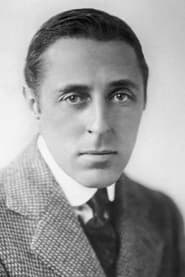
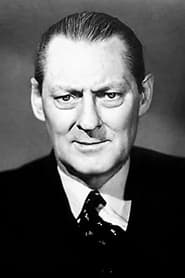
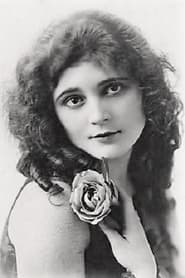
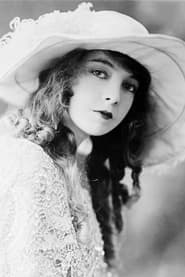
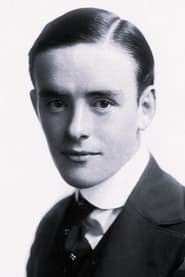
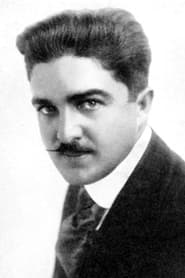
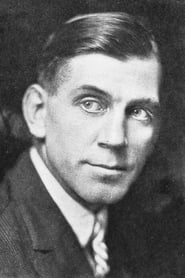
A potentially violent patient in an insane asylum is calmed when he hears a nurse playing the piano. But shortly afterwards he breaks free, eludes his pursuers, and acquires a gun. He soon comes to a house where a young wife is home alone, and there is a tense confrontation.
Cast & crew
More films like this
More Drama films
View all →







More from D.W. Griffith
View all →
More about this film
About the production
Release dateJuly 26, 1913
Box officeBox office records for individual short films of 1913 were not systematically tracked
ProductionThe Biograph Company
Filmed inCalifornia - likely at Biograph's studio facilities in Los Angeles
the production was produced during Griffith's remarkably prolific period at Biograph, where he directed approximately 450 short films between 1908-1913. The production would have been completed in just a few days, typical of the rapid pace of filmmaking in the early 1910s. The asylum scenes were likely shot on simple studio sets, while the house location may have been filmed on location or on an outdoor set constructed by the Biograph crew.
Themes
Mental illness and its treatmentThe therapeutic power of musicDomestic security and vulnerabilityInstitutional confinement vs. freedomGender dynamics and the 'woman in peril' trope
Themes & topics
asylumescapepianomental illnesssuspensehome invasiongunnursetherapeutic musicconfrontationpursuitdomestic drama
Historical background
The House of Darkness (1913) reached screens through The Biograph Company. Exhibitors of the time built nickelodeon-era programs that mixed shorts, features, and live acts, so a clear premise helped The House of Darkness travel between cities and exchange markets.
Why this film matters
Archivists and revival programmers still cite The House of Darkness (1913) when tracing studio habits, casting pools, and the visual rhetoric audiences once took for granted. Even modest surviving prints help map how The House of Darkness fit beside competing releases of its day.
Making of
The production of 'The House of Darkness' took place during D.W. Griffith's final months with the Biograph Company, where he had been honing his craft since 1908. The film was likely shot in just two or three days, following the efficient production methods that allowed Griffith to direct dozens of films annually. Lionel Barrymore, already an established stage actor, was transitioning to film work and would become one of Griffith's reliable performers. The asylum setting would have been created using minimal studio resources, typical of Biograph's economical approach to filmmaking. The piano scenes were particularly important in silent films, as they provided an opportunity for visual storytelling through performance rather than intertitles. Griffith was known for his meticulous attention to performance and likely worked closely with Barrymore to create the character's dramatic transformation from violent to calm to menacing. The film's tension-building sequences demonstrate Griffith's developing mastery of cinematic techniques that would influence generations of filmmakers.
What critics said
Trade coverage around 1913 discussed The House of Darkness for pacing, clarity, and program fit rather than blockbuster grosses. Later writers value it as evidence of period style and as a reference point beside other films from the same era.
Did you know?
- the production was released during D.W. Griffith's most creative period at Biograph, just before he would revolutionize cinema with his controversial masterpiece 'The Birth of a Nation' (1915)
- Lionel Barrymore, who plays the escaped patient, would go on to become one of Hollywood's most beloved character actors and win an Academy Award for 'A Free Soul' (1931)
- The film explores themes of mental illness and music therapy that were quite progressive for 1913, showing Griffith's interest in social issues
- Like many Biograph films of this era, it was originally released on a split-reel, meaning it shared a film reel with another short feature to maximize theater programming
- The piano music that calms the patient would have been provided live by a pianist in the theater during screenings, as this was during the silent film era before synchronized sound
- Claire McDowell, who plays the young wife, was a frequent Griffith collaborator who appeared in dozens of his films
- The film survives today and has been preserved by film archives, making it accessible to modern audiences interested in early cinema
- At 17 minutes, this was considered a relatively long film for 1913, as most shorts of the period were 10-12 minutes
- The gun acquisition sequence demonstrates Griffith's growing mastery of cross-cutting to build tension
- the production was released just as feature-length films were beginning to emerge, though shorts would remain dominant for several more years
Visual style
The cinematography by Billy Bitzer, Griffith's frequent collaborator, employs the visual language typical of the period but with growing sophistication. The film uses medium shots for character interactions and close-ups for emotional emphasis, techniques that Griffith was helping to establish as standard cinematic practice. The asylum scenes likely employed darker lighting to create an oppressive atmosphere, while the domestic setting would have been brighter to contrast with the institutional environment. The camera work is relatively static, as was common in 1913, but Griffith was beginning to experiment with more dynamic camera placement and movement. The film's visual composition reflects Griffith's theatrical background while adapting stage techniques for the cinematic medium. The contrast between institutional and domestic spaces is visually articulated through set design and lighting choices.
Innovations
While not technically groundbreaking compared to some of Griffith's other works of the period, 'The House of Darkness' demonstrates several important technical achievements of early cinema. The film employs cross-cutting between the escaping patient and his pursuers to build suspense, a technique that Griffith was helping to perfect. The use of intertitles is minimal and economical, reflecting Griffith's preference for visual storytelling over explanatory text. The film's pacing and rhythm show Griffith's developing understanding of cinematic time and how to manipulate audience emotions through editing. The production values, while modest by later standards, represent the professional standards being established by the American film industry in 1913. The film's survival in good condition is itself a technical achievement, given the fragility of early film stock and the loss of many films from this period.
Music
As a silent film, 'The House of Darkness' would have been accompanied by live musical performance during theatrical exhibitions. The piano music featured prominently in the narrative would have been particularly significant, with theater pianists likely playing appropriate selections during these scenes. The score would have varied by theater and musician, but might have included popular classical pieces of the era or specially composed mood music. The tension-building sequences would have been accompanied by dramatic musical selections to enhance the suspense. The film's emphasis on piano music within the story demonstrates the important role of live musical accompaniment in the silent film experience. The quality and appropriateness of musical accompaniment could significantly affect audience reception of films during this period.
Famous quotes
As a silent film, dialogue was conveyed through intertitles and performance rather than spoken dialogue
Memorable scenes
- The pivotal scene where the violent patient is calmed by the nurse's piano playing, demonstrating the therapeutic power of music and providing a moment of peace before the ensuing tension; The tense home invasion sequence where the escaped patient confronts the young wife alone in her house, showcasing Griffith's mastery of suspense and cross-cutting techniques
What audiences thought
Audience reception data for individual short films of 1913 is not systematically documented, but Biograph films featuring D.W. Griffith's direction were generally popular with theater-goers of the era. The film's suspenseful narrative and dramatic performances would have appealed to contemporary audiences who were becoming more sophisticated in their appreciation of cinematic storytelling. The theme of a dangerous stranger threatening a woman in her home resonated with early 20th century audiences and reflected common social anxieties of the period. The inclusion of piano music in the narrative would have been particularly effective in theaters with talented accompanists. As a Biograph release, the film would have been widely distributed across the United States in the chain of theaters that regularly programmed the company's productions.
Film connections
Influenced by
- Earlier Biograph shorts directed by Griffith
- Contemporary theatrical melodramas
- Psychological theories of the early 20th century
- Social problem plays of the Progressive Era
- Gothic literature traditions of the 'madman' character
This film influenced
- Later Griffith films dealing with social issues
- Hollywood films featuring mentally ill characters
- Suspense films featuring home invasion scenarios
- Films exploring music as therapy
Film restoration
The film is preserved and available for viewing through various film archives and educational institutions. It has survived in reasonably good condition considering its age, allowing modern audiences to study this example of early American cinema. The film is part of the collection of major film archives and has been included in various DVD collections of Griffith's Biograph period works.
Where to watch
- Available through various film archive streaming services
- Included in some DVD collections of D.W. Griffith's Biograph films
- Accessible through educational film libraries and university collections
- May be available on specialized classic film streaming platforms