Films
7 films

About William Elmer
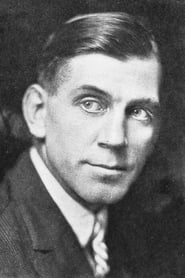
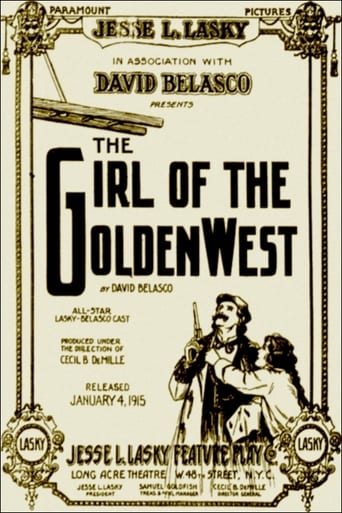
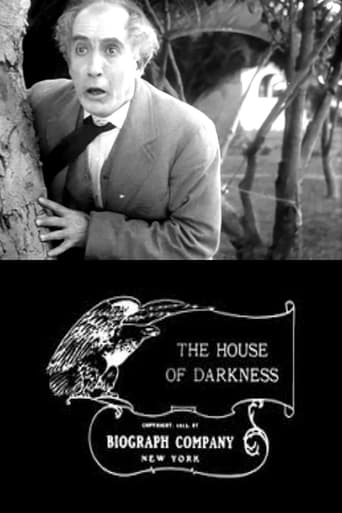
Supporting character actor active in the silent era, appearing in American films from at least 1913 through the mid-1910s. He is best remembered today for his work in several important early features associated with director Cecil B. DeMille and the formative years of feature-length American filmmaking, including The Mothering Heart, The House of Darkness, The Virginian, Carmen, and The Girl of the Golden West. Elmer worked at a time when screen acting was still evolving from stage-style presentation into the more restrained techniques demanded by close-up photography, and he was part of the large, often uncredited ensemble of reliable performers who helped establish the grammar of silent cinema. Because he was a supporting player rather than a marquee star, surviving biographical information is limited, and many standard personal details were not consistently recorded in studio-era references. His screen career appears to have been brief and concentrated in the silent period, with no widely documented transition into later sound-film stardom. Even with scant personal data, his filmography places him within a historically significant group of actors who contributed to some of the best-known productions of the early 1910s. He remains of interest to silent-film historians and database researchers for his appearances in landmark films of the Paramount/DeMille era.
The Craft
On Screen
No detailed contemporary criticism of William Elmer's performance style is readily documented in standard references. As a silent-era supporting actor, his work would have relied on expressive physicality, clear emotional signaling, and economical gesture suited to intertitles and close-up cinematography. His filmography suggests he was a dependable ensemble player capable of fitting into melodrama, westerns, and literary adaptations rather than a heavily stylized star performer.
Milestones
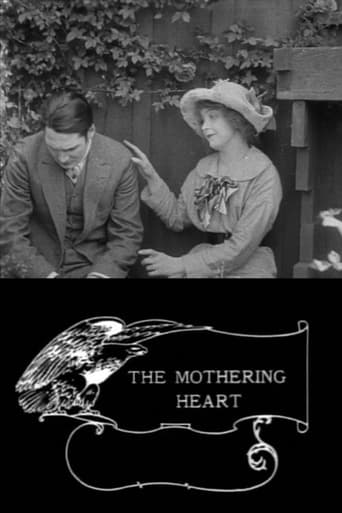
- Appeared in The Mothering Heart (1913), an early and important Cecil B. DeMille production
- Acted in The House of Darkness (1913), another notable early silent feature
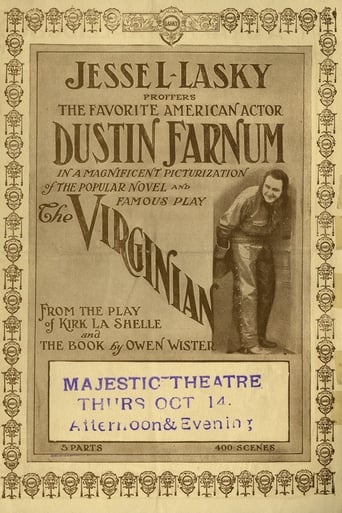
- Was part of the cast of The Virginian (1914), one of the landmark westerns of the silent era
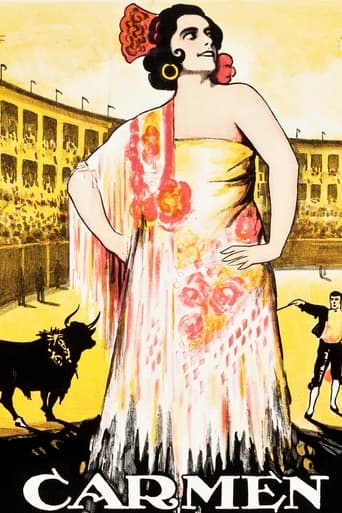
- Appeared in Carmen (1915), a prominent adaptation associated with the growth of feature-film prestige
- Appeared in The Girl of the Golden West (1915), continuing his association with major silent-era literary and stage adaptations
Best Known For
Must-See Films
Working Relationships
Worked Often With
Studios
Why They Matter
Impact on Culture
William Elmer's cultural impact lies less in individual celebrity than in his participation in some of the silent era's foundational feature films. Actors like Elmer were essential to the success of early cinema: they gave depth and credibility to productions that helped move American film from short subjects into more ambitious dramatic storytelling. His presence in titles such as The Virginian, Carmen, and The Girl of the Golden West places him within the early screen adaptation of popular literature and stage works that broadened the artistic and commercial ambitions of film. For modern viewers and researchers, Elmer represents the many capable supporting actors whose work made the era's landmark productions feel populated and believable.
Lasting Legacy
William Elmer's legacy is that of a silent-era character actor whose screen work survives primarily through film titles and cast lists rather than extensive biographical documentation. He is part of the historical fabric of early Hollywood, a period when thousands of performers contributed to the rapid professionalization of motion pictures. His appearances in several well-known 1913-1915 features ensure that his name remains attached to key milestones in the development of American feature filmmaking. In silent-film history, that kind of supporting presence is valuable because it helps scholars reconstruct the collaborative nature of early production culture.
Who They Inspired
There is no strong evidence that William Elmer directly influenced major later stars or directors in a documented, named way. His broader influence is indirect: by working in important early features, he contributed to the acting norms and ensemble practices that became standard in Hollywood. Supporting performers such as Elmer helped establish how minor roles could be played with clarity and visual economy in silent storytelling, a technique that carried forward into later film acting.
Off Screen
Reliable public information about William Elmer's personal life is extremely limited, which is common for many working actors of the silent period who were not major stars. Standard film histories and readily accessible reference sources do not consistently preserve details about his family background, marriage, children, or later life. As a result, there is no well-documented personal narrative comparable to those of the era's leading players. What can be stated with confidence is that he was active during the formative years of American feature filmmaking and worked in productions that are now historically important.
Did You Know?
- William Elmer is best identified today through his filmography rather than through extensive biographical records.
- He appears in several films connected with Cecil B. DeMille, one of silent Hollywood's most influential directors.
- His known active period is short, concentrated in the early 1910s.
- He worked during a pivotal transition when feature-length films were becoming more common in the United States.
- His surviving credits place him in important adaptations of western and melodramatic material.
- Because he was a supporting actor, many of his roles may not have been prominently William Elmer appeared in contemporary listings.
- He is of particular interest to silent-film researchers trying to reconstruct ensemble casts from the period.
- The titles associated with him are among the better-known works of early American cinema history.
Frequently Asked Questions
Who was William Elmer?
American silent-film with credits in this catalog. He appeared in several significant films of the era, including The Mothering Heart, The House of Darkness, The Virginian, Carmen, and The Girl of the Golden West.
What films is William Elmer best known for?
Titles linked here include The Mothering Heart (1913), The House of Darkness (1913).
When was William Elmer born and when did he die?
His exact birth and death dates are not readily documented in standard reference sources available for many silent-era supporting actors. Likewise, his birthplace and later life details remain unclear in the accessible historical record.
What awards did William Elmer win?
No individual awards or nominations are known to be documented for William Elmer. As a supporting actor from the silent era, his recognition comes primarily from his participation in important early films rather than from formal award records.
What was William Elmer's acting style?
No detailed critical description of his acting style survives in widely available sources. As a silent-era performer, his work would have depended on expressive movement, facial clarity, and physically readable performance suited to nonverbal storytelling.
What is William Elmer's legacy in film history?
His legacy is that of a working silent-era actor who contributed to landmark early American films and the professional ensemble culture of early Hollywood. Although not a major star, his credits connect him to a formative period in cinematic history.