

The Virginian
"A good-natured but chivalrous cowboy romances the local schoolmarm"
Keys: Space play/pause · ←/→ 10s · F fullscreen · M mute · </> speed
About this film
A good-natured but chivalrous cowboy romances the local schoolmarm and leads the posse that brings a gang of rustlers, which includes his best friend, to justice.
Cast & crew
More films like this
More Western films
View all →

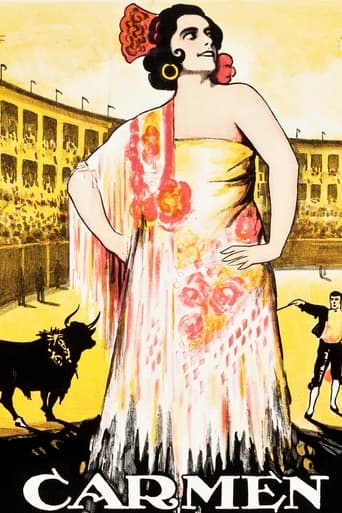
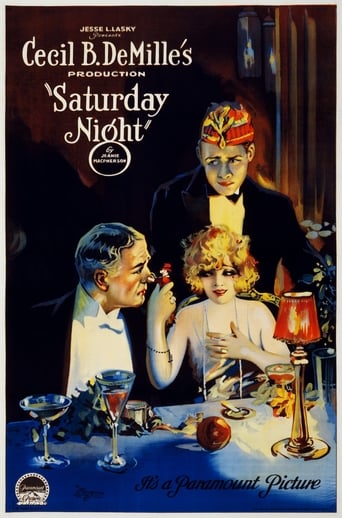
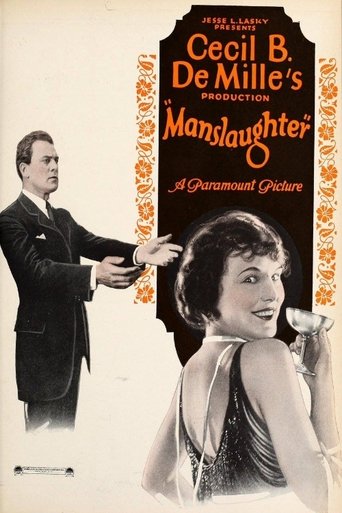
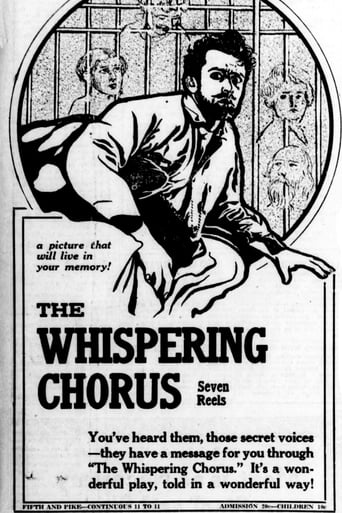
More from Cecil B. DeMille
View all →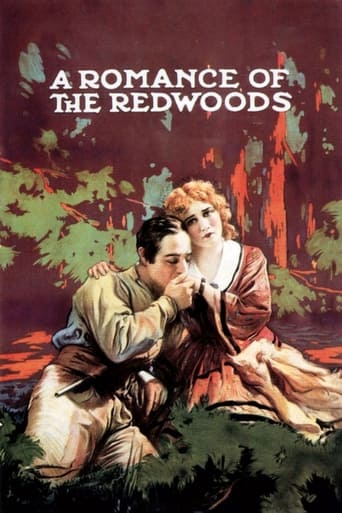
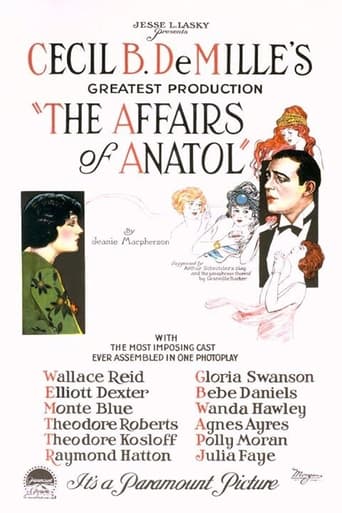
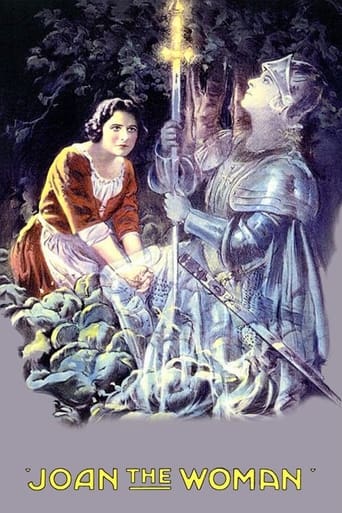
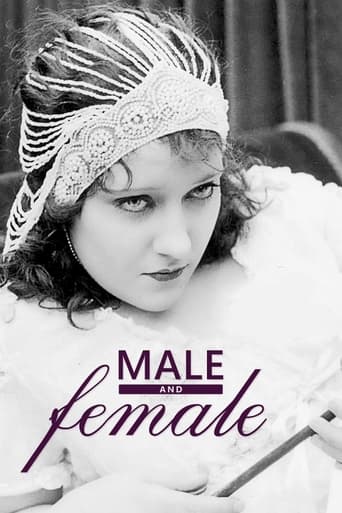
More about this film
About the production
Release dateAugust 30, 1914
Box officeSuccessful - reportedly earned over $100,000, making it one of DeMille's early hits
ProductionJesse L. Lasky Feature Play Company
Filmed inLos Angeles, California, San Fernando Valley, Sierra Nevada Mountains
This was Cecil B. DeMille's second feature film and the first feature-length western made in Hollywood. The production faced challenges with authentic western locations, as most filming had to be done relatively close to Los Angeles due to transportation limitations. The cattle rustling scenes required careful coordination with real cattle and horses, and the hanging sequence was particularly controversial for its realism.
Themes
Honor and dutyFriendship versus justiceCivilization versus wildernessThe code of the westMoral complexity
Themes & topics
cowboyschoolmarmcattle rustlinghangingfriendshipbetrayaljusticewesternposseromancemoral dilemmafrontierhonorrevenge
Historical background
Silent-era production in 1914 relied on intertitles, live accompaniment, and studio systems that were rapidly consolidating into national industries.
Why this film matters
Early works like The Virginian help map how filmmakers, exhibitors, and viewers developed the visual language of cinema during the medium's first decades. Later revivals, archive screenings, and digitization have kept such titles accessible to researchers and dedicated viewers long after their first commercial runs.
Making of
The production of 'The Virginian' was a landmark moment in early Hollywood history. Cecil B. DeMille, working with the Jesse L. Lasky Feature Play Company, saw the potential in adapting Wister's beloved western novel. Dustin Farnum, already a star from the Broadway version, was brought in to recreate his signature role. The filming took place during the summer of 1914 in various locations around Los Angeles, as the infrastructure for remote location shooting was still developing. DeMille insisted on authenticity, hiring real cowboys as extras and using genuine cattle for the rustling sequences. The most challenging scene was the hanging of Steve, which required careful staging to achieve realism while maintaining safety standards. The film was shot in a single reel format, which limited its length but made distribution easier across the growing network of movie theaters.
What critics said
Trade and newspaper reviews from the silent period for The Virginian survive only in fragments, making precise reception history difficult to reconstruct. Modern assessment tends to emphasize historical value, craft, and cultural context rather than box-office performance.
Did you know?
- This was the first of many film adaptations of Owen Wister's 1902 novel 'The Virginian,' which is considered the first true western novel
- Dustin Farnum reprised his role from the successful 1904 Broadway stage adaptation of the novel
- The film marked one of the earliest examples of the 'hanging from a horse' trope that would become a western staple
- Cecil B. DeMille originally wanted to cast a different actor as The Virginian but was convinced by Farnum's stage success
- The film's success helped establish the Lasky Company (later Paramount) as a major Hollywood studio
- Only fragments of the original film survive today, with complete copies considered lost
- The famous line 'When you call me that, smile!' originated in this novel and was included in the film
- The production used over 200 cattle and 50 horses, a massive undertaking for 1914
- This was one of the first films to depict the 'code of the west' as a central theme
- The film's success led to multiple remakes, including versions in 1929, 1946, and 2000
Visual style
The cinematography by Alvin Wyckoff utilized the natural landscapes of California to create an authentic western atmosphere. The film employed innovative location shooting techniques for the time, using the expansive western landscapes to enhance the epic scope of the story. Wyckoff made effective use of natural lighting in outdoor scenes, creating dramatic contrasts between the open prairie and shadowed canyons. The cattle rustling sequences featured dynamic camera movement that followed the action, a relatively advanced technique for 1914. The hanging scene was shot with careful attention to visual composition, using low angles to emphasize the gravity of the moment. The film also incorporated some early special effects techniques, particularly in scenes involving large herds of cattle.
Innovations
'The Virginian' showcased several technical achievements for its time. The film featured some of the earliest examples of large-scale outdoor location shooting in feature films, requiring the coordination of hundreds of animals and extras. The production utilized innovative camera techniques to capture the sweeping western landscapes, including early use of panning shots to follow cattle drives. The hanging sequence employed sophisticated special effects and camera angles to create a sense of height and gravity. The film also demonstrated advances in narrative structure, effectively balancing multiple storylines and character arcs within a relatively short runtime. The sound recording of cattle hooves and other ambient sounds, while not preserved, represented early efforts to create realistic audio environments for silent film presentations.
Music
As a silent film, 'The Virginian' would have been accompanied by live musical performances in theaters. The original score was likely compiled from popular classical pieces and western-themed melodies typical of the era. Theater orchestras would have used cue sheets provided by the studio to synchronize music with the on-screen action. For dramatic moments like the hanging scene, somber classical pieces would have been employed, while action sequences like cattle rustling would have featured more energetic, rhythmic music. The romantic scenes between The Virginian and Molly would have been accompanied by popular love songs of the period. Unfortunately, no original cue sheets or specific musical documentation for this film have survived.
Famous quotes
'When you call me that, smile!' - The Virginian to Trampas
'It's not the way of the West to be hasty, but it's the way to be sure.' - The Virginian
'A man's got to do what he's got to do.' - The Virginian
Memorable scenes
- The iconic hanging scene where The Virginian must participate in his friend Steve's execution, demonstrating the harsh justice of the frontier
- The cattle rustling sequence featuring hundreds of cattle and horses in a dramatic chase across the open range
- The romantic meeting between The Virginian and Molly Wood, establishing the cultural clash between east and west
- The final confrontation between The Virginian and Trampas, culminating in the famous 'smile when you call me that' line
What audiences thought
The film was a tremendous commercial success upon its release in 1914. Audiences were captivated by its authentic western setting, dramatic story, and the charismatic performance of Dustin Farnum. The film's themes of honor, justice, and romance resonated strongly with contemporary viewers, many of whom were familiar with Wister's original novel or Farnum's stage performance. The hanging sequence generated considerable discussion and controversy, with some viewers finding it disturbingly realistic while others praised its dramatic power. The film's popularity led to increased demand for western features and helped establish Dustin Farnum as one of the first true western movie stars. Contemporary newspaper accounts reported packed theaters and enthusiastic audience reactions across the country.
Film connections
Influenced by
- Owen Wister's 1902 novel 'The Virginian'
- Dustin Farnum's 1904 Broadway stage adaptation
- Earlier western short films by D.W. Griffith and others
- Contemporary dime novels about the west
- Traditional American frontier literature
This film influenced
- The Great Train Robbery (1903) - influenced earlier
- Stagecoach (1939)
- Red River (1948)
- High Noon (1952)
- The Searchers (1956)
- Unforgiven (1992)
- All subsequent western films dealing with codes of honor
Film restoration
The film is considered partially lost. Only fragments and short sequences survive, held by various film archives including the Library of Congress and the Museum of Modern Art. No complete copy of the original 50-minute feature is known to exist. The surviving elements have been preserved on safety film and digital formats, but the film remains incomplete. Some fragments were discovered in the 1970s in a collection of early American films, but they represent only a small portion of the original work. Film preservationists continue to search for missing elements in private collections and international archives.
Where to watch
- Due to its incomplete preservation status, the film is not commercially available. Surviving fragments can sometimes be viewed at film archives specializing in early cinema, including the Library of Congress, the Museum of Modern Art's film department, and the UCLA Film & Television Archive. Occasionally, film preservation organizations screen the surviving fragments during special events or retrospectives of early western films or Cecil B. DeMille's work. Some fragments may be accessible through academic film databases or specialized cinema history websites, but no complete version is available for public viewing.