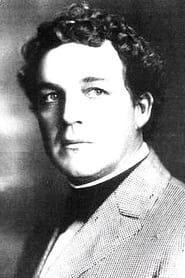
Horace B. Carpenter
Actor
Born: January 19, 1875 in Glens Falls, New York, USA Died: May 21, 1945 Active: 1914-1934
Films
7 films
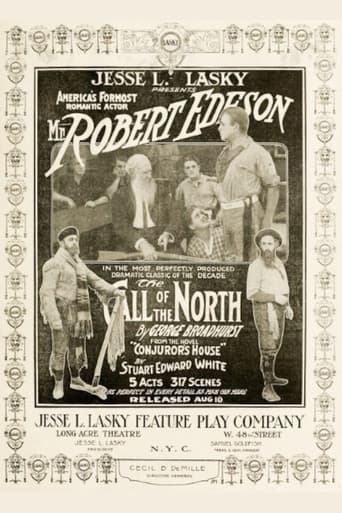
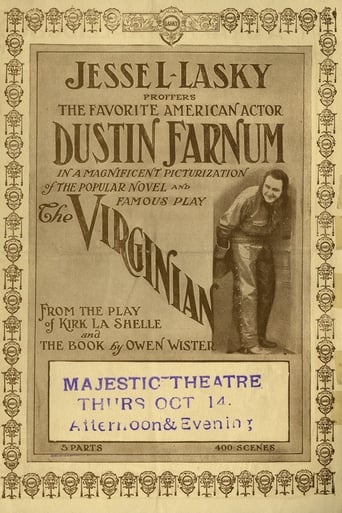
About Horace B. Carpenter
Prolific American character actor who enjoyed a remarkably long career spanning the silent era into the early sound period. Beginning his film work in 1914, he quickly established himself as a reliable supporting player, often cast as villains, authority figures, or weathered Western characters. Carpenter appeared in over 200 films during his two-decade career, working with some of the most prominent directors of the era including Cecil B. DeMille. His weathered features and commanding presence made him particularly effective in Westerns and historical epics. As the industry transitioned to sound, Carpenter successfully adapted his acting style and continued finding work in character roles throughout the early 1930s. His final film appearances came in the mid-1930s, marking the end of a career that had witnessed the entire evolution of early American cinema. Carpenter's extensive filmography represents a significant contribution to the foundation of Hollywood's golden age.
The Craft
On Screen
Carpenter was known for his naturalistic yet commanding screen presence, particularly effective in portraying weathered, authoritative characters. His acting style evolved from the broad, theatrical gestures common in early silent films to a more restrained, realistic approach as cinema matured. He excelled at creating memorable characters with minimal dialogue, using his distinctive features and expressive eyes to convey emotion and intent.
Milestones
- Film debut in The Call of the North (1914)
- Appeared in Cecil B. DeMille's The Virginian (1914)
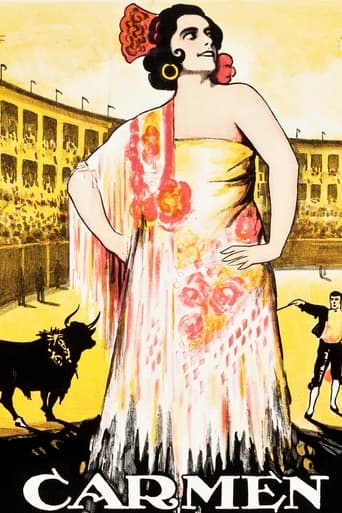
- Featured role in Carmen (1915) starring Geraldine Farrar
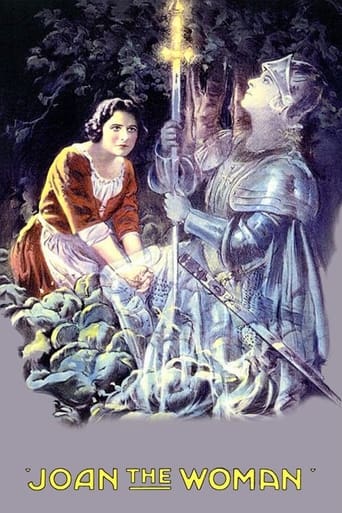
- Cast in DeMille's epic Joan the Woman (1916)
- Transitioned successfully to sound films in early 1930s
- Appeared in over 200 films during his career
Best Known For
Iconic Roles
Must-See Films
Working Relationships
Worked Often With
Studios
Why They Matter
Impact on Culture
Horace B. Carpenter represents the crucial foundation of character acting in early Hollywood cinema. His extensive body of work helped establish the archetype of the reliable supporting player who could bring depth and authenticity to any role. As one of the many working actors who populated the frames of silent and early sound films, Carpenter contributed to the American cinema's formative years. His ability to transition from silent to sound films demonstrated the adaptability required of actors during this revolutionary period in film history.
Lasting Legacy
Carpenter's legacy lies in his contribution to over 200 films that now serve as historical documents of early American cinema. While never achieving stardom, his consistent performances helped establish the importance of character actors in creating believable cinematic worlds. His work with directors like Cecil B. DeMille places him at the forefront of Hollywood's development into a global entertainment industry. Film historians and classic cinema enthusiasts recognize Carpenter as representative of the dedicated professionals who built the foundation of American film.
Who They Inspired
As a working character actor rather than a star, Carpenter's influence was primarily through the example he set for subsequent generations of supporting players. His longevity and adaptability demonstrated the career possibilities available to actors who specialized in character roles. His performances in early Westerns helped establish visual and character tropes that would influence the genre for decades to come.
Off Screen
Horace B. Carpenter maintained a relatively private personal life despite his extensive film career. He was married and had children, though details about his family life remain scarce in historical records. Like many character actors of his era, he focused primarily on his craft and did not seek the celebrity spotlight that came with stardom.
Education
Educational background not extensively documented in available sources
Family
- Elizabeth Carpenter (married until his death in 1945)
Did You Know?
- Appeared in over 200 films during his 20-year career
- Worked with director Cecil B. DeMille on multiple occasions
- Successfully made the transition from silent films to talkies
- Often typecast as villains or authority figures due to his stern appearance
- His active years covered the entire evolution from early silent shorts to feature sound films
- Part of the large community of character actors who were the backbone of early Hollywood
- Appeared in both historical epics and Westerns, showcasing his versatility
- His final film appearances came during the early sound era of the 1930s
- Represented the typical working actor of early cinema rather than the glamorous star
- His filmography includes many lost films from the silent era
In Their Own Words
No widely documented quotes from Horace B. Carpenter are available in historical records, as was common for character actors of his era who rarely gave interviews or sought publicity
Frequently Asked Questions
Who was Horace B. Carpenter?
Screen credits include over 200 films during the silent era and early sound period. He was known for playing villains, authority figures, and weathered Western characters, working with prominent directors like Cecil B. DeMille throughout his career from 1914 to 1934.
What films is Horace B. Carpenter best known for?
Titles linked here include The Virginian (1914), Carmen (1915).
When was Horace B. Carpenter born and when did he die?
Born January 19, 1875; died May 21, 1945.
What awards did Horace B. Carpenter win?
There are no documented awards or nominations for Horace B. Carpenter in historical records. Like many character actors of his era, he was a working professional who contributed to numerous films without receiving formal recognition from award organizations.
What was Horace B. Carpenter's acting style?
Carpenter was known for his naturalistic yet commanding screen presence, particularly effective in portraying weathered, authoritative characters. His style evolved from theatrical silent film techniques to more realistic performances in sound films, using his distinctive features to create memorable characters with minimal dialogue.