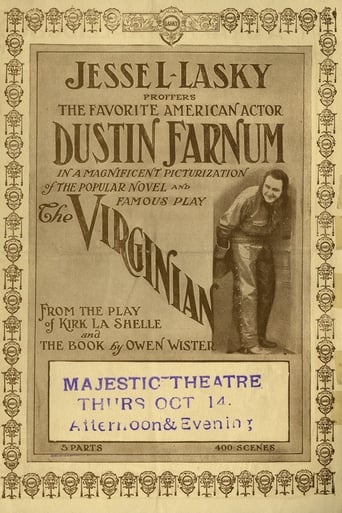
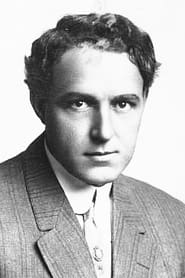
Dustin Farnum
Actor
Born: May 24, 1874 in La Grange, Kentucky, United States Died: July 3, 1929 Active: 1914-1925
Films
4 films
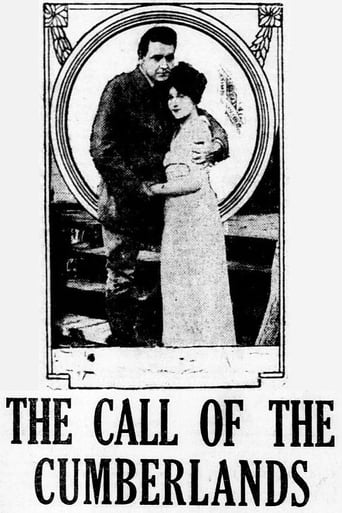
About Dustin Farnum
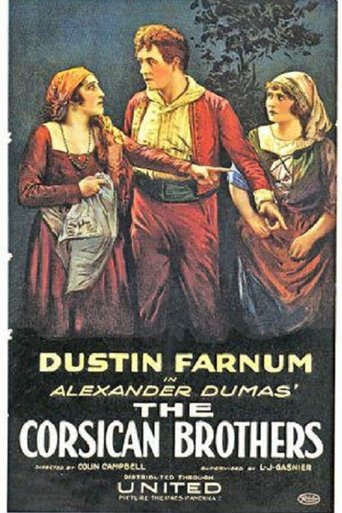
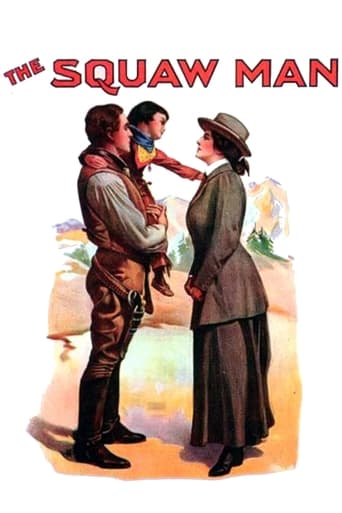
Towering figure of early American cinema who successfully transitioned from a celebrated stage career to become one of the first major film stars of the silent era. Born in 1874, Farnum began his entertainment career in vaudeville and theater, establishing himself as a prominent Broadway actor before the film industry's emergence. His breakthrough in cinema came with Cecil B. DeMille's directorial debut 'The Squaw Man' (1914), which became a massive success and helped launch both their careers. Farnum's imposing physical presence and commanding screen presence made him ideal for heroic and romantic leading roles, particularly in Westerns and adventure films. Throughout the 1910s, he starred in numerous successful productions, including 'The Virginian' (1914), which established him as a premier Western star, and adaptations of literary classics like 'The Corsican Brothers' (1920). Despite his enormous popularity and status as one of Hollywood's highest-paid actors during the mid-1910s, his film career waned in the 1920s as the industry evolved. Farnum returned to his theatrical roots and continued performing on stage until his death in 1929, leaving behind a legacy as one of the pioneers who helped establish the star system in early Hollywood.
The Craft
On Screen
Farnum was known for his grand, theatrical acting style typical of the silent era, characterized by sweeping gestures, expressive facial work, and a commanding physical presence. His stage background informed his film performances, which emphasized broad emotional expression and dramatic intensity to convey story without dialogue. He specialized in portraying noble, heroic characters with an air of romantic dignity and moral certainty, making him particularly effective in Westerns and historical dramas.
Milestones
- Starred in Cecil B. DeMille's directorial debut 'The Squaw Man' (1914)
- Portrayed the title role in 'The Virginian' (1914), one of the first major Western films
- Became one of the highest-paid actors in Hollywood by 1915
- Successfully transitioned from Broadway star to film star
- Headlined numerous adaptations of popular novels and plays
Best Known For
Iconic Roles
Must-See Films
Accolades
Special Recognition
- Star on the Hollywood Walk of Fame for Motion Pictures
Working Relationships
Worked Often With
Studios
Why They Matter
Impact on Culture
Dustin Farnum played a significant role in establishing the star system in early Hollywood and was instrumental in legitimizing film acting as a respectable career for stage actors. His successful transition from Broadway to cinema helped bridge the gap between legitimate theater and the emerging film industry, encouraging other established stage actors to consider film work. Farnum's popularity in Westerns helped establish the genre as commercially viable and artistically respectable in American cinema.
Lasting Legacy
Dustin Farnum is remembered as one of the leading men of American cinema who helped establish the archetype of the heroic Western protagonist. His work in early adaptations of literary classics demonstrated film's potential for serious artistic expression beyond simple entertainment. Though his films are rarely viewed today, Farnum's influence can be seen in the development of the romantic leading man archetype and the establishment of the star system that would dominate Hollywood for decades.
Who They Inspired
Farnum influenced subsequent generations of Western stars through his portrayal of the noble, stoic cowboy hero. His success proved that established stage actors could find fame and fortune in cinema, paving the way for other theatrical performers to make the transition to film. His approach to heroic characterization helped establish conventions that would be refined by later stars like Gary Cooper and John Wayne.
Off Screen
Dustin Farnum was married three times and had one child who followed in his theatrical footsteps. His personal life was marked by his dedication to the entertainment industry and his family's involvement in show business. He maintained homes in both Hollywood and New York, reflecting his dual career in film and theater. Farnum was known for his professionalism and was well-respected among his peers for his work ethic and dedication to his craft.
Education
Limited formal education, trained in theater through practical experience in vaudeville and stock companies
Family
- Mabel Eaton (1900-1903)
- Adelaide M. Del Rio (1904-1914)
- Winifred Kingston (1915-1929)
Did You Know?
- Was one of the highest-paid actors in Hollywood by 1915, earning $2,500 per week
- Stood 6'2" tall, an impressive height for his era that contributed to his commanding screen presence
- His son Dustin Farnum Jr. Appeared in films with him, including 'The Corsican Brothers' (1920)
- Was originally named William Dustin Farnum but dropped 'William' professionally
- Began his career as a song-and-dance man in vaudeville before moving to serious drama
- Was a skilled horseman, which contributed to his success in Western films
- His third wife Winifred Kingston frequently co-starred with him in films
- was the first feature film shot in Hollywood
- Returned to Broadway in the 1920s when his film career declined
- Was a Freemason and belonged to several Masonic lodges
In Their Own Words
The stage is my first love, but the camera has given me a new way to reach the hearts of the people
A man's word should be as good as his bond, whether in life or on the screen
In pictures, as in life, the truth will always find its way to the surface
Frequently Asked Questions
Who was Dustin Farnum?
Prominent American with credits in this catalog. He was particularly known for his roles in Westerns and adventure films, starring in early classics like 'The Virginian' (1914) and 'The Squaw Man' (1914).
What films is Dustin Farnum best known for?
Titles linked here include The Virginian (1914), The Squaw Man (1914).
When was Dustin Farnum born and when did he die?
Born May 24, 1874; died July 3, 1929.
What awards did Dustin Farnum win?
While Dustin Farnum did not receive Academy Awards during his career (the awards were established after his peak film years), he was honored with a star on the Hollywood Walk of Fame for his contributions to motion pictures. His greatest recognition came from his status as one of Hollywood's highest-paid and most popular stars during the 1910s.
What was Dustin Farnum's acting style?
Dustin Farnum's acting style was characterized by grand, theatrical gestures and dramatic intensity typical of the silent era, influenced by his extensive stage background. He specialized in portraying noble, heroic characters with commanding presence, making him particularly effective in Westerns and romantic dramas where his expressive physicality could convey emotion without dialogue.