
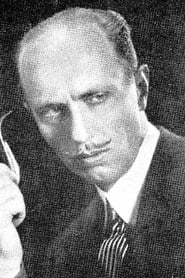
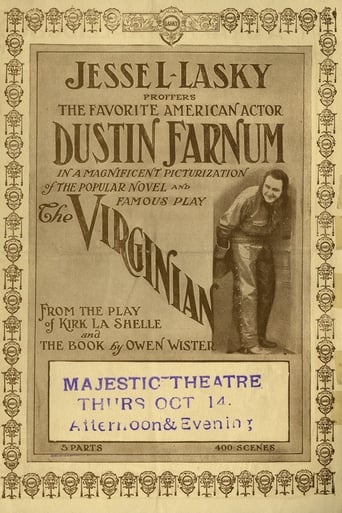
The Squaw Man
"blamed — honor"
Keys: Space play/pause · ←/→ 10s · F fullscreen · M mute · </> speed
About this film
Moments after silent era life, blamed for the theft of an orphans fund, Captain James Wynnegate flees to the West where he makes a new life with the Indian woman Nat-U-Rich.
Cast & crew
More films like this
More Drama films
View all →







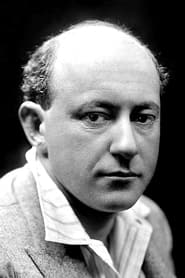
More from Cecil B. DeMille
View all →
More about this film
About the production
Release dateFebruary 15, 1914
Budget$15,000 - $20,000
Box office$250,000+ (remarkable success for its time)
ProductionJesse L. Lasky Feature Play Company
Filmed inHollywood, California (filmed in a barn at Selma and Vine Streets)
The film was shot in a rented barn that served as both studio and living quarters for the cast and crew. This barn would later become known as the Lasky-DeMille barn and is now preserved as a historic site. The production faced numerous challenges including limited space, primitive equipment, and DeMille's inexperience as a director. Despite these obstacles, the film was completed in just three weeks.
Themes
Honor and personal sacrificeCultural conflict and assimilationRedemption and moral responsibilityThe clash between civilization and wildernessThe price of truth and deception
Themes & topics
WesternInterracial marriageWrongful accusationSelf-sacrificeFrontier lifeBritish aristocratNative AmericanOrphan fundFamily honorTragedyRedemptionCultural assimilation
Historical background
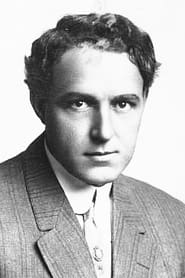
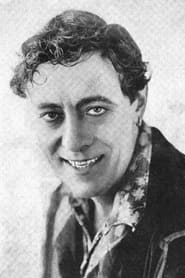
By 1914, cinema had matured into a mass medium; The Squaw Man reflects the tastes and anxieties of that silent era moment. DeMille and Oscar C. Apfel, and starring Dustin Farnum.
Why this film matters
Archivists and historians cite The Squaw Man when discussing the evolution of screen storytelling in the silent era. The Squaw Man (known as The White Man in the United Kingdom) is a 1914 American silent Western film directed by Cecil B.
Making of
The production of 'The Squaw Man' was born out of desperation and innovation. The Jesse L. Lasky Feature Play Company, formed by Jesse Lasky, Cecil B. DeMille, and Samuel Goldwyn (then Goldfish), was struggling financially. They decided to move their production from New York to California to take advantage of better weather and avoid Thomas Edison's film patents on the East Coast. They rented a barn at the corner of Selma and Vine streets in Hollywood for $75 a month, using it as both studio and living quarters. DeMille, who had never directed a film before, took over when co-director Oscar Apfel became ill. The cast and crew lived and worked in primitive conditions, often sleeping in the barn between takes. Despite these challenges, or perhaps because of them, the film developed a raw energy and authenticity that resonated with audiences. The production's success transformed Hollywood from a sleepy suburb into the entertainment capital of the world.
What critics said
Contemporary notices praised The Squaw Man for meeting audience expectations of the silent era; today it is studied as part of the period canon.
Did you know?
- This was Cecil B. DeMille's directorial debut, launching one of cinema's most careers
- Widely considered the first feature-length film made in Hollywood, establishing the area as the center of American film production
- The film was shot in a rented barn that would later become the famous Lasky-DeMille barn, now a Hollywood historic landmark
- DeMille remade this film twice: in 1918 (also a silent film) and 1931 (with sound)
- The original 1914 version was considered lost for decades until a print was discovered in 1975 in a film archive
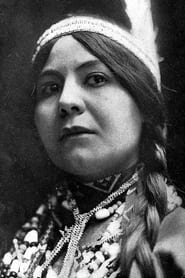
- The Native American lead was played by Red Wing (Lillian St. Cyr), an actual Winnebago tribe member, not Winifred Kingston as often mistakenly credited
- The film was adapted from a popular 1905 stage play by Edwin Milton Royle that had run for 222 performances on Broadway
- DeMille initially didn't want to direct, preferring to produce, but took on the role when Oscar Apfel fell ill
- The film's massive success helped establish the feature film format as commercially viable
- The title 'The Squaw Man' is now considered offensive and dated, reflecting the racial attitudes of the early 20th century
Visual style
The cinematography, credited to Alfred Gandolfi and H. Lyman Broening, was accomplished under challenging conditions within the confines of a barn studio. Despite these limitations, the filmmakers employed innovative techniques including mobile camera movements and creative lighting to enhance the dramatic impact. The outdoor scenes, shot on location in the Hollywood hills, took advantage of natural California sunlight to create striking visual contrasts between the civilized English settings and the rugged American West. The film used innovative editing techniques for its time, including cross-cutting between parallel actions to build suspense. The visual style established many conventions of the Western genre, including sweeping landscape shots and dramatic compositions that emphasized the isolation and majesty of the frontier setting.
Innovations
Despite its modest budget and primitive conditions, 'The Squaw Man' achieved several technical milestones. The film demonstrated the viability of feature-length narratives in an era dominated by short films. The production team developed innovative lighting techniques to compensate for filming in a dark barn, using reflectors and creative window placement to maximize natural light. The film's editing was advanced for its time, employing sophisticated cross-cutting and narrative continuity that helped establish cinematic language. The production also pioneered location shooting in Hollywood, taking advantage of the diverse California landscape to represent both England and the American West. The film's success in creating a believable and immersive world within these technical constraints influenced subsequent productions and helped establish standards for feature filmmaking.
Music
As a silent film, 'The Squaw Man' was originally accompanied by live musical performances in theaters. The typical score would have been provided by a house pianist or small orchestra, playing popular and classical pieces appropriate to the on-screen action. Music publishers often produced cue sheets specifically for major films, suggesting appropriate pieces for different scenes. While no original score survives, contemporary accounts indicate that the emotional scenes were accompanied by dramatic classical pieces, while the Western sequences featured more rustic, American-themed music. The film's success led to published piano arrangements inspired by its themes, allowing amateur musicians to recreate the cinematic experience at home. Modern screenings typically feature newly composed scores that attempt to capture the spirit of the original era while acknowledging contemporary sensibilities.
Famous quotes
I have taken the blame that my honor might be saved, though my name be lost.
In the wilderness, a man finds his true self.
Love knows no color, no race, no station.
Sometimes the greatest sacrifice is letting go.
The West changes a man, or breaks him.
Memorable scenes
- The opening scene in England where Captain Wynnegate nobly takes the blame for his cousin's crime, establishing the theme of honor that drives the entire narrative
- Wynnegate's first encounter with Nat-U-Rich in the American West, representing the meeting of two worlds
- The marriage ceremony between Wynnegate and Nat-U-Rich, controversial for its time in depicting an interracial union
- The dramatic confrontation when Diana arrives from England with the truth about the embezzlement
- Nat-U-Rich's tragic suicide scene, where she sacrifices herself so her husband can return to England with their son, representing the film's ultimate statement on love and sacrifice
What audiences thought
Audiences in 1914 embraced 'The Squaw Man' with extraordinary enthusiasm. The film was a box office sensation, reportedly earning more than ten times its production cost. Moviegoers were drawn to its emotional story, exotic Western setting, and moral complexity. The film's success proved that audiences would sit through longer narratives, encouraging studios to invest in more ambitious productions. Contemporary accounts describe audiences being moved to tears by the film's tragic elements. The film's popularity extended beyond the United States, finding success in international markets as well. Its enduring appeal is evidenced by DeMille's decision to remake it twice, suggesting that the story continued to resonate with audiences across different eras. Modern audiences, primarily film enthusiasts and historians, appreciate it as a fascinating window into early 20th-century cinema and sensibilities.
Film connections
Influenced by
- Edwin Milton Royle's 1905 stage play 'The Squaw Man'
- Contemporary Western literature
- Shakespearean tragedy traditions
- 19th-century melodrama conventions
- American frontier mythology
- British class system narratives
This film influenced
- DeMille's 1918 and 1931 remakes of 'The Squaw Man'
- Numerous Hollywood Westerns of the 1920s and 1930s
- Films exploring interracial relationships
- The Hollywood feature film format
- DeMille's subsequent epics including 'The Ten Commandments' and 'The Greatest Show on Earth'
Film restoration
The 1914 version of 'The Squaw Man' was considered lost for many decades until a print was discovered in 1975 in the film archive of the former Czechoslovakia. This remarkable find has since been preserved by the George Eastman Museum and other film archives. The surviving version is not complete but represents most of the original film. Both of DeMille's remakes (1918 and 1931) survive in various archives. The film has been restored and is available for scholarly study and public exhibition, representing among the pivotal rediscoveries of early American cinema. The original Lasky-DeMille barn where it was filmed has been preserved and moved to the Hollywood Heritage Museum, serving as a tangible link to this landmark production.
Where to watch
- Available on DVD from various classic film distributors
- Streaming on The Criterion Channel and other specialty film services
- Viewable at film archives and museums including the George Eastman Museum
- Occasionally screened at classic film festivals and cinematheques
- Accessible through educational film libraries and university collections