Films
1 film
About Haidee Fuller
American actress who worked briefly during the silent film era in the early 1910s. Her only known film appearance was in Cecil B. DeMille's 1914 western 'The Squaw Man,' which is historically significant as the first feature film produced in Hollywood. Fuller was one of many supporting players in this ambitious production that helped establish Hollywood as the center of American filmmaking. Her career appears to have been extremely brief, spanning only the year 1914, which was not uncommon for many early film actors who either left the industry or failed to secure further roles. Like many actors from this very early period of cinema, detailed documentation of her life and career is scarce, reflecting the transitional nature of the film industry at the time and the lack of comprehensive record-keeping for supporting players. Her contribution to film history, while small, is part of the foundation of Hollywood's golden age.
The Craft
Milestones
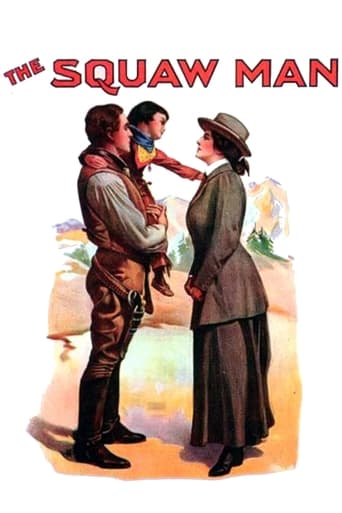
- Appeared in 'The Squaw Man' (1914), the first feature film made in Hollywood
Best Known For
Must-See Films
Working Relationships
Studios
Why They Matter
Impact on Culture
Haidee Fuller's cultural impact is primarily through her participation in 'The Squaw Man' (1914), a film that marked a pivotal moment in cinema history as the first feature-length film produced in Hollywood. This film helped establish Hollywood as the entertainment capital of the world and demonstrated the commercial viability of feature films in the American market. While Fuller herself was not a major star, her contribution as part of the cast represents the collective effort of the many actors, crew members, and pioneers who helped build the foundation of the American film industry during its formative years.
Lasting Legacy
Haidee Fuller's legacy is that of a representative figure from the very early days of Hollywood - one of the many actors who participated in the industry's foundational years but whose careers were brief. Her appearance in 'The Squaw Man' connects her to. While she did not achieve lasting fame, she is part of the historical record of Hollywood's beginnings, representing the countless performers who contributed to the development of cinema as an art form and industry during its nascent stage.
Who They Inspired
Given the brevity of her career and her status as a supporting player in only one known film, Haidee Fuller does not appear to have had a significant influence on other actors or directors. Her influence is primarily historical, serving as an example of the many performers who worked during the transitional period when cinema was establishing itself as a major cultural force.
Off Screen
Very little is documented about Haidee Fuller's personal life, which was typical for many supporting actors of the early silent era whose careers were brief and who did not achieve star status.
Did You Know?
- The Squaw Man (1914) was directed by Cecil B. DeMille and was his directorial debut
- The film was originally shot in a barn in Hollywood that later became the Famous Players-Lasky studio
- The Squaw Man was remade three times by DeMille himself in 1918, 1931, and 1940
- The 1914 version is now considered a lost film, with only fragments surviving
- The film's success helped establish Hollywood as the center of American film production
- Fuller was one of dozens of actors in the cast, most of whom did not have long film careers
Frequently Asked Questions
Who was Haidee Fuller?
American actress who appeared briefly during the silent film era, known primarily for her role in the 1914 film 'The Squaw Man,' which was the first feature film produced in Hollywood.
What films is Haidee Fuller best known for?
Titles linked here include The Squaw Man (1914).
When was Haidee Fuller born and when did she die?
Unfortunately, specific birth and death dates for Haidee Fuller are not documented in historical records, which was common for many early film actors who had brief careers.
What awards did Haidee Fuller win?
Haidee Fuller did not receive any known awards or nominations, as she worked during the very early days of cinema before formal award systems like the Academy Awards were established.
What was Haidee Fuller's acting style?
Due to the loss of 'The Squaw Man' and the brevity of her career, there is insufficient documentation to describe Haidee Fuller's specific acting style or techniques.
Why is Haidee Fuller historically significant?
While not a major star, Haidee Fuller is historically significant for her participation in 'The Squaw Man,' a groundbreaking film that helped establish Hollywood as the center of American cinema and proved the commercial viability of feature films.