Lilian St. Cyr
Actor
Born: February 14, 1884 in Nebraska, United States Died: March 28, 1943 Active: 1910-1914 Birth Name: Lilian M. St. Cyr
Films
3 films
About Lilian St. Cyr
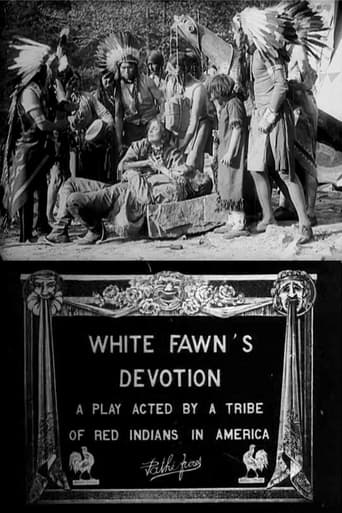
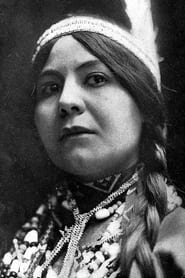
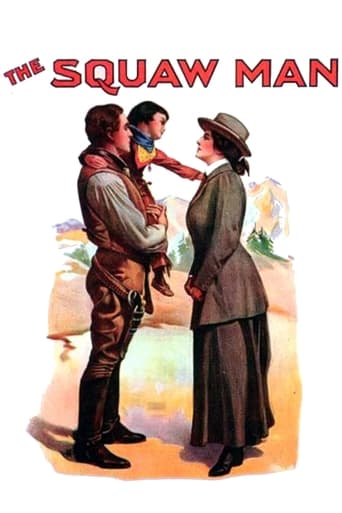
Lilian St. Cyr, also known by her stage name Princess Red Wing, was a Native American actress who broke barriers in early American cinema during the silent film era. Born into the Winnebago (Ho-Chunk) Nation, she began her film career in 1910 with James Young Deer's film 'White Fawn's Devotion,' which is considered one of the first films directed by a Native American. St. Cyr quickly became prominent Indigenous performers in Hollywood, often portraying Native American characters with authenticity and dignity at a time when most such roles were filled by white actors in redface. Her most notable role came in 1914 when she starred in Cecil B. DeMille's first feature film 'The Squaw Man,' a landmark production that helped establish Hollywood as the center of American filmmaking. Despite her brief but impactful career spanning roughly 1910 to 1914, she paved the way for future Native American performers in cinema. St. Cyr worked alongside her husband, filmmaker James Young Deer, who was also of Native American descent, and together they sought to present more authentic representations of Indigenous life on screen. Her career, though short-lived due to the limited opportunities for Native performers in early Hollywood, on film history as one of the first Indigenous women to achieve recognition in American cinema.
The Craft
On Screen
St. Cyr's acting style was characterized by naturalistic and dignified portrayals of Native American characters, which was revolutionary for its time when most Indigenous roles were caricatured by white actors. She brought authenticity and emotional depth to her performances, drawing from her own cultural heritage to create more realistic representations of Native women on screen. Her silent film performances relied heavily on facial expressions and body language, which she used to convey complex emotions and cultural nuances that challenged the prevailing stereotypes of the era.
Milestones
- Starred in 'White Fawn's Devotion' (1910), one of the first films directed by a Native American
- Appeared in Cecil B. DeMille's first feature film 'The Squaw Man' (1914)
- Pioneered authentic Native American representation in early Hollywood
- Worked frequently with husband and fellow Native American filmmaker James Young Deer
- Helped establish the precedent for Indigenous performers in American cinema
Best Known For
Iconic Roles
Must-See Films
Accolades
Special Recognition
- Recognized as one of the Native American actresses in early cinema
- Posthumously acknowledged by film historians for breaking racial barriers in Hollywood
Working Relationships
Worked Often With
Studios
Why They Matter
Impact on Culture
Lilian St. Cyr's cultural impact extends far beyond her brief film career, as she represented one of the first authentic Native American voices in American cinema. At a time when Hollywood routinely cast white actors in redface for Indigenous roles, St. Cyr's presence on screen provided a rare glimpse of genuine Native American representation. Her work helped challenge the prevailing stereotypes and caricatures that dominated early American film portrayals of Indigenous peoples. By bringing cultural authenticity and dignity to her roles, she set a precedent for future Native American performers and contributed to the gradual evolution of more respectful representation in media. Her collaboration with James Young Deer created one of the earliest examples of Native American creative control in filmmaking, demonstrating the importance of Indigenous voices behind as well as in front of the camera.
Lasting Legacy
Lilian St. Cyr's legacy as a Native American actress continues to be recognized by film historians and scholars studying the representation of Indigenous peoples in cinema. She is remembered as one of the first Native American women to achieve prominence in Hollywood during the silent film era, paving the way for future generations of Indigenous performers. Her work in films like 'White Fawn's Devotion' and 'The Squaw Man' represents an important milestone in the history of Native American representation in media. Modern film scholars and Indigenous media activists frequently cite her as an early example of authentic Native American presence in American cinema. Her story serves as an important reminder of the contributions made by Native American artists during the foundational years of Hollywood, contributions that were often overlooked or marginalized in traditional film histories.
Who They Inspired
St. Cyr influenced subsequent generations of Native American actors and filmmakers by demonstrating that Indigenous performers could succeed in Hollywood while maintaining their cultural integrity. Her authentic portrayals provided an alternative to the stereotypical depictions that dominated early cinema, showing that Native American characters could be portrayed with depth and dignity. While her direct influence on individual performers is difficult to trace due to the limited documentation of early Native American cinema, her work created opportunities and set precedents that benefited future Indigenous artists in the film industry. Modern Native American filmmakers and actors often acknowledge the importance of early pioneers like St. Cyr in creating the foundation for their own careers.
Off Screen
Lilian St. Cyr was married to James Young Deer, a prominent Native American filmmaker and actor who was also of Winnebago and mixed European heritage. Their marriage was both personal and professional, as they collaborated on numerous film projects during the early 1910s. The couple was part of a small but significant community of Native American artists in early Hollywood who sought to counteract the misrepresentation of Indigenous peoples in American media. After her film career ended, St. Cyr largely withdrew from public life, and details about her later years remain scarce. She spent her final years away from the spotlight, passing away in 1943 at the age of 59.
Education
Limited information available about her formal education, though she would have received traditional Winnebago cultural education in addition to any Western schooling
Family
- James Young Deer (1910-1918)
Did You Know?
- She was also known by the stage name 'Princess Red Wing'
- Her film 'White Fawn's Devotion' (1910) was selected for preservation in the National Film Registry in 2008
- She was of Winnebago (Ho-Chunk) descent
- Her husband James Young Deer was one of the first Native American film directors
- The Squaw Man (1914) was Cecil B. DeMille's directorial debut and first feature film
- She was part of a small group of Native American performers in early Hollywood who sought authentic representation
- Her career coincided with the early years of Hollywood's establishment as the film capital of America
- Despite her success, opportunities for Native American actors remained extremely limited during her era
- Her performances were noted for their naturalism compared to the exaggerated acting style common in silent films
- She worked during a time when most Native American roles were played by white actors in makeup
In Their Own Words
While specific quotes from Lilian St. Cyr are scarce due to the limited documentation of early silent film actors, her legacy speaks through her work in authentic Native American representation in cinema
Frequently Asked Questions
Who was Lilian St. Cyr?
Native American actress of Winnebago descent who became one of the first Indigenous performers in American cinema during the silent film era. She is best known for her roles in 'White Fawn's Devotion' (1910) and 'The Squaw Man' (1914), and for bringing authentic representation of Native American characters to early Hollywood films.
What films is Lilian St. Cyr best known for?
Titles linked here include White Fawn's Devotion (1910), The Squaw Man (1914).
When was Lilian St. Cyr born and when did she die?
Born February 14, 1884; died March 28, 1943.
What awards did Lilian St. Cyr win?
During her lifetime, Lilian St. Cyr did not receive formal awards or nominations, as the early silent film era lacked the structured award systems that would later become common in Hollywood. However, she has been posthumously recognized by film historians as a figure in Native American cinema.
What was Lilian St. Cyr's acting style?
Lilian St. Cyr's acting style was characterized by naturalistic and dignified portrayals that brought authenticity to Native American roles at a time when such characters were typically caricatured by white actors. Her performances relied on subtle facial expressions and body language to convey emotional depth and cultural nuance.
How did Lilian St. Cyr impact Native American representation in film?
Lilian St. Cyr broke significant barriers by being one of the first Native American actresses to portray Indigenous characters authentically in American cinema. Her work challenged the prevailing practice of casting white actors in redface and helped pave the way for future generations of Native American performers in Hollywood.
Was Lilian St. Cyr married to another filmmaker?
Yes, Lilian St. Cyr was married to James Young Deer, who was also a prominent Native American filmmaker and actor. The couple collaborated on numerous film projects during the early 1910s, working together to create more authentic representations of Native American life and culture on screen.