Films
1 film
About Foster Knox
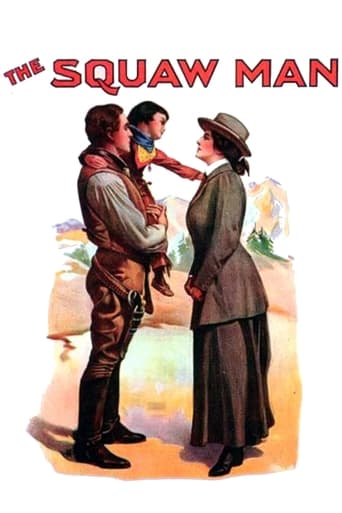
American actor who had a brief career during the early days of Hollywood cinema, appearing exclusively in 1914. His most notable work was in the landmark film 'The Squaw Man' (1914), which is historically significant as the first feature-length film produced in Hollywood. The film, directed by Cecil B. DeMille and Oscar Apfel, was a Western drama that helped establish Hollywood as a major film production center. Knox's role in this production places him among the early actors who participated in the birth of the Hollywood film industry. Unfortunately, like many actors from this transitional period in cinema history, detailed records of his life and career are scarce. His filmography appears to be limited to this single production, suggesting he may have been a bit player or extra who did not pursue a long-term acting career. The lack of extensive documentation about Foster Knox is typical of many supporting actors from the silent era whose contributions were significant but largely undocumented.
The Craft
Milestones
- Appeared in 'The Squaw Man' (1914), the first feature-length film made in Hollywood
Best Known For
Must-See Films
Working Relationships
Worked Often With
Studios
Why They Matter
Impact on Culture
Foster Knox's cultural impact, while limited in scope, is tied to his participation in. 'The Squaw Man' (1914) marked a pivotal moment in American cinema as the first feature-length film produced in Hollywood, effectively establishing the area as the center of the American film industry. By being part of this groundbreaking production, Knox contributed to the foundation of what would become the Hollywood studio system. Though his role was likely minor, he represents the countless actors who helped build the early film industry during its formative years. His participation in this historic film places him among the pioneers who witnessed and contributed to the birth of Hollywood as the global capital of cinema.
Lasting Legacy
Foster Knox's legacy is primarily historical rather than artistic, as he represents the early generation of actors who worked during the foundational period of Hollywood cinema. His appearance in 'The Squaw Man' ensures his place in film history books, even if his personal contributions were minimal. He exemplifies the transient nature of early film careers, where many actors appeared in one or two productions before disappearing from the industry records. While his name may not be recognized by film enthusiasts today, his connection to this landmark film makes him part of the origin story of Hollywood. The scarcity of information about him also serves as a reminder of how many early film contributors have been lost to history, their stories untold despite their role in building one of the world's most influential cultural industries.
Who They Inspired
Given Foster Knox's brief career and limited filmography, there is no documented evidence of his influence on other actors or filmmakers. His influence is primarily historical, serving as an example of the many anonymous contributors who helped establish the early Hollywood film industry. His participation in 'The Squaw Man' places him within the circle of actors who worked under Cecil B. DeMille during his directorial debut, but there's no record of him mentoring others or significantly impacting the craft of acting during his brief time in the industry.
Off Screen
Very little information is available about the personal life of Foster Knox, as was common for many supporting actors from the early silent film era whose careers were brief and whose contributions to cinema were not extensively documented.
Did You Know?
- Foster Knox appeared in 'The Squaw Man' (1914), which is historically recognized as the first feature-length film made in Hollywood
- The film he appeared in was directed by Cecil B. DeMille in his directorial debut
- His entire known film career spans only the year 1914
- 'The Squaw Man' was produced by the Jesse L. Lasky Feature Play Company, which later became Paramount Pictures
- The film was so successful that it was remade three times by DeMille: in 1918, 1931, and 1940
- Like many early film actors, Knox's personal details and life story remain largely undocumented
- His career represents the transient nature of many early Hollywood actors who appeared in films but did not achieve lasting fame
Frequently Asked Questions
Who was Foster Knox?
Screen credits include 1914's 'The Squaw Man,' the first feature-length film produced in Hollywood. His career was extremely brief, spanning only that single year, making him one of the many early actors who contributed to the birth of Hollywood but did not achieve lasting fame.
What films is Foster Knox best known for?
Titles linked here include The Squaw Man (1914).
When was Foster Knox born and when did he die?
Unfortunately, specific birth and death dates for Foster Knox are not available in historical records, which is common for many supporting actors from the early silent film era whose personal details were not extensively documented.
What awards did Foster Knox win?
Foster Knox did not receive any known awards or nominations during his brief acting career in 1914, as the major film award systems, including the Academy Awards, were not established until many years later.
What was Foster Knox's acting style?
There is no documented information about Foster Knox's specific acting style or technique, as he appeared in only one film and was likely a minor character or extra. His contribution was part of the broader silent film acting tradition of the early 1910s.
Why is Foster Knox historically significant?
Foster Knox is historically significant primarily because of his participation in 'The Squaw Man' (1914), the first feature film made in Hollywood. Though his role was likely minor, he was present at the birth of Hollywood as the center of American cinema, making him part of film history despite his obscurity.