Films
3 films
About Richard L'Estrange
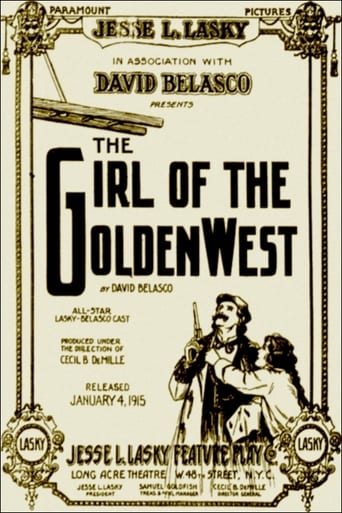
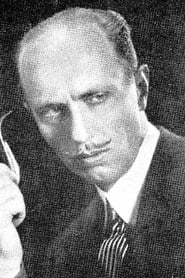
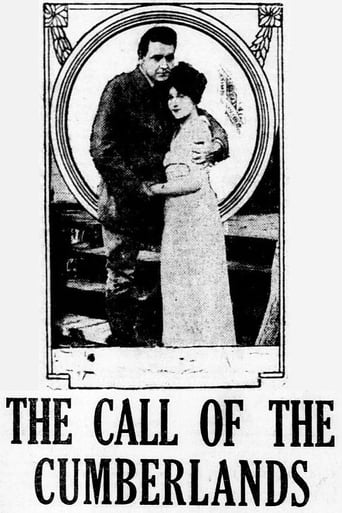
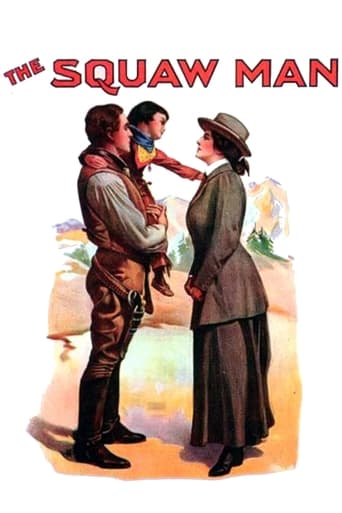
Character actor during the early silent film era, appearing in several notable productions between 1914 and 1916. His career, though brief, coincided with the formative years of Hollywood cinema, and he worked on some of the most significant films of that period. Richard appears in Cecil B. DeMille's 'The Squaw Man' (1914), which holds the distinction of being the first feature film produced in Hollywood. L'Estrange continued his acting career with roles in 'The Girl of the Golden West' (1915) and 'The Call of the Cumberlands' (1916), demonstrating versatility in the Western genre that was popular during that era. His filmography, while limited in scope, places him among the actors who helped establish the foundation of American cinema. Like many actors of his generation, his career appears to have ended with the transition from short films to feature-length productions and the evolving demands of the rapidly growing film industry.
The Craft
On Screen
As a silent era actor, Richard L'Estrange employed exaggerated gestures and facial expressions to convey emotion, which was typical of the period's acting style. His performances in Westerns suggest he likely portrayed character roles that required authenticity and physical presence, using the dramatic techniques necessary to communicate without dialogue.
Milestones
- Appeared in 'The Squaw Man' (1914), Hollywood's first feature film
- Worked with director Cecil B. DeMille
- Participated in the early Western film genre
- Contributed to silent cinema during its formative years
Best Known For
Iconic Roles
Must-See Films
Working Relationships
Worked Often With
Studios
Why They Matter
Impact on Culture
Richard L'Estrange, while not a major star, contributed to the early development of Hollywood cinema through his participation in groundbreaking films like 'The Squaw Man.' His work represents the foundation of character acting in American film, where supporting players were essential to establishing the narrative and emotional depth of early movies. As part of the ensemble cast in one of Hollywood's most historically significant films, he played a small role in cinema history that helped establish Los Angeles as the center of the American film industry. His contributions to early Western films also helped establish the genre conventions that would influence American cinema for decades.
Lasting Legacy
Richard L'Estrange's legacy lies in his participation in the earliest days of Hollywood feature filmmaking. His appearance in 'The Squaw Man' connects him to. While his name may not be widely recognized today, his contribution to these films represents the collective effort of countless early actors who helped shape the language of cinema. His work serves as a reminder of the many unsung contributors who built the foundation of the film industry during its most formative years.
Who They Inspired
As a character actor from the silent era, Richard L'Estrange's direct influence on subsequent generations of actors is difficult to trace, but his work in establishing character archetypes in early Western films contributed to the genre's development. The techniques and approaches he employed were part of the foundation upon which later character actors would build their craft, particularly in the Western genre where supporting characters often embodied archetypal roles.
Off Screen
Very little is documented about Richard L'Estrange's personal life, which is common for many character actors from the silent era whose biographical details were not extensively recorded in film history archives.
Did You Know?
- Appeared in Hollywood's first feature film 'The Squaw Man' (1914)
- Worked with legendary director Cecil B. DeMille during his early career
- His entire known filmography consists of only three films spanning 1914-1916
- Participated in the early Western film genre when it was first being established
- His career coincided with the transition from short films to feature-length productions
- Like many silent era actors, his career appears to have ended before the transition to sound films
- The Squaw Man was so successful it was remade three times, in 1918, 1931, and 1952
Frequently Asked Questions
Who was Richard L'Estrange?
Screen credits include several notable films between 1914 and 1916, including Hollywood's first feature film 'The Squaw Man.'
What films is Richard L'Estrange best known for?
Titles linked here include The Squaw Man (1914), The Girl of the Golden West (1915).
When was Richard L'Estrange born and when did he die?
Unfortunately, specific birth and death dates for Richard L'Estrange are not documented in available historical records, which is common for many character actors from the silent era.
What awards did Richard L'Estrange win?
There are no recorded awards or nominations for Richard L'Estrange, as the major film award systems were not established during his brief career in the mid-1910s.
What was Richard L'Estrange's acting style?
As a silent era actor, L'Estrange used the typical acting style of the period, featuring exaggerated gestures and facial expressions to convey emotion, particularly in his Western film roles.
Did Richard L'Estrange work with any famous directors?
Yes, he worked with director Cecil B. DeMille on 'The Squaw Man' (1914), which was one of DeMille's earliest directorial efforts and a landmark film in Hollywood history.