
Winifred Kingston
Actor
Born: November 11, 1894 in Rock Island, Illinois, USA Died: October 3, 1967 Active: 1914-1920 Birth Name: Winifred Louise Nusbaum
Films
5 films
About Winifred Kingston
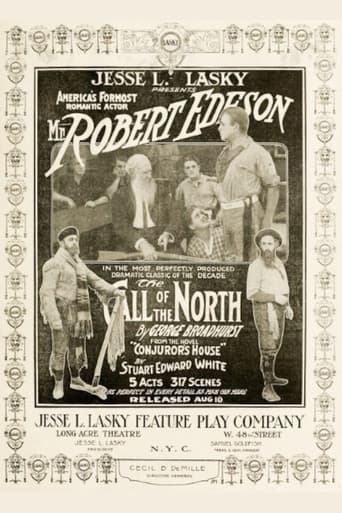
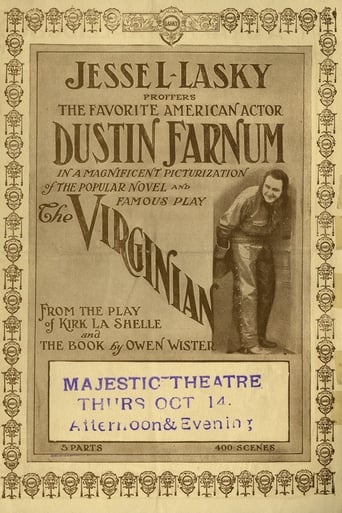
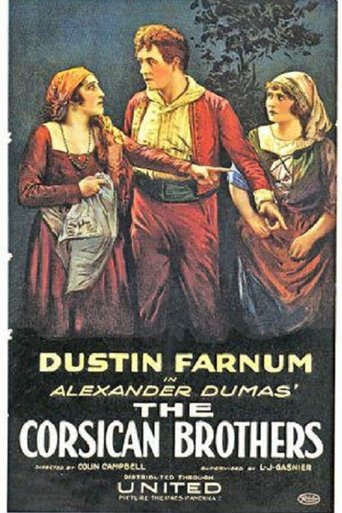
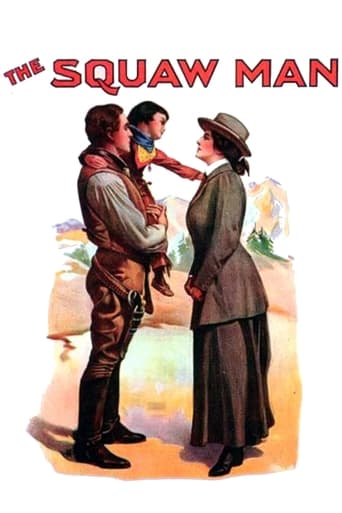
prominent American actress during the silent film era — known for her work in early Hollywood productions. Born Winifred Louise Nusbaum in 1894, she began her film career in 1914 with appearances in several significant silent films including 'The Call of the North' and 'The Virginian.' Her career flourished during the mid-1910s when she appeared in notable productions such as Cecil B. DeMille's 'The Squaw Man' (1914), which is recognized as Hollywood's first feature-length western. Kingston worked primarily with the Jesse L. Lasky Feature Play Company and often collaborated with her husband, filmmaker Hobart Bosworth. She demonstrated versatility by appearing in various genres, from westerns to dramas, showcasing the range required of silent era performers. Her film career, though relatively brief, spanned the crucial transitional period when Hollywood was establishing itself as the center of American cinema. After marrying Bosworth in 1915, she gradually reduced her on-screen appearances, with her last credited film being 'The Corsican Brothers' in 1920, after which she retired from acting to focus on family life.
The Craft
On Screen
As a silent film actress, Winifred Kingston employed the dramatic gestural style typical of the era, using expressive body language and facial expressions to convey emotion. Her performances were characterized by a natural grace and ability to adapt to various genres, from the rugged western settings of 'The Virginian' to the dramatic intensity of 'The Corsican Brothers.' Kingston demonstrated particular skill in romantic roles, often portraying strong female characters who could hold their own alongside male leads in the male-dominated narratives of early cinema.
Milestones
- Film debut in 'The Call of the North' (1914)
- Appeared in 'The Virginian' (1914)
- Starred in 'The Squaw Man' (1914)
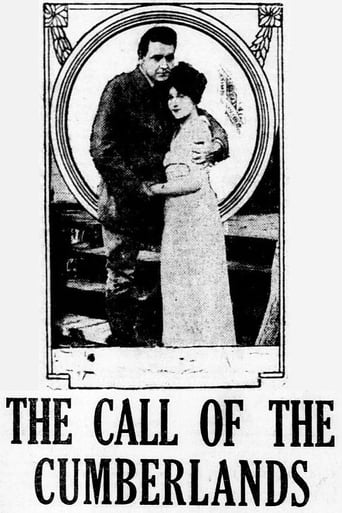
- Lead role in 'The Call of the Cumberlands' (1916)
- Final film appearance in 'The Corsican Brothers' (1920)
- Marriage to filmmaker Hobart Bosworth
Best Known For
Iconic Roles
Must-See Films
Working Relationships
Worked Often With
Studios
Why They Matter
Impact on Culture
Winifred Kingston's contributions to early cinema reflect the important role of actresses in establishing Hollywood's dominance during the silent era. Her appearances in foundational films like 'The Squaw Man' helped establish narrative conventions and character archetypes that would influence American cinema for decades. As part of the first generation of Hollywood film actors, Kingston participated in the transition from theatrical performance styles to a more cinematic approach, helping define the visual language of silent film acting. Her work in westerns contributed to the genre's early development and popularity, establishing templates for female characters in frontier narratives.
Lasting Legacy
Though her career was relatively brief, Winifred Kingston represents the many talented actresses who helped build Hollywood during its formative years. Her performances survive as examples of early American cinema and provide insight into the evolution of film acting techniques. As the wife of Hobart Bosworth, she was connected to one of early Hollywood's most influential creative partnerships, and her story illustrates the common pattern of actresses retiring upon marriage during this period. Her films continue to be studied by film historians and silent cinema enthusiasts as important examples of early American feature filmmaking.
Who They Inspired
While not widely recognized as a major influence on subsequent generations of actors, Kingston's work contributed to the development of screen acting techniques during cinema's transition from stage to screen. Her performances in early feature films helped establish conventions for female characterizations in American cinema, particularly in western and dramatic genres. As part of the first wave of Hollywood actors, she participated in creating the star system and studio structure that would dominate American film production for decades.
Off Screen
Winifred Kingston married prominent filmmaker Hobart Bosworth in 1915, which significantly influenced both her personal and professional trajectory. Bosworth, who was 24 years her senior, was a figure in early Hollywood as an actor, director, and producer. Their marriage placed Kingston at the center of early Hollywood's creative community, though it also led to her gradual retirement from acting. The couple remained married until Bosworth's death in 1943, after which Kingston lived a relatively private life in California until her own death in 1967 at the age of 72.
Education
Limited information available about her formal education, though she likely received training suitable for the theatrical profession of her era.
Family
- Hobart Bosworth (1915-1943)
Did You Know?
- Born Winifred Louise Nusbaum, she adopted 'Kingston' as her professional surname
- Her husband Hobart Bosworth was one of Hollywood's first independent filmmakers
- Appeared in what is considered Hollywood's first feature-length western ('The Squaw Man')
- Her film career lasted only six years but included appearances in several historically significant films
- Was part of the transition from short films to feature-length productions in early Hollywood
- Worked with director Cecil B. DeMille early in his career
- Her retirement from acting coincided with the industry's transition toward more established studio systems
- Lived through the entire transition from silent films to sound films, though she did not participate in sound cinema
- Her films are now preserved as important examples of early American cinema
- Married at age 21 to a man 24 years her senior, which was not uncommon for actresses of her era
Frequently Asked Questions
Who was Winifred Kingston?
American silent film actress active during the 1910s, known for her roles in early Hollywood productions including 'The Squaw Man' and 'The Virginian.' She was married to filmmaker Hobart Bosworth and appeared in several historically significant films during cinema's formative years.
What films is Winifred Kingston best known for?
Titles linked here include The Call of the North (1914), The Virginian (1914).
When was Winifred Kingston born and when did she die?
Born November 11, 1894; died October 3, 1967.
What awards did Winifred Kingston win?
There are no documented awards or nominations for Winifred Kingston, which was common for actors of the silent era before the establishment of major industry awards like the Academy Awards, which began in 1929 after her retirement.
What was Winifred Kingston's acting style?
Kingston employed the dramatic gestural style typical of silent film actors, using expressive body language and facial expressions to convey emotion. She demonstrated versatility across genres and was particularly effective in romantic and dramatic roles within the technical limitations of early cinema.
Why did Winifred Kingston retire from acting?
Kingston gradually retired from acting after her 1915 marriage to Hobart Bosworth, which was a common pattern for actresses of her era. Her last film appearance was in 1920, after which she focused on her personal life and marriage to the prominent filmmaker.
How did Winifred Kingston influence early cinema?
Kingston contributed to early cinema by participating in foundational films that helped establish Hollywood's dominance and narrative conventions. Her work in early feature films helped define screen acting techniques during the transition from theatrical to cinematic performance styles.