Films
1 film
About Mrs. A.W. Filson
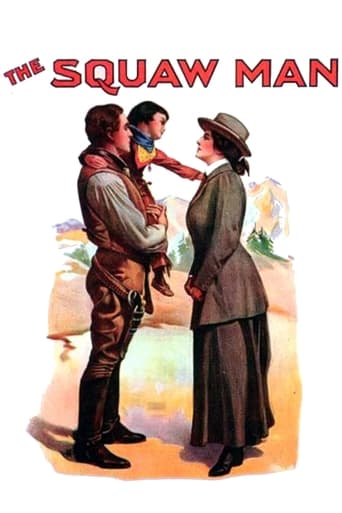
Mrs. A.W. Filson appeared in Cecil B. DeMille's 1914 western 'The Squaw Man.' This film was historically significant as it is widely considered to be the first feature-length movie produced in Hollywood. Her acting career appears to have been extremely brief, with documented filmography limited to this single production in 1914. Like many supporting actors from the early silent period, detailed records of her life and career are scarce, reflecting the limited documentation practices of early Hollywood. Her participation in this film places her among the early actors who helped establish Hollywood as the center of American cinema. The lack of extensive records about her subsequent career suggests she may have been a non-professional actress or someone who left the film industry shortly after this debut.
The Craft
Milestones
- Appeared in 'The Squaw Man' (1914), the first feature-length film made in Hollywood
Best Known For
Iconic Roles
Must-See Films
Working Relationships
Worked Often With
Studios
Why They Matter
Impact on Culture
Mrs. A.W. Filson's cultural impact is primarily historical rather than artistic, as she represents the early pioneers of Hollywood cinema. Her participation in 'The Squaw Man' places her among the actors who helped establish the foundation of the American film industry during its transition from the East Coast to Hollywood. Though her role was minor and her career brief, she was part of a film that revolutionized the industry by proving that feature-length films could be successfully produced in California. This film's success helped establish Hollywood as the permanent center of American movie production, a legacy that continues to this day.
Lasting Legacy
The legacy of Mrs. A.W. Filson is primarily as a representative of the countless unheralded performers who contributed to early cinema's development. While her name is not remembered alongside the stars of the silent era, her participation in 'The Squaw Man' makes her part of film history. She exemplifies the many actors, both professional and amateur, who appeared in films but whose stories have been largely lost to time. Her inclusion in the cast of this historically significant film ensures her place, however small, in the annals of Hollywood's beginnings.
Who They Inspired
As a minor performer with an extremely brief documented career, Mrs. A.W. Filson's direct influence on other actors or filmmakers appears to be minimal. However, as part of the cast of 'The Squaw Man,' she contributed to a film that would influence countless future westerns and feature productions. The success of this film demonstrated the viability of Hollywood as a production center, indirectly influencing the careers of thousands of subsequent actors and filmmakers who would follow in the industry's westward migration.
Off Screen
Very little is documented about the personal life of Mrs. A.W. Filson, which was common for many supporting actors from the early silent film era. The use of 'Mrs.' in her credited name suggests she was married, but the identity of her husband and other family details remain unknown. Like many performers of her era who appeared in only one or two films, she may have been a local resident recruited for the production rather than a professional actress pursuing a full-time career in motion pictures.
Did You Know?
- Appeared in what is widely considered the first feature-length film made in Hollywood
- Her film career appears to have lasted only one year, 1914
- The Squaw Man was directed by the legendary Cecil B. DeMille in his directorial debut
- The film was originally 6 reels long when released, running approximately 74 minutes
- The Squaw Man was remade by DeMille twice, in 1918 and 1931
- Like many early film actors, her real name and personal details remain undocumented
- The use of 'Mrs.' in her credited name was common for married women in the early 1900s
- Early Hollywood often recruited local residents for small roles, which may explain her single film appearance
Frequently Asked Questions
Who was Mrs. A.W. Filson?
Screen credits include the 1914 film 'The Squaw Man,' which is historically significant as the first feature-length movie produced in Hollywood. Her documented career appears to have been limited to this single film.
What films is Mrs. A.W. Filson best known for?
Titles linked here include The Squaw Man (1914).
When was Mrs. A.W. Filson born and when did she die?
The birth and death dates of Mrs. A.W. Filson are not documented, which is common for many supporting actors from the early silent film era whose personal details were not preserved in historical records.
What awards did Mrs. A.W. Filson win?
Mrs. A.W. Filson did not receive any documented awards or nominations for her film work, which was typical for supporting actors in the early 1910s before the establishment of major film awards.
What was Mrs. A.W. Filson's acting style?
Details about Mrs. A.W. Filson's acting style are not documented, as her only known appearance was in a supporting role in a single 1914 film, and detailed reviews of individual performances from this era are scarce.
Why is Mrs. A.W. Filson significant in film history?
Mrs. A.W. Filson is significant primarily because she appeared in 'The Squaw Man' (1914), the first feature-length film made in Hollywood, which helped establish the city as the center of American cinema production.