Films
2 films
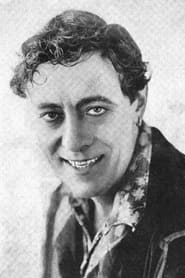
About Monroe Salisbury
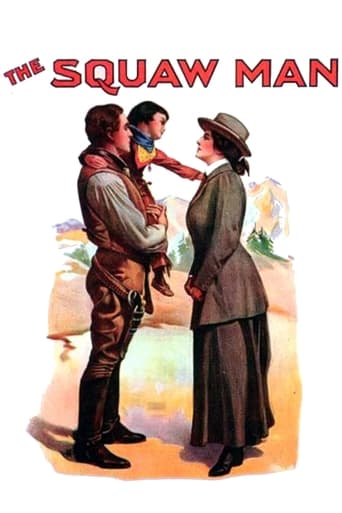
Monroe Salisbury worked on one surviving credit: The Squaw Man (1914). His most notable contribution was his role in the 1914 film 'The Squaw Man,' which holds the distinction of being the first feature-length film made in Hollywood. This landmark western drama was directed by Cecil B. DeMille and Oscar Apfel, marking the beginning of Hollywood's transformation into the film capital of the world. Salisbury's career appears to have been extremely brief, limited to the year 1914, which was common for many early actors who participated in the nascent film industry. Like many actors from this transitional period, detailed records of his life and career are scarce, reflecting the undocumented nature of early cinema history. His participation in this film places him among the actors who helped establish Hollywood's film industry during its formative years.
The Craft
Milestones
- Appeared in 'The Squaw Man' (1914), the first feature-length film made in Hollywood
Best Known For
Iconic Roles
Must-See Films
Working Relationships
Worked Often With
Studios
Why They Matter
Impact on Culture
Monroe Salisbury's cultural impact is primarily tied to his participation in 'The Squaw Man' (1914), a film that marked a pivotal moment in cinema history. This film was instrumental in establishing Hollywood as the center of American film production, moving the industry away from the East Coast. While Salisbury himself was not a major star, his contribution to this groundbreaking film places him among the pioneers who helped shape the early Hollywood landscape. The film's success demonstrated the viability of feature-length films and Hollywood as a production center, setting the stage for the development of the studio system and the Golden Age of Hollywood.
Lasting Legacy
Monroe Salisbury's legacy is that of an early Hollywood pioneer who participated in. While his individual career was brief and his personal contributions to cinema may seem modest, he represents the countless actors who helped establish the foundation of the American film industry. His name is forever linked to 'The Squaw Man' and the birth of Hollywood as the entertainment capital of the world. For film historians and enthusiasts, Salisbury serves as a reminder of the many unsung contributors who played roles in cinema's most transformative moments.
Who They Inspired
Due to his extremely brief career, Monroe Salisbury's direct influence on other actors or filmmakers is difficult to trace. However, his participation in 'The Squaw Man' contributed to the success of a film that influenced countless filmmakers and actors who followed. The film proved that Hollywood could produce successful feature films, influencing the entire trajectory of American cinema and inspiring future generations of filmmakers to establish their careers in Hollywood.
Off Screen
Very little information is available about Monroe Salisbury's personal life, which is typical for actors who had brief careers in the earliest days of cinema. The lack of documentation reflects the limited record-keeping and historical preservation for minor actors from this period.
Did You Know?
- Appeared in the first feature-length film made in Hollywood
- 'The Squaw Man' (1914) was co-directed by Cecil B. DeMille in his directorial debut
- The film was so successful it was remade three times by DeMille: in 1918, 1931, and 1938
- His entire known film active years covered only the year 1914
- The Squaw Man was based on a successful Broadway play
- The film was originally intended to be shot in Arizona but production moved to Hollywood
- The success of the film helped establish the Jesse L. Lasky Feature Play Company, which later became Paramount Pictures
Frequently Asked Questions
Who was Monroe Salisbury?
Screen credits include 1914. He is primarily known for his role in 'The Squaw Man,' which was the first feature-length film made in Hollywood.
What films is Monroe Salisbury best known for?
Titles linked here include The Squaw Man (1914).
When was Monroe Salisbury born and when did he die?
Unfortunately, specific birth and death dates for Monroe Salisbury are not well-documented, which is common for actors who had brief careers in the earliest days of cinema.
What awards did Monroe Salisbury win?
There are no records of Monroe Salisbury receiving any major awards or nominations, which was typical for actors during this early period of cinema before formal award systems were established.
What was Monroe Salisbury's acting style?
Due to the limited documentation of his career and the loss of many films from this era, specific details about Monroe Salisbury's acting style are not well-recorded.
Why is Monroe Salisbury significant in film history?
Monroe Salisbury is significant primarily because he appeared in 'The Squaw Man' (1914), the first feature film made in Hollywood, which helped establish Hollywood as the center of American film production.