Films
4 films
About Jack W. Johnston
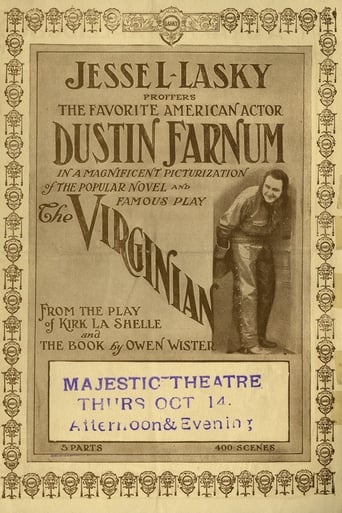
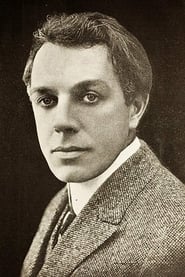
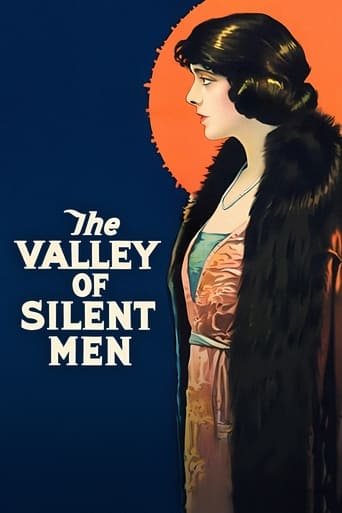
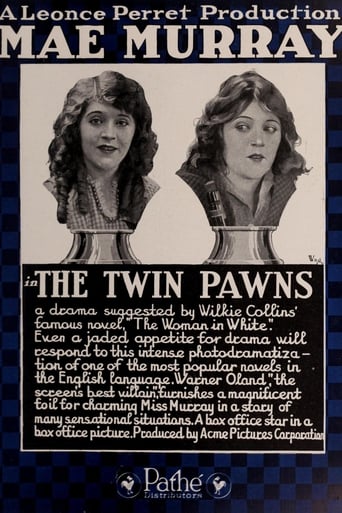
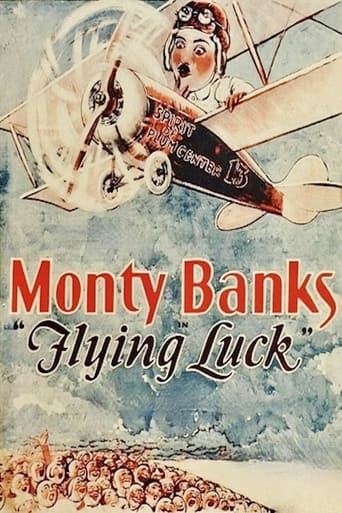
This archive lists one role for Jack W. Johnston: The Virginian (1914). His the pivotal years of early American cinema, from the formative years of feature filmmaking through the industry's maturation in the 1920s. Johnston appeared in 'The Virginian' (1914), one of the earliest film adaptations of Owen Wister's classic Western novel, demonstrating his involvement in foundational genre cinema. He continued working steadily through the decade, appearing in 'The Twin Pawns' (1919) and 'The Valley of Silent Men' (1922), which showcased his versatility across different dramatic roles. His final known film appearance was in 'Flying Luck' (1927), released just as the industry was transitioning to sound technology. Like many supporting actors of his era, Johnston's career appears to have concluded with the advent of talkies, as the industry's demands changed dramatically during this transitional period.
The Craft
Milestones
- Appeared in 'The Virginian' (1914), one of the earliest film adaptations of the classic Western novel
- Worked consistently through the silent era spanning 13 years
- Appeared in 'The Valley of Silent Men' (1922), a notable silent drama
- Final film appearance in 'Flying Luck' (1927) at the end of the silent era
Best Known For
Must-See Films
Why They Matter
Impact on Culture
Jack W. Johnston represents the typical working actor of the silent film era, whose contributions, while not widely documented, were essential to the fabric of early American cinema. His appearances across multiple years and different types of productions demonstrate the robust nature of the studio system that relied heavily on reliable character actors to populate their films. While not a major star, Johnston's career trajectory mirrors that of many silent era performers who found steady work but faded from public memory with the transition to sound.
Lasting Legacy
Jack W. Johnston's legacy lies in his contribution to the foundational years of American cinema, particularly through his participation in early Western adaptations like 'The Virginian' (1914). His filmography, though not extensively documented, provides insight into the career patterns of supporting actors during the silent era. Like many of his contemporaries who were not major stars, Johnston's work serves as an important reminder of the countless dedicated performers who helped build the film industry but whose stories remain largely untold.
Who They Inspired
As a supporting actor during the silent era, Jack W. Johnston's direct influence on subsequent generations of performers is difficult to trace, which was typical for actors who did not achieve star status. However, his consistent work across various productions contributed to the development of film acting techniques during cinema's formative years, when the craft was still being established.
Off Screen
Very little documented information exists about Jack W. Johnston's personal life, which was common for supporting actors of the silent era who did not achieve major stardom.
Did You Know?
- Appeared in films during the entire span of World War I
- His career ended just as the transition to sound films began in 1927
- Worked during the golden age of silent cinema when feature films were becoming the industry standard
- Appeared in 'The Virginian' (1914), which was filmed during the early years of Hollywood's establishment
- Like many silent era actors, his biographical details are largely lost to history
- His filmography spans exactly 13 years, a typical career length for many supporting actors of the period
Frequently Asked Questions
Who was Jack W. Johnston?
American with credits in this catalog. He was a supporting actor whose active years covered the height of the silent era.
What films is Jack W. Johnston best known for?
Titles linked here include The Virginian (1914), The Twin Pawns (1919).
When was Jack W. Johnston born and when did he die?
Unfortunately, specific birth and death dates for Jack W. Johnston are not documented in available historical records, which was common for many supporting actors of the silent era who did not achieve major stardom.
What awards did Jack W. Johnston win?
There are no documented awards or nominations for Jack W. Johnston, which was typical for many supporting actors during the silent era when formal acting awards were not yet established in the industry.
What was Jack W. Johnston's acting style?
Specific details about Jack W. Johnston's acting style are not documented in available sources, though as a silent era actor he would have used the exaggerated gestures and facial expressions characteristic of the period to convey emotion without dialogue.
Why did Jack W. Johnston's career end in 1927?
Johnston's career concluded in 1927, which coincides with the transition from silent films to talkies. Many actors from the silent era found their careers ending during this period as the industry underwent dramatic technological and artistic changes.
How does Jack W. Johnston fit into film history?
Jack W. Johnston represents the thousands of working actors who were essential to early American cinema but whose stories remain largely undocumented. His career exemplifies the typical trajectory of supporting actors during the silent era who contributed significantly to film development but are now largely forgotten.