

Flying Luck
"Silent comedy film directed Herman"
Keys: Space play/pause · ←/→ 10s · F fullscreen · M mute · </> speed
About this film
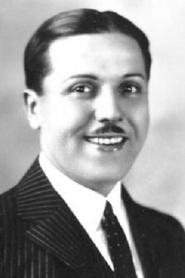
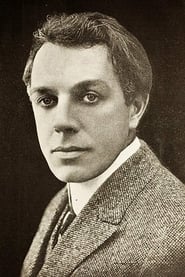
American silent comedy film directed by Herman C. Raymaker and starring Monty Banks, Jean Arthur and Jack W. Johnston.
Cast & crew
More films like this

More Comedy films
View all →







More from Herman C. Raymaker
View all →
More about this film
About the production
Release dateDecember 1927
Box officeBox office figures not documented for this minor comedy feature
ProductionRaymaker Productions, Film Booking Offices of America (FBO)
Filmed inLos Angeles, California, San Fernando Valley, Roosevelt Field (aviation sequences)
The film was made during the transition period when aviation was still relatively new and dangerous, making the aerial sequences particularly challenging. Real military aircraft were used, and the production had to work with the Army Air Service for authenticity. Monty Banks performed many of his own stunts, including several falls and physical comedy sequences that required considerable athletic ability.
Themes
Military incompetenceThe American dream of flightTriumph of the underdogTechnology vs. Human limitationsRomance in unconventional settings
Themes & topics
Historical background
Contemporary records classify Flying Luck (1927) as 1927 film directed by herman c. raymaker, placing it within late silent cinema and the transition toward sound.
Why this film matters
Flying Luck (1927) helps trace genre evolution, performer careers, and the material conditions of silent exhibition.
Making of
The production faced significant challenges filming the aviation sequences, as 1920s aircraft were notoriously unreliable and dangerous. The cast and crew had to work around weather conditions and mechanical failures. Monty Banks, known for his athletic comedy style, insisted on performing many of his own stunts, which included falling from aircraft mock-ups and engaging in physical comedy with real military equipment. Jean Arthur, still early in her career, was reportedly nervous around the aircraft but maintained her professionalism throughout the shoot. The film was shot quickly on a modest budget, typical of FBO's production methods, which favored quantity over quality. The aerial sequences were filmed using early camera mounts on actual training aircraft, requiring skilled pilots and camera operators to capture the footage.
What critics said
Modern write-ups on Flying Luck (1927) tend to focus on preservation status, stylistic choices, and placement within director or studio filmographies.
Did you know?
- This was one of Jean Arthur's earliest film appearances, before she became a major star in the 1930s
- Monty Banks was actually an Italian-born actor named Mario Bianchi who anglicized his name for American audiences
- The film was released just months before Charles Lindbergh's transatlantic flight, which would spark a massive wave of aviation films
- Director Herman C. Raymaker was primarily known as a comedy director who worked extensively with Harry Langdon
- Kewpie Morgan, who plays a supporting role, was a former circus performer who brought physical comedy skills to his film work
- The Army aircraft used in the film were primarily Curtiss JN-4 'Jenny' trainers, which were widely available after WWI
- Only a handful of copies of this film are known to exist, making it quite rare among silent comedies
- The film was originally released with a synchronized musical score and sound effects using the Vitaphone process
- Monty Banks would later become a successful director in England after his acting career declined in the sound era
- The title 'Flying Luck' was a play on the popular phrase 'flying Dutchman' and the concept of luck in aviation
Visual style
The cinematography by Ira H. Morgan (no relation to Kewpie Morgan) was competent for a low-budget comedy of its era, with the aerial sequences being the most technically impressive aspects. The film used a combination of studio sets and location photography, with the aviation footage requiring specialized camera mounts on actual aircraft. Morgan employed the standard techniques of silent film cinematography, including careful lighting to compensate for the slow film stock of the period. The aerial sequences demonstrated considerable technical skill for the time, using multiple camera angles to capture both the action in the air and reactions on the ground. The film's visual style was straightforward and functional, prioritizing clarity of the comedy over artistic flourishes.
Innovations
While not, Flying Luck demonstrated competent use of then-current film technology. The aerial sequences were technically challenging for 1927, requiring coordination between pilots, camera operators, and actors. The film used the Vitaphone system for synchronized sound, which was still relatively new technology in 1927. The production employed early camera stabilization techniques for the aerial photography, which was difficult given the vibration and movement of 1920s aircraft. The film also used multiple exposure techniques for some of the comedy sequences, though these were standard practices by the late 1920s. The technical aspects of the film were solid but not innovative, representing the state of the art for low-budget comedy production of the era.
Music
The film was originally released with a synchronized musical score and sound effects using the Vitaphone sound-on-disc system, making it one of the early sound-enhanced films. The score was typical of late silent film music, with light, comedic themes for the slapstick sequences and more dramatic music for the aerial scenes. Sound effects included engine noises, crashes, and other aviation-related sounds that enhanced the viewing experience. The musical accompaniment was composed by studio musicians at FBO, following the standard practice of providing mood-appropriate music for different scenes. Unfortunately, the original Vitaphone discs for this film are believed to be lost, so modern screenings must rely on newly created musical scores.
Famous quotes
I may not know how to fly, but I certainly know how to fall!
The Army said they'd teach me to fly.. They didn't say anything about landing!
Some men are born to fly, others are born to try.. And try.. And try again.
Memorable scenes
- The chaotic basic training sequence where Monty Banks' character attempts to march, salute, and follow military commands, resulting in a domino effect of fallen soldiers and confused drill sergeants. The scene culminates with him accidentally marching into the officers' mess hall during inspection time, creating pandemonium among the dining officers.
What audiences thought
Audiences in 1927 reportedly enjoyed the film's combination of aerial thrills and comedy, though it was not a major box office success. The aviation sequences were particularly popular with viewers fascinated by flying, while Monty Banks' physical comedy appealed to fans of silent era slapstick. The film performed adequately in urban areas where aviation was more familiar to audiences, but struggled in rural markets where the novelty of flight had less impact. Like many comedies of its type, it was primarily seen as second-feature material rather than a main attraction. Modern audiences have had limited exposure to the film due to its scarcity, but those who have seen it at silent film festivals generally appreciate it as a charming example of late-silent era comedy.
Film connections
Influenced by
- The General (1926) - for its military comedy elements
- Wings (1927) - for its aviation sequences
- The Circus (1928) - for its physical comedy style
This film influenced
- Aviation comedies of the early sound era
- Military training comedies
- Underdog sports films
Film restoration
The film is partially preserved with incomplete elements held in several archives. The Library of Congress has an incomplete nitrate copy, and the UCLA Film & Television Archive holds a 16mm reduction print. Some sequences are missing or severely degraded, particularly the intertitles. The film has not been officially restored, though preservation efforts have stabilized the existing elements. It is not commercially available on home video, though bootleg copies circulate among collectors. The film is considered at-risk due to the decomposition of nitrate elements and the lack of a complete preservation copy.
Where to watch
- The film is extremely rare and not commercially available. Occasionally screened at silent film festivals or specialized cinematheques. Some archives may allow scholarly viewing by appointment. No legitimate streaming or home video releases exist as of current date.