Herman C. Raymaker
Director
Born: January 15, 1893 in Pennsylvania, USA Died: September 20, 1944 Active: 1917-1927
Films
2 films
About Herman C. Raymaker
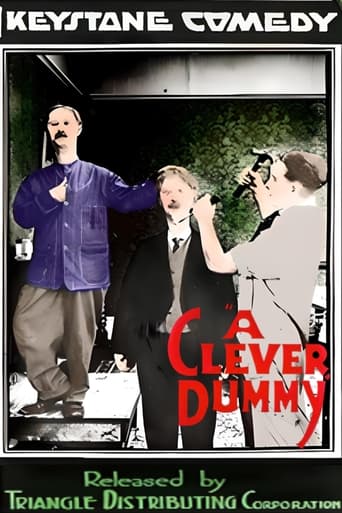
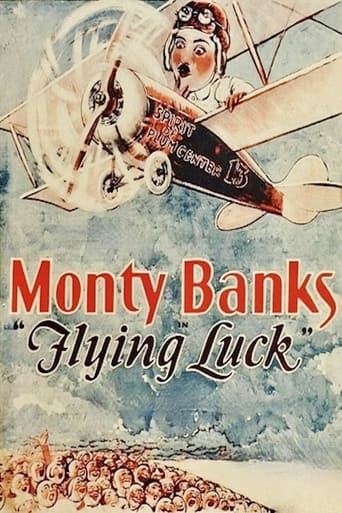
American film director who worked primarily during the silent era, specializing in comedy shorts and features. Beginning his career in the mid-1910s, Raymaker quickly established himself as a reliable director of comedic content, working with some of the era's most popular performers. His directorial style emphasized physical comedy and visual gags, characteristic of silent film comedy techniques. Throughout his decade-long career from 1917 to 1927, he directed numerous short films and features for various production companies. Raymaker collaborated frequently with comedy stars of the period, including Harold Lloyd and other Hal Roach Studio regulars. His most notable works include 'A Clever Dummy' (1917) and 'Flying Luck' (1927), which showcased his ability to craft engaging comedic narratives. As the transition to sound films began in the late 1920s, Raymaker's directing career appears to have concluded, reflecting the challenges many silent-era directors faced during this technological transition.
The Craft
Behind the Camera
Raymaker specialized in visual comedy and slapstick techniques typical of the silent era. His directing emphasized physical gags, timing, and situational comedy rather than dialogue. He worked efficiently within the short film format, delivering concise comedic narratives that appealed to contemporary audiences. His approach was straightforward and commercially oriented, focusing on entertainment value and audience appeal.
Milestones
- Directed 'A Clever Dummy' (1917), an early comedy short
- Collaborated with Harold Lloyd on several productions
- Worked extensively with Hal Roach Studios
- Directed 'Flying Luck' (1927), one of his later feature films
- Established himself as a reliable comedy director during the silent era
Best Known For
Must-See Films
Working Relationships
Worked Often With
Studios
Why They Matter
Impact on Culture
Herman C. Raymaker contributed to the development of American silent comedy during its peak years. While not as celebrated as some of his contemporaries, his work helped shape the comedic language of the era. His films, particularly those made at Hal Roach Studios, were part of the foundation that would influence later comedy directors and performers. The techniques and approaches he employed in visual storytelling and physical comedy became part of the standard toolkit for filmmakers working in the comedy genre.
Lasting Legacy
Raymaker's legacy lies in his contribution to the vast body of silent comedy that entertained millions during the early 20th century. Though not a household name today, his work survives as part of the historical record of American cinema's formative years. His films serve as valuable examples of the comedic sensibilities and technical approaches of the silent era, providing insight into the evolution of film comedy as an art form.
Who They Inspired
While direct evidence of Raymaker's influence on other filmmakers is limited, his work was part of the collective influence that silent comedy directors had on the genre. The visual comedy techniques he employed would later be adapted and refined by subsequent generations of comedy filmmakers. His collaborations with stars like Harold Lloyd helped establish patterns of performer-director partnerships that would become standard in Hollywood.
Off Screen
Limited information is available about Herman C. Raymaker's personal life. He was born in Pennsylvania in 1893 and lived until 1944, passing away at the age of 51. His active years covered the transformative decade of the 1910s to 1920s in Hollywood, during which he contributed to the golden age of silent comedy.
Education
No specific educational records are available for Herman C. Raymaker, which was common for many early film industry professionals who learned their craft through practical experience rather than formal training.
Did You Know?
- Raymaker directed over 50 films during his decade-long career
- Many of his films are now considered lost, a common fate for silent era productions
- He worked during the transition from one-reel shorts to feature-length comedies
- His collaborations with Harold Lloyd came during Lloyd's rise to stardom
- Raymaker's career ended just as sound films were revolutionizing the industry
- He was one of many directors who specialized in comedy shorts during the silent era
- His films often featured elaborate physical comedy sequences and stunts
- Raymaker worked during what many consider the golden age of American silent comedy
Frequently Asked Questions
Who was Herman C. Raymaker?
American on YTB.my. He collaborated with notable comedians like Harold Lloyd and worked extensively with Hal Roach Studios.
What films is Herman C. Raymaker best known for?
Titles linked here include A Clever Dummy (1917), Flying Luck (1927).
When was Herman C. Raymaker born and when did he die?
Born January 15, 1893; died September 20, 1944.
What awards did Herman C. Raymaker win?
There are no recorded awards or nominations for Herman C. Raymaker, which was common for many directors of his era, particularly those working in short films and comedy genres.
What was Herman C. Raymaker's directing style?
Raymaker's directing style emphasized visual comedy and physical gags typical of the silent era. He focused on slapstick techniques, timing, and situational comedy, working efficiently within the short film format to deliver entertaining and commercially viable content.