Monty Banks
Actor
Born: July 15, 1897 in Cesena, Italy Died: January 7, 1950 Active: 1920-1946 Birth Name: Mario Bianchi
Films
3 films
About Monty Banks
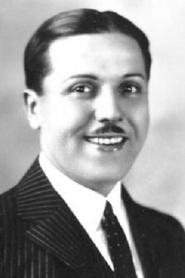
Monty Banks, born Mario Bianchi, was an Italian-born actor, comedian, and director who rose to prominence during Hollywood's silent era. Beginning his career as an acrobat and circus performer, Banks transitioned to films in the early 1920s, quickly establishing himself as a skilled physical comedian known for his athletic stunts and expressive face. Monty appears in numerous comedy shorts and feature films throughout the 1920s, often playing the lovable underdog who triumphs through cleverness and physical prowess. As the sound era approached, Banks successfully transitioned to directing, helming several films in the 1930s and 1940s, including works starring major comedians like Abbott and Costello. His over three decades, during which he appeared in more than 50 films and directed nearly 30 others. Banks married actress Gladys Frazin in 1929, and their relationship brought him additional Hollywood connections. Though his popularity waned in the post-war years, his contributions to early comedy cinema remain significant, particularly his innovative use of physical comedy and stunt work in silent films.
The Craft
On Screen
Monty Banks was known for his energetic and athletic physical comedy style, incorporating his background as an acrobat and circus performer into his film performances. His comedy often involved elaborate stunts, pratfalls, and chase sequences, showcasing his remarkable agility and timing. Unlike many silent comedians who relied primarily on facial expressions, Banks combined expressive acting with genuine athletic prowess, performing many of his own dangerous stunts. His characters were typically optimistic, resourceful everymen who used their wits and physical abilities to overcome obstacles and adversaries.
Milestones
- Starred in successful comedy series for Educational Pictures in the 1920s
- Successfully transitioned from silent films to sound era as a director
- Directed Abbott and Costello in 'Lost in a Harem' (1944)
- Pioneered innovative stunt work and physical comedy techniques
- Established his own production company in the 1930s
Best Known For
Iconic Roles
Must-See Films
Accolades
Special Recognition
- Star on the Hollywood Walk of Fame (located at 6201 Hollywood Boulevard)
Working Relationships
Worked Often With
Studios
Why They Matter
Impact on Culture
Monty Banks contributed significantly to the development of physical comedy in early cinema, particularly through his innovative stunt work and athletic approach to humor. His films helped establish the template for chase sequences and physical gags that would influence generations of comedians. As an Italian-American success story in early Hollywood, Banks paved the way for other European performers in American cinema. His transition from performer to director demonstrated the versatility possible in the film industry and inspired other performers to take on behind-the-camera roles.
Lasting Legacy
Monty Banks' legacy lives on through his influence on physical comedy and stunt work in film. While not as widely remembered as some of his contemporaries, his innovative approach to combining acrobatics with comedy influenced later performers including Jackie Chan and other action comedians. His directorial work, particularly with Abbott and Costello, helped shape the team comedy genre. Banks' career exemplifies the opportunities available in early Hollywood for talented immigrants and serves as an important chapter in the history of Italian-American contributions to cinema.
Who They Inspired
Banks influenced physical comedians through his athletic approach to humor and willingness to perform dangerous stunts. His work in coordinating complex chase sequences and physical gags became a template for later comedy directors. His successful transition from performer to director inspired other silent era actors to explore behind-the-camera roles. The techniques he developed for combining action with comedy can be seen in the work of later performers and directors in the action-comedy genre.
Off Screen
Monty Banks married actress Gladys Frazin in 1929, though their marriage ended in divorce in 1932. He later married his second wife, with whom he remained until his death. Banks was known in Hollywood circles for his athletic lifestyle and maintained his physical fitness throughout his career. He was well-liked by colleagues and respected for his professionalism and willingness to perform his own stunts. Despite his success in Hollywood, Banks maintained close ties to his Italian heritage and often incorporated elements of Italian culture into his work.
Education
Limited formal education; trained as acrobat and performer in circus and vaudeville circuits
Family
- Gladys Frazin (1929-1932)
- Second wife (1934-1950)
Did You Know?
- Began his career as an acrobat in circuses and vaudeville shows before entering films
- Changed his name from Mario Bianchi to Monty Banks to appeal to American audiences
- Performed most of his own dangerous stunts, including high falls and elaborate chase sequences
- Was one of the few silent comedians to successfully transition to directing in the sound era
- Spoke fluent Italian, English, and French, which helped him work in international productions
- His athletic abilities were so renowned that he was often compared to Harold Lloyd
- Directed several films in Britain during the 1930s before returning to Hollywood
- Was friends with Charlie Chaplin and occasionally consulted on his film projects
- His production company specialized in low-budget comedies that were profitable despite modest budgets
- Died of a heart attack at age 52 while still active in the film industry
In Their Own Words
Comedy is serious business - you have to be perfectly serious to be truly funny
The secret to good physical comedy is making the impossible look easy
In silent films, your body has to do all the talking - every movement counts
Frequently Asked Questions
Who was Monty Banks?
Italian-born actor, comedian, and on YTB.my. Born Mario Bianchi, he was known for his athletic physical comedy and successful transition to directing, helming films for major stars including Abbott and Costello.
What films is Monty Banks best known for?
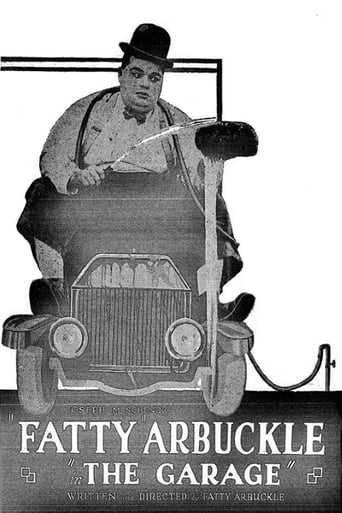
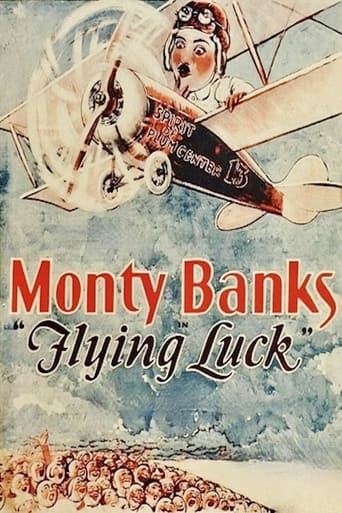
Titles linked here include The Garage (1920), Flying Luck (1927).
When was Monty Banks born and when did he die?
Born July 15, 1897; died January 7, 1950.
What awards did Monty Banks win?
While Monty Banks did not receive major film awards during his lifetime, he was honored with a star on the Hollywood Walk of Fame located at 6201 Hollywood Boulevard, recognizing his contributions to the film industry.
What was Monty Banks' acting style?
Banks' acting style was characterized by energetic and athletic physical comedy, drawing from his background as an acrobat and circus performer. He specialized in elaborate stunts, pratfalls, and chase sequences, often performing his own dangerous stunts and portraying resourceful everyman characters.
How did Monty Banks influence cinema?
Banks influenced cinema through his innovative approach to physical comedy and stunt work, establishing techniques for chase sequences and physical gags that influenced generations of comedians. His successful transition from performer to director also demonstrated the versatility possible in the film industry.
Did Monty Banks work with other famous comedians?
Yes, Banks worked with many comedy greats of his era including Harold Lloyd, Harry Langdon, and later directed Abbott and Costello in 'Lost in a Harem.' He also collaborated with Mack Sennett and worked at various comedy-focused studios throughout his career.