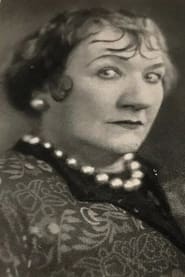
Louise Carver
Actor
Born: November 9, 1869 in Davenport, Iowa, United States Died: June 18, 1956 Active: 1915-1932
Films
10 films


About Louise Carver
American character actress who found great success during the silent film era, particularly in comedy productions. Born in Davenport, Iowa, she began her entertainment career in vaudeville before transitioning to motion pictures in the mid-1910s. Carver became a familiar face to audiences through her work with Hal Roach Studios, where she specialized in playing matronly roles, often as mothers, aunts, or landladies in comedy shorts. Louise appears in numerous films alongside comedy legends like Harold Lloyd, Charley Chase, and Snub Pollard, bringing her distinctive presence to over 100 productions throughout her career. Her ability to portray both stern and comedic maternal figures made her a valuable supporting player in Hollywood's golden age of silent comedy. Despite the transition to sound films, Carver continued working into the early 1930s, though her roles diminished as the industry changed. She retired from acting in the early 1930s after a prolific career spanning nearly two decades in cinema.
The Craft
On Screen
Louise Carver was known for her distinctive character acting style, specializing in portraying matronly figures with a perfect blend of stern authority and underlying warmth. Her performances in silent comedies relied heavily on expressive facial expressions and physical comedy, using her matronly appearance to create humorous contrasts with the chaotic antics of younger comedians. She had a particular talent for playing disapproving mothers, formidable aunts, or strict landladies who would eventually soften, creating a satisfying emotional arc in short comedy formats. Her timing and ability to deliver both comedic and genuinely touching moments made her a valuable supporting player in the silent comedy genre.
Milestones
- Transitioned from vaudeville to silent films in the mid-1910s
- Became a regular character actress at Hal Roach Studios
- Appeared in over 100 films during her career
- Specialized in maternal and authority figure roles in comedy shorts
- Worked with major silent comedy stars including Harold Lloyd and Charley Chase
Best Known For
Iconic Roles
Must-See Films
Working Relationships
Worked Often With
Studios
Why They Matter
Impact on Culture
Louise Carver played a significant role in the development of American silent comedy as one of the era's most recognizable character actresses. Her work helped establish the archetype of the matronly figure in comedy shorts, a character type that would become a staple in both silent and sound comedies. By consistently portraying authority figures with both sternness and heart, she contributed to the emotional depth of comedy films, proving that even short-form comedies could contain genuine character development. Her performances alongside comedy legends helped create some of the most memorable moments in silent comedy, influencing how supporting characters were written and portrayed in subsequent decades.
Lasting Legacy
Louise Carver's legacy lies in her contributions to the golden age of American silent comedy, where she helped define the role of the character actress in comedy shorts. Though not as famous as the leading comedians she worked with, her performances in over 100 films have been preserved as part of America's cinematic heritage. Film historians and silent cinema enthusiasts recognize her as an essential component of the comedy machinery of the 1920s, particularly through her work with Hal Roach Studios. Her ability to create memorable characters with limited screen time demonstrated the importance of skilled supporting actors in creating successful comedy films. Today, her surviving films continue to be studied and appreciated by those interested in the development of American comedy cinema.
Who They Inspired
Louise Carver influenced subsequent generations of character actresses by demonstrating how supporting roles could be both memorable and essential to comedy success. Her work in creating the matronly archetype in comedy shorts influenced how similar characters would be written and performed in later sound comedies and even television sitcoms. Younger actresses studying silent comedy often look to her performances as examples of how to create distinct characters through physical expression and timing. Her collaborations with major comedy stars also helped establish the template for how straight characters could effectively support and enhance comedic performances without overshadowing the main talent.
Off Screen
Louise Carver maintained a relatively private personal life throughout her career in Hollywood. She never married and had no children, dedicating herself entirely to her craft as an actress. After retiring from films in the early 1930s, she lived a quiet life away from the public eye. She spent her later years in Los Angeles, where she passed away at the age of 86. Despite her prolific career and numerous film appearances, she remained somewhat of a mystery to the public, rarely giving interviews or discussing her private life.
Did You Know?
- She began her entertainment career in vaudeville before transitioning to films
- Appeared in over 100 films during her career, mostly silent comedies
- Often played characters much older than her actual age
- Was a favorite of director Hal Roach for his comedy productions
- Worked with virtually every major comedy star of the silent era
- Never married and had no children, dedicating her life to her career
- Successfully made the transition from stage to screen during the early film era
- Her matronly appearance made her typecast in mother and aunt roles
- Continued working into the early sound era, though with fewer roles
- Retired from acting in the early 1930s as the film industry underwent major changes
Frequently Asked Questions
Who was Louise Carver?
American character actress who specialized in silent film comedies, particularly known for playing matronly roles in Hal Roach productions during the 1920s. She appeared in over 100 films and worked with major comedy stars like Harold Lloyd and Charley Chase.
What films is Louise Carver best known for?
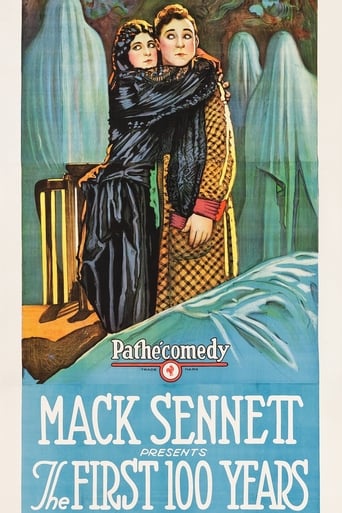
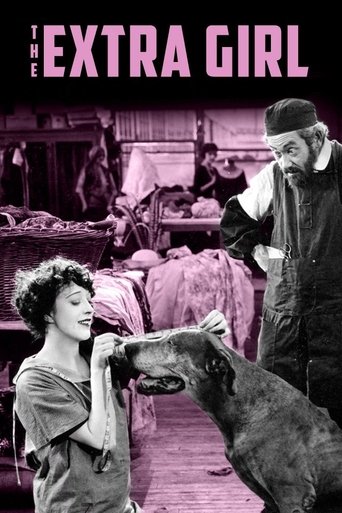
Titles linked here include The Extra Girl (1923), The First 100 Years (1924).
When was Louise Carver born and when did she die?
Born November 9, 1869; died June 18, 1956.
What awards did Louise Carver win?
Louise Carver did not receive any major awards or nominations during her career, which was common for character actresses in the silent film era, particularly those working primarily in short comedy films.
What was Louise Carver's acting style?
Carver was known for her distinctive character acting style, specializing in portraying stern matronly figures with expressive facial expressions and physical comedy. She created memorable authority figures who provided both comic contrast and emotional depth to comedy shorts.
Did Louise Carver work in sound films?
Yes, Louise Carver did transition to sound films in the early 1930s, though her roles diminished as the industry changed. She appeared in a few early talkies before retiring from acting altogether in the early 1930s.