
The First 100 Years
"Cook rules the honeymoon"
Keys: Space play/pause · ←/→ 10s · F fullscreen · M mute · </> speed
About this film
A newlywed hires a domineering cook who smokes cigars and disrupts domestic bliss when an old friend visits in this 1924 comedy short. Domestic-service farce was a staple of silent two-reel humor.
Cast & crew
More films like this

More Thriller films
View all →


More from F. Richard Jones
View all →

More about this film
About the production
Release dateJune 29, 1924
Box officeUnknown
ProductionMack Sennett Comedies
Filmed inLos Angeles, California
was produced during Harry Langdon's early period with Mack Sennett, before he became a major star. The film presents Langdon's developing comedic persona as the innocent, child-like protagonist caught in adult situations. The production typical of Sennett's studio comedies of the era, featuring rapid pacing and physical comedy elements blended with domestic drama.
Themes
Marital misunderstandingsDomestic comedyJealousy and suspicionFriendship and loyaltyAppearance versus reality
Themes & topics
Historical background
The First 100 Years title jokes about marriage duration while reflecting 1920s anxiety over servants and gender roles in comedy shorts.
Why this film matters
While not a major landmark film, The First 100 Years represents an important transitional period in American comedy cinema. It presents the development of Harry Langdon's unique comedic style, which offered a gentler alternative to the more aggressive slapstick of earlier silent comedians. The film's domestic setting and focus on marital misunderstandings reflected changing social attitudes toward marriage and relationships in the 1920s. As a product of Mack Sennett's studio, it contributes to our understanding of how comedy was manufactured during the studio system's formative years. The film also exemplifies the short comedy format that dominated cinema programming before feature films became the standard. Its survival provides valuable insight into the types of entertainment that appealed to audiences of the 1920s and demonstrates how filmmakers balanced comedy with other genres to create varied entertainment within limited running times.
Making of
The First 100 Years was produced during a pivotal period at Mack Sennett's studio when they were developing new comedy stars to replace their earlier successes. Harry Langdon, who had been working in vaudeville and minor film roles, was being groomed for stardom. Director F. Richard Jones, known for his skill in guiding comedic performers, worked closely with Langdon to develop his unique screen persona - the innocent, child-like man in a confusing adult world. The filming likely took place on the Mack Sennett studio lot in Edendale, Los Angeles, using the studio's standing sets for domestic interiors. The production would have followed Sennett's typical fast-paced schedule, with minimal rehearsals and emphasis on spontaneous comedic moments. The film's blend of domestic comedy with thriller elements was characteristic of the era's approach to short comedies, aiming to provide variety within the brief running time.
What critics said
A programmer comedy of its day; it survives as an example of marriage farce tropes.
Did you know?
- was released during Harry Langdon's breakthrough year of 1924, when he was transitioning from supporting roles to becoming a comedy star
- Director F. Richard Jones was a key figure at Mack Sennett's studio and helped develop many comedy stars of the silent era
- Alice Day, the female lead, was the sister of popular actress Marceline Day and had her own brief career as a silent film actress
- The film's title refers to the traditional first year of marriage, often called the 'paper anniversary'
- Frank J. Coleman, who plays Roland Stone, was a character actor who frequently appeared in Mack Sennett productions
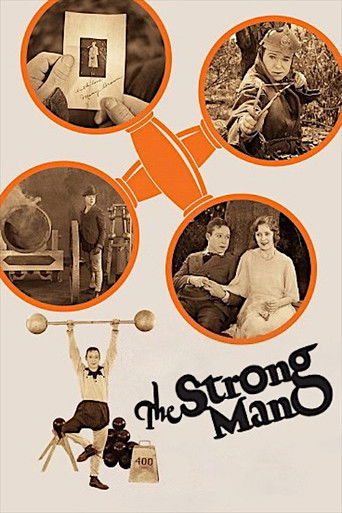
- This was one of several short comedies Harry Langdon made in 1924 before his feature film breakthrough in 'The Strong Man' (1926)
- The film combines elements of domestic comedy with thriller elements, a popular hybrid genre in silent cinema
- Mack Sennett comedies were known for their fast production schedules, often being completed in just a few days
- The 'prowler' subplot was a common trope in silent comedies, allowing for suspense mixed with physical comedy
- survives in archives, unlike many silent comedies that have been lost over time
Visual style
As a typical Mack Sennett production from 1924, the cinematography would have been straightforward and functional, using standard techniques of the silent era. The camera work likely employed static shots for dialogue scenes and more dynamic movement for physical comedy sequences. The lighting would have been basic studio lighting, designed to clearly illuminate the actors and sets. The film would have been shot on 35mm film at the standard frame rate of the period (approximately 16-18 frames per second). The cinematographer would have focused on capturing the performers' expressions and movements clearly, as visual storytelling was paramount in silent films. The domestic setting allowed for intimate camera work, while the thriller elements would have used shadows and camera angles to create suspense.
Innovations
The First 100 Years does not feature any notable technical achievements or innovations. As a standard short comedy from 1924, it employed the conventional filmmaking techniques of the period. The production would have used the standard equipment and processes of the Mack Sennett studio, including their typical lighting setups, camera equipment, and editing techniques. The film's significance lies not in technical innovation but in its effective use of established techniques to create entertainment within the constraints of the short comedy format. The film does demonstrate the efficiency of studio production methods during this era, with the ability to produce complete short comedies quickly and consistently using standardized technical processes.
Music
As a silent film, The First 100 Years would have been accompanied by live music during its original theatrical run. The specific musical score is not documented, but it would have typically been provided by a theater organist or pianist. The music would have followed the conventions of silent film accompaniment: lighter, comedic themes for the domestic scenes, more suspenseful music for the thriller elements, and romantic motifs for the relationship scenes. Large theaters might have had small orchestras perform compiled scores using popular classical pieces and standard photoplay music. The music would have been crucial in establishing mood and enhancing the emotional impact of the visual storytelling, particularly during the climactic scenes involving the prowler and the misunderstanding between the married couple.
Memorable scenes
- The climactic scene where Miss Gainsborough faints and clings to her boss, creating the misunderstanding that threatens the marriage; the introduction of the domineering cigar-smoking cook who disrupts the household; the prowler sequence that adds thriller elements to the comedy
What audiences thought
Audience reception in 1924 would have been generally positive for this type of short comedy, which served as popular entertainment between feature films. Harry Langdon was building a following during this period, and audiences responded to his innocent, child-like character. The combination of domestic comedy with thriller elements would have provided the variety that moviegoers expected from short subjects. The film's themes of marital misunderstandings and domestic complications were relatable to contemporary audiences, adding to its appeal. While specific box office data for individual short comedies of this era is scarce, the continued production of similar films by Mack Sennett suggests that audiences were receptive to this format and style of comedy.
Film connections
Influenced by
- Mack Sennett comedy style
- Domestic comedy traditions
- Silent era thriller elements
This film influenced
- Subsequent Harry Langdon comedies
- Domestic comedy shorts of the late 1920s
Film restoration
The film is preserved and available for viewing through various film archives and silent film collections. As a Mack Sennett production featuring Harry Langdon, it has been maintained as part of silent cinema heritage. While many silent films have been lost, this particular short appears to have survived the decades and is accessible to researchers and silent film enthusiasts.
Where to watch
- The film is available through various silent film archives and specialized streaming services dedicated to classic cinema
- Some public domain collections may include
- Film archives and museums specializing in silent cinema may have viewing copies
- Specialized silent film distributors and restoration companies may offer access