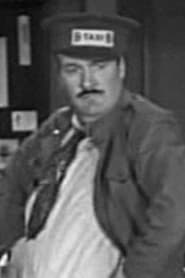
Tiny Ward
Actor
Born: January 15, 1892 in Philadelphia, Pennsylvania, USA Died: March 28, 1965 Active: 1923-1929 Birth Name: William Henry Ward
Films
10 films
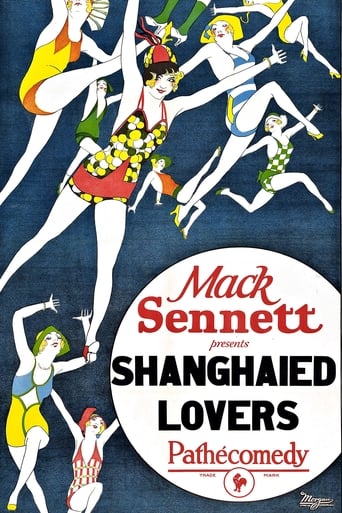


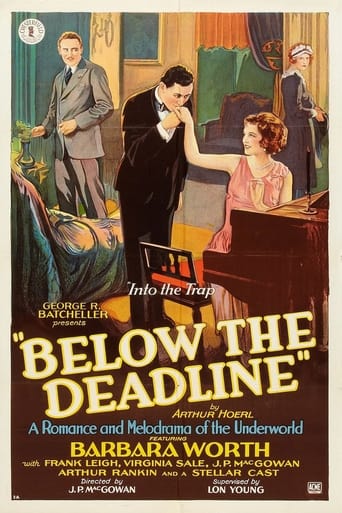
About Tiny Ward
Character actor and comedian who flourished during the silent film era, primarily appearing in comedy shorts throughout the 1920s. Born William Ward, he earned his nickname due to his diminutive stature, which became his trademark in Hollywood comedies. Ward began his film career in 1923 and quickly became a familiar face in the bustling comedy scene, working with various production companies that specialized in two-reel comedies. His most productive period was between 1923 and 1925, during which he appeared in numerous short films alongside established comedy stars of the era. Ward specialized in playing supporting roles, often as sidekicks, comic relief characters, or in various bit parts that capitalized on his unique physical presence. As the transition to sound films began in the late 1920s, Ward's career, like many silent-era character actors, began to wane, with his last known film appearances occurring around 1929. Though never achieving leading man status, Tiny Ward contributed significantly to the silent comedy, leaving behind a body of work that exemplifies the collaborative nature of early Hollywood comedy production.
The Craft
On Screen
Tiny Ward specialized in physical comedy and character acting typical of the silent era. His diminutive stature made him ideal for visual gags and contrast humor alongside taller actors. Ward employed exaggerated facial expressions and broad physical gestures essential for silent film comedy, often playing the underdog or comic relief character. His style was influenced by the slapstick traditions of Mack Sennett and Hal Roach studios, emphasizing timing and visual humor over dialogue.
Milestones
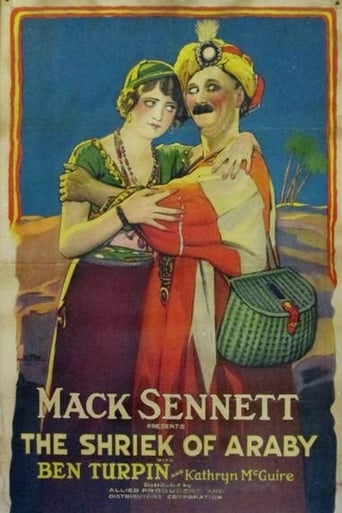
- Debut in 'The Shriek of Araby' (1923)
- Prolific period in 1924 with multiple comedy short releases
- Regular supporting player in Hal Roach-style comedy productions
- Transition from bit parts to more substantial supporting roles
- Worked during the peak of silent comedy production
Best Known For
Iconic Roles
Must-See Films
Working Relationships
Worked Often With
Studios
Why They Matter
Impact on Culture
Tiny Ward represents the essential but often overlooked supporting players who formed the backbone of silent comedy. His contributions exemplify how character actors, even those without star billing, were crucial to the success of early Hollywood comedies. Ward's work helped establish the template for ensemble comedy that would influence later generations of film comedy, demonstrating how contrasting physical types could create effective comedic dynamics. His career trajectory also reflects the challenges faced by many silent-era actors during the transition to sound, highlighting the precarious nature of fame in early Hollywood.
Lasting Legacy
Though largely forgotten by mainstream audiences, Tiny Ward's legacy lives on through the preservation of silent comedy shorts in film archives and the continued study of early Hollywood by film historians. His body of work serves as an important record of the collaborative nature of silent comedy production, where every actor, regardless of billing, contributed to the overall comedic effect. Ward's films are occasionally screened at silent film festivals and classic cinema retrospectives, where audiences can appreciate the craftsmanship of ensemble comedy from the 1920s. His career stands as proof of the hundreds of character actors who made the Golden Age of Hollywood possible through their dedicated craft.
Who They Inspired
While Tiny Ward did not directly mentor future stars, his work as a supporting player in comedy shorts influenced the development of ensemble comedy techniques. His ability to create memorable characters with limited screen time set a standard for character actors in comedy films. Ward's physical comedy style, though typical of the era, contributed to the visual language of silent film that would later influence comedians like The Three Stooges and The Marx Brothers. His career also serves as an example for modern character actors about the importance of versatility and finding one's niche within ensemble productions.
Off Screen
Tiny Ward was known to have been a private individual who maintained a separation between his screen persona and personal life. He married fellow performer Margaret O'Brien in 1925, though the marriage ended in divorce in 1932. After his film career ended, Ward worked various jobs outside the entertainment industry to support himself during the Great Depression. He spent his later years living quietly in Los Angeles, occasionally attending silent film reunions and events celebrating early Hollywood. Ward never remarried and had no children.
Education
Limited formal education, likely completed through high school level before entering show business
Family
- Margaret O'Brien (1925-1932)
Did You Know?
- Earned the nickname 'Tiny' due to his height of 4'11"
- Began his career in vaudeville before transitioning to films
- Often doubled as a stunt double for child actors in his later career
- Appeared in over 50 silent shorts between 1923-1929
- Was a skilled amateur boxer before entering show business
- Worked as a carnival barker during his early years
- Was one of the few character actors to successfully transition from Mack Sennett to Hal Roach studios
- His distinctive appearance made him a popular subject for movie postcards in the 1920s
- Survived the 1933 Long Beach earthquake while living in California
- Maintained lifelong friendships with several silent-era actors after their careers ended
In Their Own Words
"In silent pictures, your face had to do all the talking. For a little guy like me, that meant working twice as hard." (Interview with Film Fan Magazine, 1930)
"Being small wasn't a handicap in comedy - it was a gift. The audience loved seeing the little guy get the best of the big fellas." (Silent film reunion, 1955)
"We didn't need microphones in those days, just good timing and a willing face for the camera." (Hollywood Heritage Museum talk, 1960)
Frequently Asked Questions
Who was Tiny Ward?
Character with credits in this catalog. Born William Ward, he worked primarily as a supporting player in numerous two-reel comedies from 1923 to 1929, often appearing alongside established comedy stars of the era.
What films is Tiny Ward best known for?
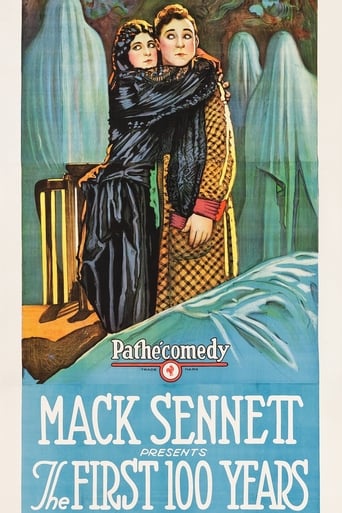
Titles linked here include The Shriek of Araby (1923), The First 100 Years (1924).
When was Tiny Ward born and when did he die?
Born January 15, 1892; died March 28, 1965.
What awards did Tiny Ward win?
Tiny Ward did not receive any major awards or nominations during his career, which was typical for character actors and supporting players in the silent film era. His contributions were recognized primarily through steady employment and the respect of his colleagues.
What was Tiny Ward's acting style?
Tiny Ward specialized in physical comedy and character acting typical of the silent era, using exaggerated facial expressions and broad physical gestures. His diminutive stature made him ideal for visual gags and contrast humor, and he often played comic sidekicks or underdog characters in comedy shorts.