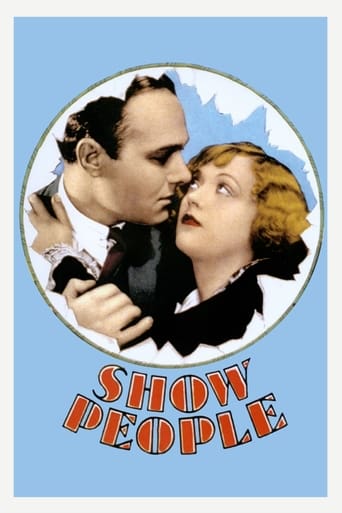
The Extra Girl
"Hollywood mistakes a small-town dreamer"
Keys: Space play/pause · ←/→ 10s · F fullscreen · M mute · </> speed
About this film
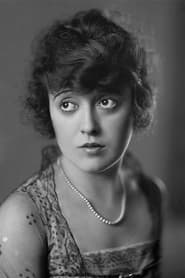
Sue Graham is a small town girl who wants to be a motion picture star. She wins a contract when a picture of a very pretty girl is sent to a studio instead of her picture. When she arrives in Hollywood, the mistake is discovered and she starts working in the props department of t
Cast & crew
More films like this
More Comedy films
View all →







More from F. Richard Jones
View all →

More about this film
About the production
Release dateNovember 1923
Box officeUnknown - box office records from this period are incomplete, but it was considered a moderate success for Normand
ProductionMack Sennett Comedies
Filmed inMack Sennett Studios, Hollywood, California, Various locations around Los Angeles, California
The film was shot on location at the actual Mack Sennett Studios, providing an authentic behind-the-scenes look at early Hollywood production facilities. The props department scenes were filmed in a real studio props department, adding genuine atmosphere to the comedy. Director F. Richard Jones utilized multiple camera techniques that were innovative for the time, including tracking shots during the chase sequences. The production faced some challenges due to Mabel Normand's declining health and reputation following various scandals, but Mack Sennett remained supportive of his longtime collaborator.
Themes
The Hollywood Dream vs. RealitySmall-Town Values in Urban AmericaGender Roles in the WorkplaceAuthenticity vs. DeceptionFamily and Financial Security
Themes & topics
Hollywoodmovie studiomistaken identityprops departmentcon artistsmall town girlchase sequencebehind the scenesinvestment fraudsilent comedy
Historical background
The Extra Girl appeared in 1923, when the late silent period and the transition to sound shaped how movies were financed, distributed, and discussed. Audiences of the day encountered the work amid shifting tastes in acting, pacing, and spectacle. Its focus on sue graham is a small town girl who wants to be a motion picture star mirrors themes circulating in popular culture of that moment.
Why this film matters
The Extra Girl (1923) belongs to the wider archive of world cinema, documenting sue graham is a small town girl who. Archivists and historians value such titles for what they reveal about craft, genre, and audience expectations. Restorations and festival screenings keep the work visible to viewers far beyond its first run.
Making of
The production of 'The Extra Girl' took place during a tumultuous period in Mabel Normand's life and career. Having been one of the biggest comedy stars of the 1910s, Normand's reputation had been damaged by her association with various scandals, including the murder of director William Desmond Taylor, with whom she had been friends. Mack Sennett, who had discovered and mentored Normand, remained loyal and continued to produce vehicles for her. Director F. Richard Jones, a frequent Sennett collaborator, worked carefully to showcase Normand's comedic talents while accommodating her health issues. The film's behind-the-scenes setting allowed the production to utilize the actual Mack Sennett studio lot and facilities, giving audiences an authentic glimpse into early Hollywood filmmaking. The cast and crew reportedly maintained a supportive atmosphere during filming, aware that this might be one of Normand's last major starring roles. The props department sequences were particularly challenging to coordinate, requiring precise timing for the comedy bits involving various movie props and equipment.
What critics said
Press coverage from 1923 is fragmentary for many titles of this vintage; surviving notices for The Extra Girl tend to stress novelty, star power, or topical appeal. Later writing places the picture within its national and generic context, weighing both period conventions and moments that still land for modern viewers. Streaming and disc releases have revived discussion among classic-film audiences.
Did you know?
- This was one of Mabel Normand's final starring roles before her career significantly declined due to health issues and scandals
- Mack Sennett and Mabel Normand had been romantic and professional partners for over a decade before this film
- The film features authentic Hollywood locations and was shot during the transition period when studios were becoming more established
- Several real Hollywood actors make cameo appearances as themselves in the studio scenes
- Normand was one of the few women in early Hollywood to have significant creative control over her films
- The movie satirizes the Hollywood dream machine while simultaneously celebrating it
- This was one of the last films Normand made before being diagnosed with tuberculosis
- The props department scenes contain genuine movie props from other Sennett productions
- The film was released just as the Hollywood studio system was solidifying its power structure
- Normand performed many of her own stunts, including falls and physical comedy sequences
- The con man subplot was based on real cases of Hollywood investment fraud that were common in the 1920s
Awards & recognition
- No major awards were given for this film, as the Academy Awards were not established until 1929
Visual style
The cinematography by Fred Windemere and Herman G. Koefoed employs techniques typical of early 1920s comedy production while incorporating some innovative elements. The film utilizes the newly developing technique of tracking shots during the chase sequences, creating more dynamic movement than static camera placement. The studio scenes benefit from natural lighting supplemented by the artificial lighting equipment actually used in movie production, creating an authentic atmosphere. Close-ups are used strategically to highlight Mabel Normand's expressive facial comedy, a technique that had become standard by this period but is particularly effective here. The contrast between the small-town scenes (shot with softer, more romantic lighting) and the harsher, more industrial lighting of the Hollywood studio backlot effectively reinforces the film's thematic journey. The cinematography also captures the scale of early studio production, with wide shots showing the vastness of the movie sets and backlots.
Innovations
While 'The Extra Girl' was not a groundbreaking technical film, it employed several notable techniques for its time. The film makes effective use of multiple camera angles in the studio scenes, showing the growing sophistication of comedy cinematography. The chase sequences incorporate early tracking shots that follow the action through various studio sets and backlot locations, creating a sense of movement and energy that enhanced the physical comedy. The film also demonstrates the increasing complexity of studio production design, with detailed props and set pieces that add authenticity to the behind-the-scenes setting. The editing by William Hornbeck and Alex Troffey shows the growing refinement of continuity editing in comedy, with precise timing for gags and reactions. The film's preservation of actual studio operations and equipment provides valuable technical documentation of early Hollywood filmmaking practices.
Music
As a silent film, 'The Extra Girl' would have been accompanied by live musical performance during its original theatrical run. The typical score would have been compiled from various classical and popular pieces selected by the theater's music director to match the on-screen action and mood. For small-town scenes, lighter, more pastoral music would have been used, while the Hollywood sequences would have featured more upbeat, jazzy pieces reflecting the modern energy of 1920s Los Angeles. The chase sequences would have been accompanied by frantic, rhythmic music to enhance the comedy. Modern screenings of restored versions often feature newly composed scores by silent film accompanists like Ben Model or Rodney Sauer, who create period-appropriate accompaniment using authentic instrumentation and styles from the 1920s. The original cue sheets, if they exist, would have provided guidance for theater musicians on appropriate musical selections for each scene.
Famous quotes
I may not be the prettiest girl in Hollywood, but I'm the hardest worker in the props department!" - Sue Graham
In the movies, anything can happen - and usually does!" - Studio Manager
My daughter, a movie star! Wait until they hear about this back home!" - Sue's Father
Hollywood isn't just about being beautiful, it's about being useful!" - Sue Graham
Memorable scenes
- The opening sequence where Sue's father mistakenly sends the wrong photograph to the studio, setting up the mistaken identity premise
- Sue's first day in the props department, where she causes chaos while trying to handle various movie props
- The elaborate chase sequence through the studio backlot, with Sue using her props department knowledge to outsmart the criminals
- The scene where Sue's parents arrive in Hollywood and are awestruck by the movie sets
- The climactic confrontation in the studio where Sue exposes the con man during a film shoot
What audiences thought
Audiences in 1923 responded positively to 'The Extra Girl,' with the film performing well in major urban markets. The combination of Mabel Normand's established star power and the film's insider look at Hollywood proved appealing to moviegoers who were increasingly fascinated with the film industry. Rural audiences particularly enjoyed the small-town heroine finding her way in the big city, a theme that resonated with many Americans during the period of great migration to urban centers. The film's humor and physical comedy sequences were especially popular with family audiences. While it didn't achieve the blockbuster status of some of Normand's earlier films, it maintained her popularity with her core fanbase. Modern audiences who have seen the film through screenings at silent film festivals and archives generally appreciate its historical value and Normand's performance, though some find the pacing slower than contemporary comedies.
Film connections
Influenced by
- The earlier Mack Sennett comedies starring Mabel Normand
- Charlie Chaplin's films about Hollywood (which would come later)
- Buster Keaton's 'The Playhouse' (1921) for its behind-the-scenes elements
- Harold Lloyd's films about the everyman succeeding against odds
This film influenced
- Singin' in the Rain (1952) for its Hollywood satire
- The Player (1992) for its insider look at the movie industry
- Ed Wood (1994) for its portrayal of Hollywood dreams
- La La Land (2016) for its Hollywood aspirations theme
Film restoration
The film is preserved in several archives including the Library of Congress and the UCLA Film & Television Archive. While not considered lost, some reels show signs of deterioration typical of nitrate film from this era. A restored version was created by the Museum of Modern Art in the 1990s, combining the best available elements from various archives. The restoration has been screened at silent film festivals and is available for archival viewing. The film's survival is notable given that approximately 75% of silent films are considered lost.
Where to watch
- The Criterion Channel (occasionally featured in silent film collections)
- Kino Lorber DVD/Blu-ray collections of silent comedies
- Screen Archive Online (streaming service specializing in classic films)
- Museum of Modern Art film screenings
- UCLA Film & Television Archive viewing room
- Various silent film festival screenings
- Public domain streaming sites (quality varies)