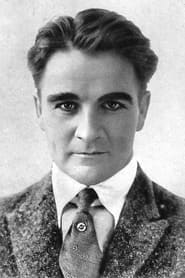
William Desmond
Actor
Born: January 23, 1878 in Dublin, Ireland Died: November 3, 1949 Active: 1915-1948 Birth Name: William Mannion
Films
3 films
About William Desmond
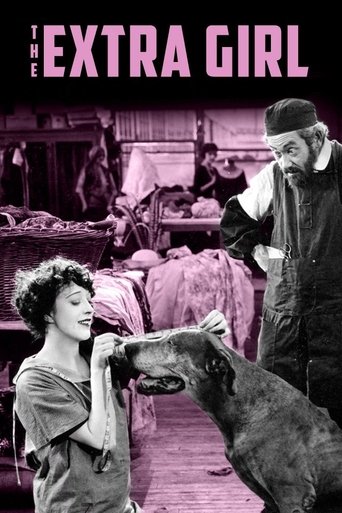
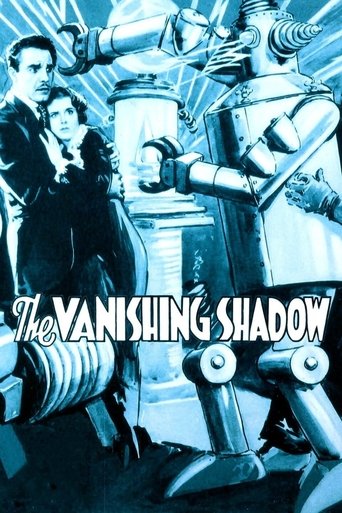
William Desmond, born William Mannion, was a prolific Irish-American actor whose the transition from silent films to early talkies. After immigrating to the United States, he began his film career in 1915 with Universal Studios, quickly establishing himself as a reliable leading man in westerns and adventure serials. Throughout the 1920s, Desmond became one of Universal's most popular stars, appearing in over 100 films during the decade and often playing rugged, heroic characters opposite leading ladies like Laura La Plante. His performance in The Extra Girl (1923) alongside Mabel Normand showcased his versatility in comedy, while his work in numerous western serials cemented his status as a genre star. As the film industry transitioned to sound, Desmond successfully adapted his career, taking on character roles and supporting parts in films like The Vanishing Shadow (1934). He continued working steadily through the 1930s and 1940s, appearing in smaller roles in major productions and maintaining his presence in B-movies and serials. By the time of his death in 1949, Desmond had appeared in over 200 films, leaving behind a substantial legacy as prolific character actors of his era.
The Craft
On Screen
Desmond was known for his naturalistic yet commanding presence on screen, particularly excelling in action-oriented roles. His acting style combined the theatrical expressiveness required for silent films with a grounded authenticity that made him believable as rugged heroes and adventurers. He had a particular talent for physical stunts and horseback riding, which made him especially effective in westerns and adventure serials. In sound films, he adapted his style to more subtle character work, often playing authority figures, ranchers, or paternal roles with a warm, dependable quality.
Milestones
- Signed with Universal Studios in 1915
- Starred in over 100 films during the 1920s
- Successfully transitioned from silent films to talkies
- Appeared in The Extra Girl (1923) with Mabel Normand
- Featured in The Vanishing Shadow (1934) serial
- Worked as a freelance character actor in the 1930s-40s
- Accumulated over 200 film credits in his career
Best Known For
Iconic Roles
Must-See Films
Accolades
Special Recognition
- Hollywood Walk of Fame star (located at 6333 Hollywood Blvd)
Working Relationships
Worked Often With
Studios
Why They Matter
Impact on Culture
William Desmond's career represents the typical journey of many character actors during Hollywood's formative decades, embodying the transition from the spectacle-driven silent era to the dialogue-focused sound period. His prolific work in westerns and serials helped establish many of the genre conventions that would define American cinema for decades. As an Irish immigrant who achieved success in Hollywood, he contributed to the diverse tapestry of early American film, representing the melting pot nature of the industry. His ability to adapt to changing technologies and audience preferences demonstrated the resilience required for longevity in the rapidly evolving film business of the early 20th century.
Lasting Legacy
William Desmond's lasting legacy lies in his substantial contribution to the western and adventure serial genres, where he helped establish archetypal characters and storytelling techniques. His filmography serves as a valuable record of the evolution of American cinema from the silent era through the golden age of Hollywood. While never achieving the superstar status of contemporaries like Tom Mix or Hoot Gibson, Desmond's consistent work ethic and versatility made him an invaluable presence in hundreds of productions. His career exemplifies the journey of the working actor in classic Hollywood, demonstrating how talent, adaptability, and perseverance could lead to a decades-long career in the competitive film industry.
Who They Inspired
Desmond influenced subsequent generations of character actors through his demonstrated ability to transition between leading roles and supporting parts as his career evolved. His work in western serials helped establish templates for heroic characters that would be emulated by countless actors in following decades. Younger actors who worked with him often cited his professionalism and willingness to share knowledge as formative influences on their own careers. His successful navigation of the sound transition provided a model for other silent film actors facing the same technological and artistic challenges.
Off Screen
William Desmond was married to actress Mary McIvor, with whom he frequently co-starred in silent films. The couple had one daughter together, who also briefly pursued an acting career. After retiring from films in the late 1940s due to declining health, Desmond lived quietly in Los Angeles, where he was remembered by colleagues as a generous and professional presence on set. He was known for his dedication to his craft and his willingness to help younger actors navigate the challenges of the film industry.
Education
Limited formal education; trained in theater before entering films
Family
- Mary McIvor (1920-1949)
Did You Know?
- Changed his professional name from William Mannion to William Desmond early in his career
- Appeared in over 200 films during his 33-year career
- Was an accomplished horseman who performed many of his own stunts
- Served in the United States Army before beginning his acting career
- His Hollywood Walk of Fame star is located at 6333 Hollywood Blvd
- Often worked with his wife Mary McIvor in films during the 1920s
- Was one of Universal Pictures' most reliable contract players during the silent era
- Successfully made the transition from leading man to character actor in the 1930s
- Known among colleagues for his Irish wit and storytelling abilities
- Continued working in films even after suffering a serious injury in the early 1940s
In Their Own Words
In pictures, you have to learn to think with your eyes and feel with your heart - that's the secret of silent acting.
The western isn't just about cowboys and Indians; it's about the American spirit of adventure and independence.
Every actor, whether you're the star or have just one line, owes the audience their best performance.
Frequently Asked Questions
Who was William Desmond?
Prolific Irish-American with credits in this catalog. He was particularly known for his work in westerns and adventure serials during the silent era, successfully transitioning to character roles in sound films.
What films is William Desmond best known for?
Titles linked here include The Extra Girl (1923), The Vanishing Shadow (1934).
When was William Desmond born and when did he die?
Born January 23, 1878; died November 3, 1949.
What awards did William Desmond win?
While William Desmond did not receive major acting awards during his career, he was honored with a star on the Hollywood Walk of Fame at 6333 Hollywood Blvd in recognition of his contributions to the film industry.
What was William Desmond's acting style?
Desmond was known for his naturalistic yet commanding presence, excelling in action-oriented roles with authentic physical performances. In silent films, he combined theatrical expressiveness with grounded realism, while in sound films he adapted to subtle character work, often playing dependable authority figures.