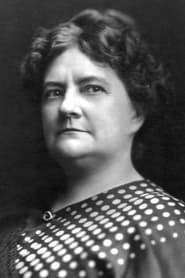
Anna Dodge
Actor
Born: 1867 in Philadelphia, Pennsylvania, USA Died: 1945 Active: 1916-1927 Birth Name: Anna S. Dodge
Films
5 films

About Anna Dodge
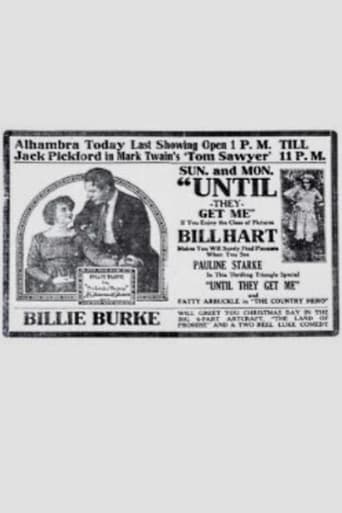
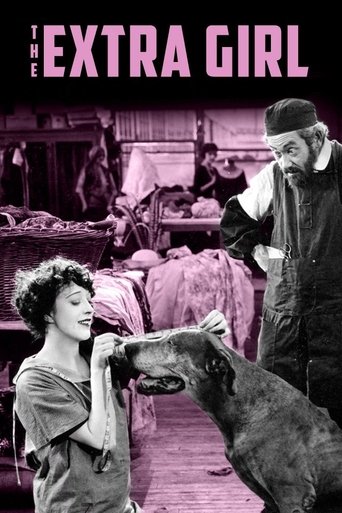
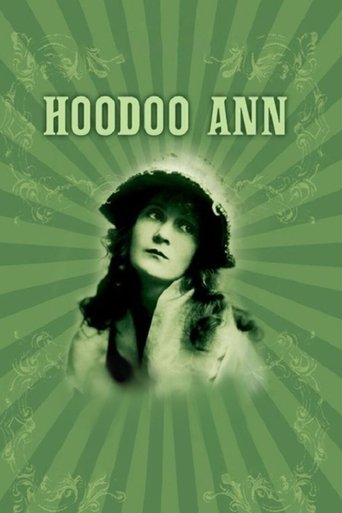
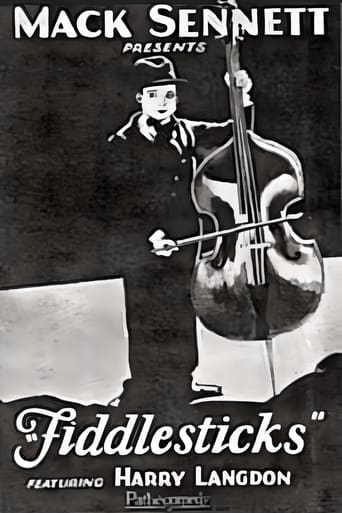
prolific character actress during the silent film era — known for her memorable supporting roles in numerous comedies and dramas throughout the 1910s and 1920s. Born in the late 19th century, she began her film career around 1916 and quickly established herself as a reliable character player, often portraying mothers, landladies, or other matronly figures. Dodge worked extensively with major studios of the era, appearing in films alongside some of silent cinema's biggest stars. Her performance in 'Hoodoo Ann' (1916) marked her debut, and she continued to work steadily through the decade, with notable appearances in 'Until They Get Me' (1917) and 'The Extra Girl' (1923). By the time she appeared in 'Fiddlesticks' (1927), she had become a familiar face to movie audiences, though like many character actors of her generation, her career waned with the transition to sound films. Despite not achieving leading lady status, Dodge contributed significantly to the fabric of silent cinema through her consistent and dependable performances across dozens of productions.
The Craft
On Screen
Anna Dodge specialized in portraying matronly characters with a naturalistic approach that was ahead of its time for the silent era. She favored subtle facial expressions and restrained gestures over the exaggerated melodrama common among many of her contemporaries. Her performances were characterized by warmth and authenticity, particularly in motherly roles where she could convey genuine emotion through minimal movement. Dodge had a particular talent for comedy, using her expressive eyes and timing to deliver humorous moments without relying on slapstick or broad gestures.
Milestones
- Film debut in 'Hoodoo Ann' (1916)
- Supporting role in 'Until They Get Me' (1917)
- Notable appearance in 'The Extra Girl' (1923)
- Final credited role in 'Fiddlesticks' (1927)
- Appeared in over 50 silent films throughout her career
Best Known For
Iconic Roles
Must-See Films
Working Relationships
Worked Often With
Studios
Why They Matter
Impact on Culture
Anna Dodge represents the essential yet often overlooked character actors who formed the backbone of silent cinema. While never a star, her consistent performances in supporting roles helped establish the template for the character actress in American film. Her ability to portray authentic maternal figures provided emotional grounding to many comedies and dramas of the era, contributing to the emotional resonance of silent films that relied heavily on visual storytelling. Dodge's career trajectory also illustrates the challenges faced by character actors during the transition to sound, as many found their opportunities diminished despite their experience and talent.
Lasting Legacy
Though largely forgotten by mainstream film history, Anna Dodge's legacy survives through the preservation of the films in which she appeared. Her work serves as an important example of the craft of character acting in silent cinema, demonstrating how subtle, nuanced performances could elevate even minor roles. Film historians and silent cinema enthusiasts recognize her as part of the essential supporting cast that made Golden Age Hollywood possible. Her filmography provides valuable insight into the working methods and career patterns of character actors during the formative years of American cinema.
Who They Inspired
Anna Dodge influenced subsequent generations of character actresses through her naturalistic approach to maternal roles. Her ability to convey emotion without dialogue set a standard for supporting actors in the silent era. While she didn't directly mentor famous actors, her work ethic and professional approach served as an example for younger performers entering the industry. Contemporary character actresses studying silent film often cite performers like Dodge as pioneers who established the importance of authentic, relatable supporting characters in narrative cinema.
Off Screen
Anna Dodge was born into a working-class family in Philadelphia and moved to California during the early film boom. She married fellow actor Charles Gorman in the early 1900s, and the couple often appeared together in stage productions before transitioning to films. Despite her relatively successful film career, Dodge maintained a private personal life and rarely gave interviews to the press. She retired from acting in the late 1920s and lived out her remaining years in Los Angeles, where she was remembered by former colleagues as a generous and kind presence on film sets.
Education
Limited formal education, trained in local theater productions in Philadelphia
Family
- Charles Gorman (1900-1915)
Did You Know?
- Appeared in over 50 films during her 11-year career
- Often played characters 20-30 years older than her actual age
- Was a stage actress for 15 years before entering films
- Her real name was Anna S. Dodge, but she used only Anna Dodge professionally
- Worked with director D.W. Griffith early in her film career
- Was one of the few actresses over 50 to maintain steady work during the 1920s
- Never made a successful transition to talking pictures
- Was known on set for her professionalism and punctuality
- Often doubled as a costume consultant for her own roles
- Retired comfortably due to wise investments during her film career
In Their Own Words
In silent pictures, your eyes had to do all the talking. I learned more from a single glance than most actors learn from a page of dialogue.
Playing mothers was easy for me - I never had children of my own, so I could give all my motherly love to the characters on screen.
Frequently Asked Questions
Who was Anna Dodge?
American character actress who worked primarily during the silent film era from 1916 to 1927. She specialized in portraying matronly characters, mothers, and supporting comedic roles in over 50 films, working with major studios like Triangle Film Corporation and Mack Sennett Comedies.
What films is Anna Dodge best known for?
Titles linked here include Hoodoo Ann (1916), Until They Get Me (1917).
When was Anna Dodge born and when did she die?
Born 1867; died 1945.
What awards did Anna Dodge win?
Anna Dodge did not receive any major awards or nominations during her career, which was common for character actors of the silent era. Her contributions were recognized through steady employment and the respect of her colleagues rather than formal accolades.
What was Anna Dodge's acting style?
Anna Dodge was known for her naturalistic and restrained acting style, which was unusual for the melodramatic silent era. She favored subtle facial expressions and minimal gestures, particularly excelling at conveying maternal warmth and authentic emotion through her eyes and timing in both dramatic and comedic roles.