Jean Arthur
Actor
Born: October 17, 1900 in Plattsburgh, New York, USA Died: June 19, 1991 Active: 1925-1953 Birth Name: Gladys Georgianna Greene
Films
10 films


About Jean Arthur
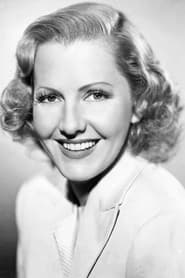
Jean Arthur, born Gladys Georgianna Greene, was an American actress who became one of Hollywood's most distinctive and beloved stars during the Golden Age. She began her career in silent films in the early 1920s, initially appearing in small roles and shorts before transitioning to talkies with her unique husky voice that became her trademark. Her breakthrough came in the mid-1930s when she signed with Columbia Pictures and developed her signature screen persona as a witty, intelligent, and slightly eccentric heroine. Arthur became Frank Capra's favorite actress, starring in his classics 'You Can't Take It With You' (1938) and 'Mr. Smith Goes to Washington' (1939), which cemented her status as one of America's top box office draws. Throughout the 1940s, she continued to deliver memorable performances in both screwball comedies and dramatic films, earning an Academy Award nomination for 'The More the Merrier' (1943). After her final film appearance in 'Shane' (1953), Arthur largely retired from acting, though she made occasional returns to television and Broadway. She spent her later years teaching drama at Vassar College and the University of North Carolina, maintaining her famously private lifestyle until her death in 1991.
The Craft
On Screen
Jean Arthur was renowned for her distinctive screen presence combining intelligence, wit, and vulnerability. Her unique husky voice, the result of a childhood throat operation, became one of her most recognizable trademarks and set her apart from other actresses of her era. Arthur excelled at playing strong, independent women who could hold their own against male leads while maintaining feminine charm and impeccable comedic timing. Her acting style was naturalistic yet stylized, with a remarkable ability to deliver rapid-fire dialogue with perfect comic precision while conveying deep emotional complexity through subtle gestures and expressive eyes. She was particularly adept at the screwball comedy genre, where her ability to portray sophisticated, fast-talking characters made her a favorite of directors like Frank Capra and George Stevens.
Milestones
- Breakthrough role in 'The Whole Town's Talking' (1935)
- Becoming Columbia Pictures' top female star under Harry Cohn
- Starring in Frank Capra's 'You Can't Take It With You' (1938)
- Iconic performance in 'Mr. Smith Goes to Washington' (1939)
- Academy Award nomination for 'The More the Merrier' (1943)
- Final film role in the classic Western 'Shane' (1953)
- Broadway debut in 'Born Yesterday' (1946)
- Teaching drama at Vassar College and UNC in later years
Best Known For
Iconic Roles
Must-See Films
Accolades
Won
- New York Film Critics Circle Award for Best Actress for 'The More the Merrier' (1943)
Nominated
- Academy Award nomination for Best Actress for 'The More the Merrier' (1943)
Special Recognition
- Hollywood Walk of Fame star at 6356 Hollywood Blvd
- AFI's Greatest American Screen Legends ranking
- Inducted into the Western Performers Hall of Fame for 'Shane'
Working Relationships
Worked Often With
Studios
Why They Matter
Impact on Culture
Jean Arthur's impact on American cinema was transformative, particularly in establishing the archetype of the intelligent, witty, independent female lead in both screwball comedies and dramatic films. Her unique vocal quality and naturalistic acting style influenced generations of actresses who followed, demonstrating that women could be both feminine and intellectually formidable on screen. Arthur helped define the 'Capraesque heroine' - a woman of principle and intelligence who could be both romantic and politically aware, contributing significantly to films that addressed important social themes like democracy and integrity. Her success in maintaining creative control and strong box office appeal well into her 40s challenged Hollywood's ageist tendencies and paved the way for more mature actresses to remain viable leading ladies. Beyond her artistic contributions, Arthur's career trajectory from silent films to talkies to television and theater exemplified the adaptability required for longevity in the entertainment industry.
Lasting Legacy
Jean Arthur's legacy endures through her iconic performances that continue to be celebrated in film retrospectives, classic cinema programming, and academic study of Hollywood's Golden Age. She is remembered as. Her influence can be seen in later actresses who combined comedic timing with dramatic depth, from Doris Day to Diane Keaton. Arthur's work with Frank Capra helped establish the screwball comedy as a uniquely American genre, and her performances remain masterclasses in subtle, intelligent screen acting. The preservation and continued appreciation of her films ensure that new generations continue to discover her unique talent, while her teaching career extended her influence beyond the screen to directly mentor future performers.
Who They Inspired
Jean Arthur influenced countless actors with her naturalistic approach to comedy and her ability to convey complex emotions through subtle gestures and vocal inflections. Her success in both comedy and drama demonstrated the versatility that became the standard for serious film actors. Directors like Preston Sturges and Howard Hawks incorporated elements of her style into their own films featuring strong female characters. Modern actresses who specialize in intelligent comedy, from Julia Roberts to Emma Stone, owe a debt to Arthur's work in establishing the smart, funny leading lady as a bankable star. Her teaching career at prestigious universities directly influenced a new generation of performers, extending her impact beyond her own performances to shape the future of American acting.
Off Screen
Jean Arthur was famously private and reclusive throughout her life, rarely giving interviews and avoiding the Hollywood social scene despite her immense popularity. Despite her warm, approachable on-screen persona, colleagues often described her as difficult and temperamental on set, driven by perfectionism. Arthur never had children and was married twice, with both marriages ending in divorce. She spent her later years in relative seclusion in Carmel, California, where she found fulfillment teaching drama at Vassar College from 1968-1972 and later at the University of North Carolina. Her intensely private nature in later life only added to her mystique as one of Hollywood's most enigmatic and beloved stars, with her legacy defined primarily by her remarkable body of work rather than her personal life.
Education
Attended public schools in New York, briefly studied at Columbia University before pursuing acting career
Family
- Julius Anson (1928-1929, divorced)
- Frank Ross (1932-1949, divorced)
Did You Know?
- Her distinctive husky voice was the result of a throat operation she had as a young woman
- She was notoriously camera-shy and refused to give interviews for most of her career
- Frank Capra considered her his favorite actress to work with
- She turned down the role of Scarlett O'Hara in 'Gone With the Wind'
- She was the first choice to play Margo Channing in 'All About Eve' but declined
- Her real name was Gladys Georgianna Greene but she legally changed it to Jean Arthur
- She was a licensed pilot and enjoyed flying
- She taught drama at Vassar College for several years in the 1960s
- She was paid $3,000 per week at the height of her fame
- She refused to attend her own Hollywood Walk of Fame star ceremony
- She was so reclusive that even her neighbors didn't know who she was in her later years
- Her final film 'Shane' was released when she was 52 years old, unusual for a leading lady of that era
In Their Own Words
I don't think Hollywood is the place to be yourself. The individual ought to find herself somewhere else.
I'm not a Hollywood star. I'm a New York actress. Hollywood is a place you go to make pictures.
I'm essentially a recluse. I'm a shy person. I've always been shy.
I don't like being photographed. I don't like being looked at.
I'm not a star. I'm an actress. Stars are people who are famous for being famous. I'm famous for my work.
Acting is not about being someone different. It's finding the similarity in what is apparently different, then finding myself in there.
Frequently Asked Questions
Who was Jean Arthur?
Celebrated American actress known for her distinctive husky voice and iconic roles in classic Hollywood films of the 1930s and 1940s. She became Columbia Pictures' biggest female star and was particularly famous for her collaborations with director Frank Capra. Arthur was renowned for her performances in screwball comedies and dramatic roles that showcased her unique blend of wit, intelligence, and vulnerability.
What films is Jean Arthur best known for?
Titles linked here include Mr. Smith Goes to Washington (1939), You Can't Take It With You (1938).
When was Jean Arthur born and when did she die?
Born October 17, 1900; died June 19, 1991.
What awards did Jean Arthur win?
Jean Arthur received an Academy Award nomination for Best Actress for 'The More the Merrier' (1943) and won the New York Film Critics Circle Award for Best Actress for the same performance. Although she was nominated for an Oscar three times during her career, she never won the Academy Award. She was honored with a star on the Hollywood Walk of Fame and has been recognized in AFI's lists of greatest American screen legends.
What was Jean Arthur's acting style?
Jean Arthur was known for her naturalistic yet distinctive acting style characterized by her husky voice, rapid-fire comedic timing, and ability to convey both intelligence and vulnerability. She excelled at playing strong, independent women who could hold their own against male leads while maintaining feminine charm. Her performances were marked by subtle gestures, expressive eyes, and a unique ability to balance screwball comedy with heartfelt dramatic moments.
Why was Jean Arthur so reclusive?
Jean Arthur was intensely private and reclusive by nature, often refusing interviews and avoiding Hollywood social events. She was notoriously camera-shy and preferred to let her work speak for itself. This reclusiveness only added to her mystique and made public appearances rare, though she did occasionally teach drama at colleges in her later years.
Did Jean Arthur work with Frank Capra?
Yes, Jean Arthur had a highly successful collaboration with director Frank Capra, starring in three of his most acclaimed films: 'You Can't Take It With You' (1938), 'Mr. Smith Goes to Washington' (1939), and 'Meet John Doe' (1941). Capra considered Arthur his favorite actress and helped establish her as Columbia Pictures' top female star through these landmark films that defined the 'Capraesque' style of American cinema.