
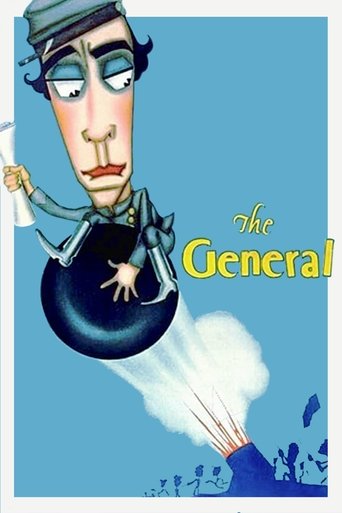
Seven Chances
"Struggling stockbroker Jimmie Shannon learns that, if he gets married by 7 p.m."
Keys: Space play/pause · ←/→ 10s · F fullscreen · M mute · </> speed
About this film
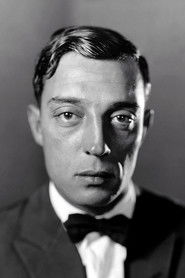
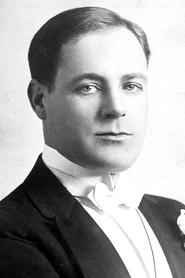
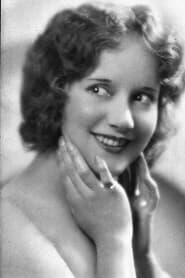
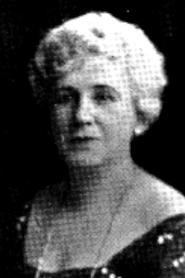
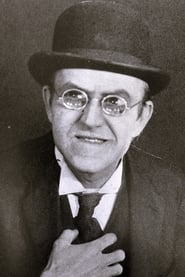
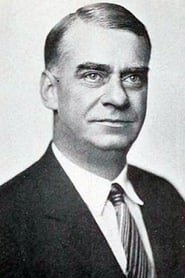
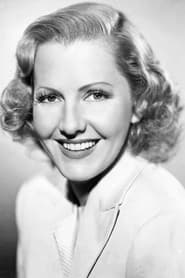
Roy Barnes, Snitz Edwards, and Ruth Dwyer. Struggling stockbroker Jimmie Shannon learns that, if he gets married by 7 p.m. on his 27th birthday -- which is today -- he'll inherit $7 million from an eccentric relative. Additional cast members include T.
Cast & crew
More films like this
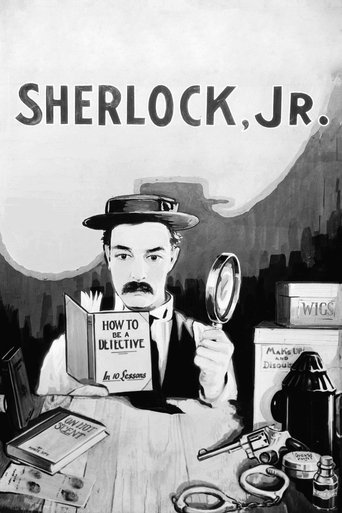
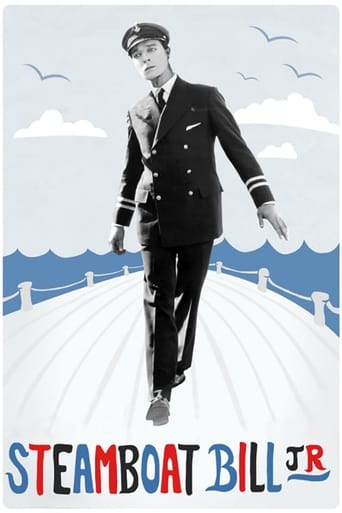
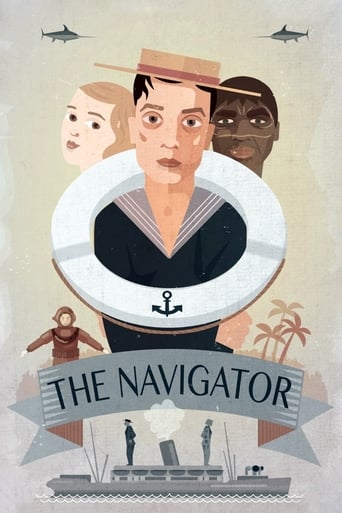
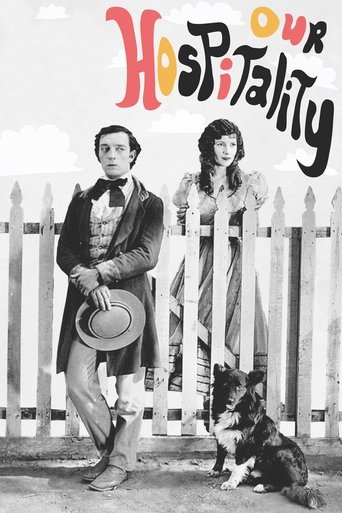

More Comedy films
View all →






More from Buster Keaton
View all →

More about this film
About the production
Release dateSeptember 26, 1925
BudgetApproximately $250,000 (typical for Keaton productions of this era)
Box officeModerately successful but not one of Keaton's biggest hits; exact figures not well-preserved
ProductionBuster Keaton Productions, Metro-Goldwyn-Mayer (distributor)
Filmed inLos Angeles, California, Hollywood Hills, Burbank, California
The film was based on a 1916 stage play by David Belasco. The iconic rock avalanche sequence was filmed using real boulders and required dangerous stunt work. Keaton performed many of his own stunts, including running down the hillside while being pursued by the rolling rocks. The film required extensive location shooting for the chase sequence, which was unusual for Keaton's typically studio-bound productions. Over 700 women were used as extras for the final mob scene.
Themes
The American Dream and pursuit of wealthCommercialization of marriage and romanceConflict between love and moneySocial pressure and conformityTime and urgency
Themes & topics
InheritanceDeadlineMarriage proposalChase sequenceStock marketMistaken identityNewspaper adRock avalancheRomantic comedyPhysical comedySilent filmBuster Keaton1920sWealthGreedSocial pressureTime limitWeddingLawyerMob scene
Historical background
Made in 1925, in United States, under Buster Keaton, Seven Chances belongs to romantic comedy filmmaking amid the silent era's rapid stylistic experiments. Seven Chances is a 1925 American silent comedy film directed by and starring Buster Keaton, based on the play of the same name by Roi Cooper Megrue, produced in 1916 by David Belasco.
Why this film matters
Within romantic comedy history, Buster Keaton's name attaches to the work; surviving prints help researchers study silent-era craft; 1925 film by Buster Keaton.
Making of
The production of 'Seven Chances' faced several challenges, particularly with the ambitious chase sequence that forms the film's climax. Keaton and his team spent weeks scouting locations for the perfect hillside where they could stage the rock avalanche. The boulders were carefully selected and tested to ensure they would roll convincingly without posing too much danger to the performers. Despite precautions, Keaton still risked serious injury during the filming of this sequence. The production also faced difficulties coordinating the massive crowd of women for the final chase scene, requiring extensive planning and multiple takes to get the timing right. Keaton's meticulous attention to detail extended to every aspect of the production, from the precise timing of gags to the composition of each shot. The film was one of Keaton's most technically challenging productions, pushing the boundaries of what was possible in silent comedy filmmaking.
What critics said
Contemporary reviews of Seven Chances are sparse in open sources; later catalog entries chiefly summarize plot and credits.
Did you know?
- The film was based on a 1916 stage play by David Belasco, which Keaton adapted for his own comedic style
- The famous rock avalanche sequence was filmed with real boulders, making it among the leading dangerous stunts in silent film history
- Keaton performed nearly all his own stunts, including the treacherous run down the hillside while being pursued by rocks
- The film features over 700 women in the final chase scene, all responding to a newspaper ad about the $7 million inheritance
- This was one of Keaton's last independent productions before he signed with MGM, which would later restrict his creative control
- The film's title 'Seven Chances' refers both to the 7 PM deadline and the seven chances Jimmie has to find a bride
- The newspaper ad scene was inspired by real-life 'marriage ads' that were common in newspapers during the 1920s
- Keaton's character works as a stockbroker, reflecting the booming economy of the Roaring Twenties before the 1929 crash
- The film's success led to several remakes, including a 1999 version starring Chris O'Donnell
- The original ending had Keaton getting married at the last second, but test audiences preferred a more dramatic race to the finish
Awards & recognition
- Selected for preservation in the National Film Registry in 2008
Visual style
The cinematography in 'Seven Chances' was handled by Elgin Lessley and Byron Houck, Keaton's regular cameramen who understood his unique visual needs. The film employs a variety of innovative camera techniques, particularly in the famous chase sequence, where multiple cameras were used to capture the rock avalanche from different angles. The cinematography emphasizes Keaton's physical comedy through careful framing and timing, ensuring that every gag lands with maximum impact. The use of location shooting for the climax was relatively unusual for Keaton productions and required the cinematographers to adapt to natural lighting conditions. The film also features some impressive tracking shots, particularly during the chase scenes, which were technically challenging to achieve in 1925. The visual style balances the intimacy of the romantic scenes with the epic scale of the action sequences, creating a dynamic visual experience that keeps viewers engaged throughout.
Innovations
'Seven Chances' showcased several technical innovations that were groundbreaking for its time. The most significant achievement was the execution of the rock avalanche sequence, which required precise timing, multiple cameras, and dangerous practical effects. The film's use of location shooting for extended sequences was relatively innovative for a comedy, which typically relied more on controlled studio environments. Keaton and his team developed new techniques for safely rolling the boulders while maintaining the illusion of danger, including specially designed ramps and carefully calculated trajectories. The film also features some impressive editing techniques, particularly in the chase sequences, where rapid cuts between different camera angles create a sense of urgency and chaos. The coordination of hundreds of extras for the final mob scene demonstrated advanced production management skills for the era. These technical achievements contributed to the film's lasting influence on action comedy filmmaking.
Music
As a silent film, 'Seven Chances' was originally accompanied by live musical performances in theaters, typically featuring a piano or organ. The score would have been compiled from existing classical pieces and popular songs of the era, with cues provided by the studio for specific scenes. Modern restorations of the film have featured newly composed scores by contemporary silent film composers, including works by Carl Davis and the Mont Alto Motion Picture Orchestra. These modern scores attempt to capture the spirit of 1920s music while enhancing the film's emotional beats and comic timing. The original musical cues emphasized the romantic elements with waltzes and the action sequences with more dramatic, percussive music. The soundtrack's role in silent film was crucial for setting the tone and guiding audience emotions, and 'Seven Chances' would have relied heavily on its musical accompaniment to enhance both the comedy and the romance.
Famous quotes
Seven million dollars! But there's a catch
You must be married by seven o'clock tonight
I've got to get married by seven o'clock or lose seven million dollars
Wanted: A bride. Must be willing to marry immediately. Seven million dollars reward
Seven o'clock - and not a bride in sight
Memorable scenes
- The iconic rock avalanche chase sequence where Keaton runs down a hillside pursued by hundreds of rolling boulders of increasing size. This masterful sequence combines incredible stunt work, perfect timing, and escalating danger to create one of cinema's most thrilling comedic moments. The scene begins with small rocks and gradually builds to massive boulders, with Keaton narrowly avoiding each one through athletic prowess and quick thinking. The sequence culminates with Keaton leaping into a moving car at the last second, only to realize he's going in the wrong direction.
What audiences thought
Contemporary audiences in 1925 generally responded well to 'Seven Chances,' though it wasn't as popular as some of Keaton's other films of the period. The combination of romantic comedy and spectacular action appealed to broad audiences, and the film's relatively short runtime made it an accessible entertainment option. The chase sequence, in particular, drew enthusiastic responses from theater-goers, who were amazed by the sheer scale and danger of the stunts. Over time, the film has developed a cult following among classic film enthusiasts, with many considering it one of Keaton's most entertaining works. Modern audiences often appreciate the film's timeless humor and the impressive physical comedy that doesn't rely on dialogue. The film's themes of love and money continue to resonate with contemporary viewers, contributing to its enduring popularity.
Film connections
Influenced by
- David Belasco's 1916 stage play of the same name
- Mack Sennett's chase comedies
- Harold Lloyd's thrill comedies
- Charlie Chaplin's blend of pathos and physical comedy
- Stage farce tradition
- American vaudeville routines
- Silent film romantic comedy genre
This film influenced
- The Graduate (1967)
- Runaway Bride (1999)
- Seven Chances (1999 remake)
- Brewster's Millions (various versions)
- Modern chase comedies
- Deadline-driven romantic comedies
Film restoration
The film has been preserved by the Library of Congress and was selected for inclusion in the National Film Registry in 2008. Several high-quality restorations exist, including versions by The Criterion Collection and various film archives. The film survives in complete form with all major sequences intact, though some versions vary slightly in runtime due to different editing choices. The original camera negative has been preserved, allowing for high-quality digital restorations that showcase the film's impressive cinematography and stunt work.
Where to watch
- The Criterion Channel (streaming)
- Blu-ray/DVD from The Criterion Collection
- Kino Lorber home video releases
- YouTube (public domain versions, quality varies)
- Turner Classic Movies (occasionally broadcasts)
- Educational streaming services
- Film archive screenings with live accompaniment