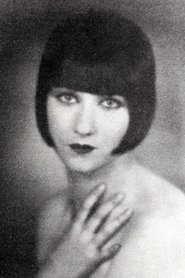
Rosalind Byrne
Actor
Born: April 29, 1900 in Philadelphia, Pennsylvania, USA Died: December 31, 1974 Active: 1925-1928
Films
3 films
About Rosalind Byrne
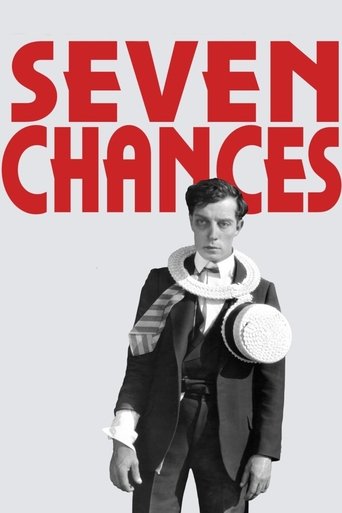
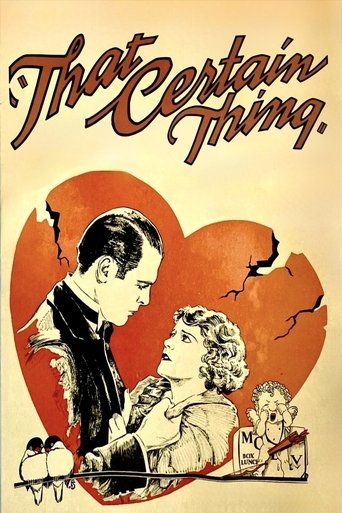
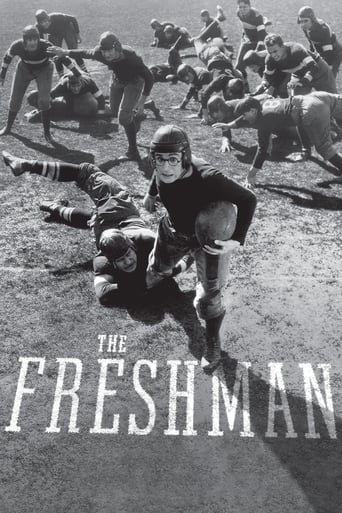
American actress who flourished briefly during the golden age of silent comedy in the mid-1920s. She gained recognition primarily through her collaborations with comedy genius Buster Keaton, appearing in some of his most celebrated films. Her debut came in 1925 with a role in Keaton's 'Seven Chances,' where she played one of the many prospective brides pursuing the protagonist. That same year, she appeared in 'The Freshman,' another Keaton classic that showcased her ability to hold her own in comedic situations. In 1928, she took a role in 'That Certain Thing,' demonstrating her versatility beyond the Keaton productions. Despite her promising start and natural screen presence, Byrne's film career was remarkably brief, spanning only four years before she seemingly vanished from the silver screen. Her disappearance from Hollywood records remains somewhat mysterious, as many supporting players from the silent era transitioned to talkies or left the industry entirely.
The Craft
On Screen
As a supporting actress in silent comedies, Byrne employed the expressive physical style characteristic of the era, using facial expressions and body language to convey emotion and humor. Her performances were naturalistic yet exaggerated enough to register clearly on screen, a technique essential for silent film actors. She demonstrated particular skill in reaction shots, providing comedic counterpoint to the main performers' antics.
Milestones
- Film debut in Buster Keaton's 'Seven Chances' (1925)
- Appearance in the classic comedy 'The Freshman' (1925)
- Supporting role in 'That Certain Thing' (1928)
- Collaboration with Buster Keaton during his peak creative period
Best Known For
Iconic Roles
Must-See Films
Working Relationships
Worked Often With
Studios
Why They Matter
Impact on Culture
Rosalind Byrne represents the countless talented supporting players who contributed to the magic of silent cinema without achieving lasting fame. Her appearances in landmark Buster Keaton films place her within the context of one of cinema's most creative periods, even if her individual contributions were relatively small. As part of the ensemble that brought these classic comedies to life, she helped shape the visual language of silent film comedy that would influence generations of filmmakers.
Lasting Legacy
While Rosalind Byrne did not achieve the lasting recognition of leading stars of her era, her work survives as part of some of the most celebrated films of the silent period. Her performances in 'Seven Chances' and 'The Freshman' continue to be viewed by audiences worldwide, preserving her contribution to cinema history. She serves as a reminder of the collective effort behind classic films, where every actor, no matter how small the role, contributed to the overall artistic achievement.
Who They Inspired
As a supporting actress in influential comedies, Byrne's work contributed to the development of ensemble comedy techniques in silent film. Her ability to provide effective reactions and support to lead performers helped establish patterns that would become standard in film comedy. While she did not directly mentor other actors, her performances in these classic films serve as examples for actors studying the techniques of silent film comedy.
Off Screen
Very little is documented about Rosalind Byrne's personal life, which was common for supporting actors of the silent era who did not achieve star status. Like many character actors of her time, she maintained a relatively private existence outside of her film work. Her brief career suggests she may have pursued other interests or returned to her hometown after her Hollywood stint ended.
Did You Know?
- Appeared in two of Buster Keaton's most famous films in the same year (1925)
- Her entire film active years covered only four years
- Like many silent film actors, she did not successfully transition to talkies
- Her role in 'Seven Chances' was one of many actresses playing brides chasing Buster Keaton
- She worked during what many consider Buster Keaton's peak creative period (1924-1928)
- Very little biographical information exists about her life outside of her film appearances
- Her films are now considered classics of silent cinema and are preserved in film archives
- She was part of the MGM stable of actors during her brief career
- Her disappearance from film records after 1928 reflects the fate of many silent era supporting players
Frequently Asked Questions
Who was Rosalind Byrne?
American actress who worked in silent films during the mid-1920s, primarily known for her supporting roles in Buster Keaton comedies including 'Seven Chances' and 'The Freshman'.
What films is Rosalind Byrne best known for?
Titles linked here include Seven Chances (1925), The Freshman (1925).
When was Rosalind Byrne born and when did she die?
Born April 29, 1900; died December 31, 1974.
What awards did Rosalind Byrne win?
There are no recorded awards or nominations for Rosalind Byrne, which was common for supporting actors in the silent film era.
What was Rosalind Byrne's acting style?
Byrne employed the expressive physical style characteristic of silent film actors, using facial expressions and body language to convey emotion and provide comedic support to lead performers.
Why did Rosalind Byrne's career end so quickly?
Like many supporting actors of the silent era, Byrne's career ended with the transition to sound films, and she appears to have left the industry entirely by 1928.