
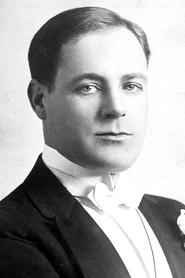
T. Roy Barnes
Actor
Born: August 20, 1880 in De Soto, Iowa, USA Died: April 30, 1937 Active: 1915-1932 Birth Name: Thomas Roy Barnes
Films
6 films

About T. Roy Barnes
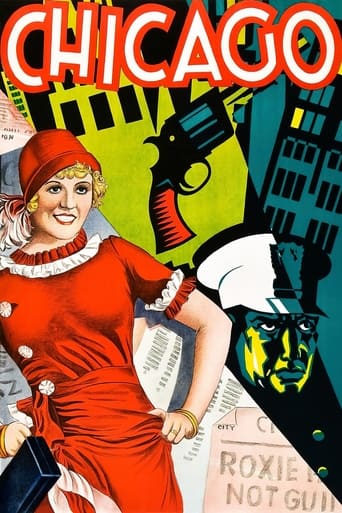
Thomas Roy Barnes — American character actor who flourished during the silent film era and transitioned into early talkies. Born in Iowa in 1880, Barnes began his film career in the mid-1910s, quickly establishing himself as a reliable supporting actor known for his distinctive appearance and versatile character portrayals. He worked prolifically throughout the 1920s, appearing in over 80 films and collaborating with some of Hollywood's most prominent directors and studios. Barnes was particularly adept at playing authority figures, businessmen, and comedic foils in both dramatic and comedic productions. His career peaked during the late silent period with memorable appearances in films like 'Seven Chances' (1925) alongside Buster Keaton and 'Chicago' (1927). Like many silent era actors, his career declined with the advent of sound, though he continued to appear in films through the early 1930s. Barnes spent his final years in Los Angeles, where he passed away in 1937 at the age of 56, leaving behind a substantial body of work that exemplifies the character acting craft of early Hollywood.
The Craft
On Screen
Barnes was known for his naturalistic character portrayals, often playing authoritative or professional figures with a distinctive mustache and dignified demeanor. His acting style was typical of the silent era's emphasis on clear physical expression and exaggerated gestures, yet he managed to maintain a subtle authenticity that made his characters believable. He excelled at both comedic timing and dramatic gravitas, making him a versatile supporting player who could adapt to various genres from slapstick comedy to melodrama.
Milestones
- Appeared in Buster Keaton's 'Seven Chances' (1925)
- Featured in Cecil B. DeMille's 'Chicago' (1927)
- Transitioned successfully from silent films to early talkies
- Worked with major studios including Paramount, MGM, and Warner Bros.
- Appeared in over 80 films during his 17-year career
Best Known For
Iconic Roles
Must-See Films
Working Relationships
Worked Often With
Studios
Why They Matter
Impact on Culture
T. Roy Barnes represents the archetype of the silent era character actor whose work, while not leading-man status, was essential to the fabric of early Hollywood cinema. His performances in films like 'Seven Chances' and 'Chicago' contributed to the success of some of the most significant films of the 1920s. As part of the supporting cast infrastructure that made silent films work, Barnes helped establish the template for character acting in American cinema. His ability to transition from silent films to talkies, albeit briefly, demonstrates the adaptability required of actors during this revolutionary period in film history.
Lasting Legacy
T. Roy Barnes' legacy lies in his extensive body of work that serves as a valuable record of silent era character acting. While not a household name like the leading stars of his time, his performances in surviving films continue to be studied by film historians and enthusiasts interested in the craft of supporting actors from early Hollywood. His filmography provides insight into the types of roles and performance styles that were prevalent during the transition from silent films to sound cinema. Barnes represents the thousands of working actors who formed the backbone of the studio system and whose contributions, though often unheralded, were crucial to the golden age of Hollywood.
Who They Inspired
As a character actor, Barnes influenced subsequent generations of supporting performers through his professional reliability and versatility. His ability to seamlessly blend into various productions while maintaining a distinctive screen presence set a standard for character actors that would follow. His work with comedy legends like Buster Keaton demonstrated how supporting actors could enhance comedic timing without overshadowing the stars, a technique that would become standard in film comedy. His transition to talkies, though brief, provided a model for other silent era actors attempting to navigate the technological and performance challenges of sound cinema.
Off Screen
Thomas Roy Barnes was married to actress and fellow silent film performer Edith Roberts, with whom he frequently appeared on screen. The couple married in 1925 and remained together until Roberts' death in 1935. Barnes was known in Hollywood circles as a dependable professional who maintained a low-key personal life despite his prolific career. After his wife's death, Barnes' health declined rapidly, and he passed away just two years later in Los Angeles. The couple had no children together.
Education
Limited information available about his formal education, though he likely received some theatrical training before entering films
Family
- Edith Roberts (1925-1935)
Did You Know?
- Appeared in over 80 films during his career, though many are now lost
- Frequently played characters with mustaches, which became his trademark look
- Worked with both comedy legend Buster Keaton and dramatic director Cecil B. DeMille
- His wife Edith Roberts was also a successful silent film actress
- Despite his prolific career, he never received top billing in any film
- His death certificate listed his occupation as 'Actor' even in his final years
- Many of his films were produced during the peak of the Hollywood studio system
- He was part of the transition generation that worked in both silent and sound films
- His final film appearances were in early 1930s B-movies and serials
- Like many character actors of his era, he often played multiple roles in the same year
In Their Own Words
No documented famous quotes from T. Roy Barnes, as was common for character actors of the silent era who rarely gave interviews or had their words preserved in print
Frequently Asked Questions
Who was T. Roy Barnes?
American character with credits in this catalog. He appeared in over 80 films, often playing supporting roles as authority figures, businessmen, and comedic foils in both dramatic and comedic productions.
What films is T. Roy Barnes best known for?
Titles linked here include Seven Chances (1925), Chicago (1927).
When was T. Roy Barnes born and when did he die?
Born August 20, 1880; died April 30, 1937.
What awards did T. Roy Barnes win?
T. Roy Barnes did not receive any major awards or nominations during his career, which was typical for character actors of the silent era who often worked without formal recognition despite their significant contributions to films.
What was T. Roy Barnes' acting style?
Barnes was known for his naturalistic character portrayals, often playing authoritative figures with a distinctive mustache and dignified demeanor. His style combined the expressive physicality required for silent films with subtle authenticity, making him effective in both comedic and dramatic roles.
Was T. Roy Barnes married?
Yes, T. Roy Barnes was married to fellow silent film actress Edith Roberts from 1925 until her death in 1935. The couple frequently appeared together in films and were considered one of the more stable married couples in Hollywood during their era.
How did T. Roy Barnes' career change with the advent of sound?
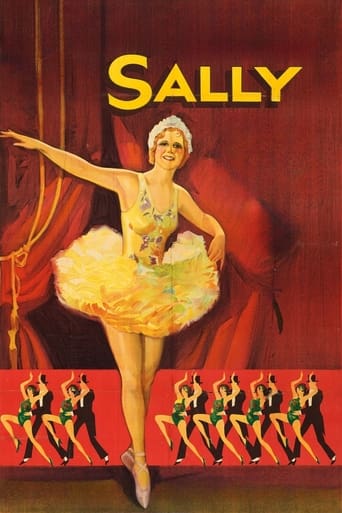
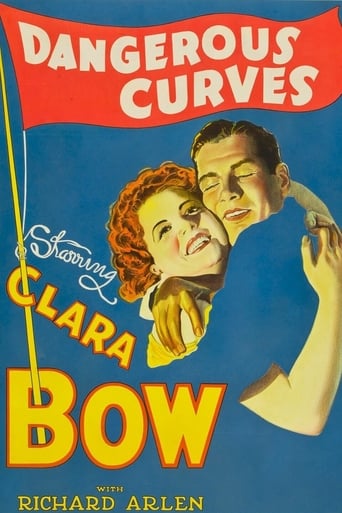
Like many silent era actors, Barnes' career declined with the transition to sound films, though he did appear in several early talkies including 'Sally' (1929) and 'Dangerous Curves' (1929). His film appearances became less frequent in the early 1930s, with his final roles being in B-movies and serials before retiring from acting.
What is T. Roy Barnes' legacy in film history?
Barnes' legacy lies in his extensive body of work as a character actor who helped establish the template for supporting performances in early Hollywood cinema. His surviving films serve as valuable examples of silent era character acting and the important role that reliable supporting players played in the success of classic films.