
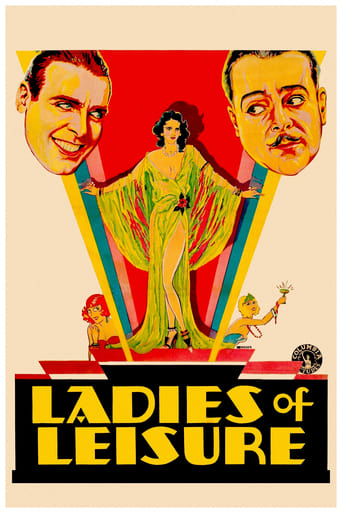
Ladies of Leisure
"Her brother is in love with her friend Mamie."
Keys: Space play/pause · ←/→ 10s · F fullscreen · M mute · </> speed
About this film
Rich, spoiled Marian pressures Eric to marry her. Her brother is in love with her friend Mamie, but a scheming ex-husband tries to blackmail her. Mamie is saved from suicide by Eric, who's in a compromising position when he brings her home.
Cast & crew
More films like this
More Drama films
View all →







More about this film
About the production
Release dateOctober 1926
ProductionProducers Distributing Corporation
Filmed inHollywood, California
The film was produced during the transition period of Hollywood studios, when independent production companies were still competing with major studios. As a silent film, it would have featured intertitles for dialogue and narrative progression.
Themes
Class differencesBlackmail and extortionSuicide and redemptionMoral dilemmasRomantic complications
Themes & topics
melodramablackmailsuicide attemptrich vs poorromantic trianglecompromising positionsocial pressureex-husbandrescuesilent film
Historical background
By 1926, distribution was widening and Ladies of Leisure reached audiences through the theatrical channels dominant before television.
Why this film matters
Reference works on 1926 cinema cite Ladies of Leisure when tracing genre and regional production patterns.
Making of
Very little specific information survives about the production of this 1926 film. As a mid-budget silent drama, it would have been filmed on studio sets in Hollywood with typical production methods of the era. Director Tom Buckingham, who was more experienced with action films, would have worked with the cast to create the dramatic performances required for the melodramatic plot. The film was released just as the silent era was beginning to face competition from early sound films, though talking pictures wouldn't completely dominate for another couple of years.
What critics said
Press files from 1926 mention Ladies of Leisure in roundup columns of what played that week.
Did you know?
- This film should not be confused with the more famous 1930 Frank Capra film 'Ladies of Leisure' starring Barbara Stanwyck
- Director Tom Buckingham was primarily known for directing silent westerns and action films, making this drama somewhat of a departure from his usual work
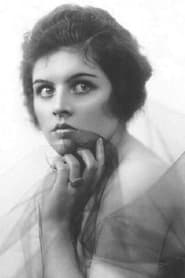
- Elaine Hammerstein came from the famous theatrical family - her grandfather was Oscar Hammerstein I, and she was cousin to Oscar Hammerstein II of Rodgers and Hammerstein fame
- The film was produced by Producers Distributing Corporation (PDC), a studio that existed from 1924-1927 before being absorbed by RKO Pictures
- Like many silent films of the era, this movie likely had a live musical accompaniment during its theatrical run, with either a piano or organ player
- The film's themes of blackmail and social class were common in melodramas of the mid-1920s, reflecting the Roaring Twenties' fascination with scandal and moral ambiguity
Visual style
As a silent film from 1926, the cinematography would have utilized the techniques common to the era. The film likely used natural lighting enhanced by studio lights, with dramatic shadows to emphasize the emotional moments. Camera work would have been relatively static compared to later films, though by 1926, filmmakers were beginning to experiment with more dynamic camera movements and angles. The visual style would have emphasized the actors' expressions, crucial for conveying emotion without dialogue.
Innovations
As a conventional drama from 1926, this film would not have featured significant technical innovations. The technical aspects would have been standard for the period, using 35mm film with the aspect ratio common to silent films. The film would have been shot on location or studio sets with the lighting and camera equipment available in 1926. Any technical achievements would be limited to competent execution of standard filmmaking practices rather than groundbreaking innovations.
Music
Being a silent film, 'Ladies of Leisure' would have had no recorded soundtrack. Instead, theaters would have provided live musical accompaniment, typically a piano or organ in smaller venues and a full orchestra in larger movie palaces. The music would have been selected to match the mood of each scene, with romantic themes for love scenes, tense music for dramatic moments, and faster-paced music for action sequences. Some theaters might have used compiled cue sheets or original compositions specifically created for the film.
Memorable scenes
- The scene where Eric saves Mamie from her suicide attempt, which serves as the moral and emotional turning point of the film
- The compromising position scene where Eric brings Mamie home, creating the central conflict that drives the narrative
What audiences thought
Audience reception records for this specific film are not well-documented, but as a melodrama dealing with romance, blackmail, and social issues, it likely appealed to the typical filmgoing audiences of 1926. Silent film audiences of this era were accustomed to dramatic acting styles and melodramatic plots, so the film's themes would have been familiar and entertaining to contemporary viewers. The film's release through PDC suggests it was aimed at the general market rather than art-house audiences.
Film connections
Influenced by
- Earlier melodramatic films of the 1920s
- Stage melodramas of the 19th century
- Popular fiction dealing with social scandals
Film restoration
The preservation status of this 1926 film is uncertain, and it may be among the many silent films that are considered lost. A significant percentage of silent films (estimated 75-90%) have been lost due to neglect, film decomposition, or deliberate destruction. If any copies exist, they would likely be in film archives or private collections, possibly incomplete or in deteriorated condition.
Where to watch
- This film is not currently available on any streaming platforms or home video formats. As an obscure silent film from 1926, it may only be accessible through specialized film archives or private collections if any copies survive.