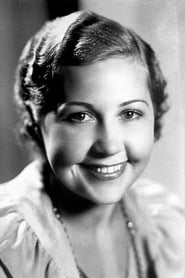
Gertrude Short
Actor
Born: April 2, 1902 in Cincinnati, Ohio, USA Died: July 31, 1968 Active: 1917-1927 Birth Name: Gertrude Amelia Short
Films
8 films


About Gertrude Short
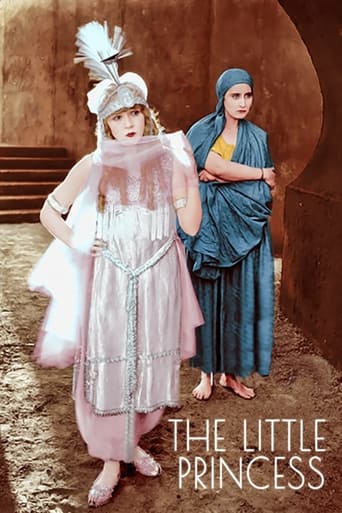
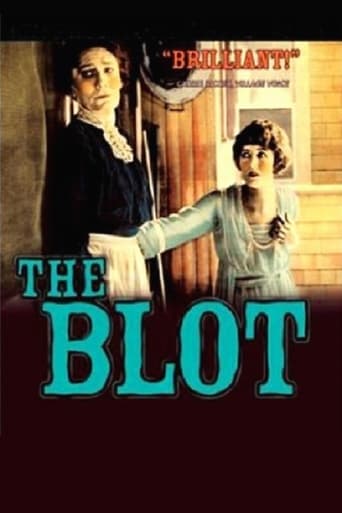
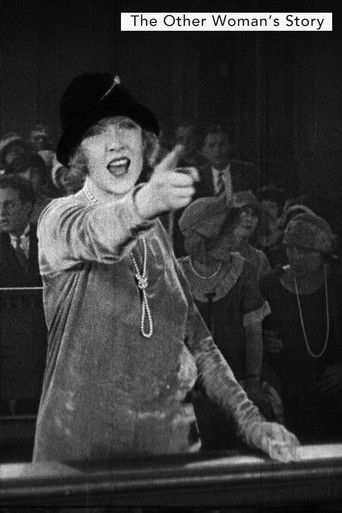
prominent American actress during the silent film era — known for her versatile performances in both dramatic and comedic roles. Beginning her career in 1917 with 'A Little Princess,' she quickly established herself as a reliable character actress capable of portraying a wide range of emotions on screen. Her collaboration with director Lois Weber in 'The Blot' (1921) showcased her dramatic talents in a socially conscious film that addressed class disparities in American society. Throughout the mid-1920s, Short continued to work steadily, appearing in films like 'The Other Woman's Story' (1925) and 'Ladies of Leisure' (1926), often playing sophisticated urban women or troubled protagonists. Her final notable film appearance was in 'The Show' (1927), a circus-themed drama directed by Tod Browning, just as the silent era was drawing to a close. While her career was relatively brief compared to some of her contemporaries, Short left a lasting impression through her nuanced performances in some of the era's most artistically ambitious productions.
The Craft
On Screen
Gertrude Short was known for her naturalistic acting style that stood out even in the exaggerated era of silent film performance. She possessed a remarkable ability to convey complex emotions through subtle facial expressions and body language, making her particularly effective in dramatic roles. Her performances often featured a delicate balance between vulnerability and strength, allowing her to portray both innocent characters and women facing moral dilemmas. Short had a particular talent for portraying the psychological depth of her characters, bringing authenticity to roles that required emotional nuance rather than broad gestures.
Milestones
- Breakthrough role in 'A Little Princess' (1917)
- Critically acclaimed performance in 'The Blot' (1921) directed by Lois Weber
- Leading role in 'The Other Woman's Story' (1925)
- Notable supporting role in 'Ladies of Leisure' (1926)
- Final major film appearance in 'The Show' (1927) directed by Tod Browning
Best Known For
Iconic Roles
Must-See Films
Working Relationships
Worked Often With
Studios
Why They Matter
Impact on Culture
Gertrude Short contributed significantly to the artistic evolution of American cinema during the silent era, particularly through her work in socially conscious films like 'The Blot.' Her performances helped demonstrate that silent film could address complex social issues while maintaining emotional authenticity and artistic integrity. Short's collaboration with female director Lois Weber was particularly significant, as it represented one of the few successful director-actor partnerships between women in early Hollywood. Her ability to portray characters with psychological depth helped elevate the artistic standards of silent film performance, influencing how actors approached dramatic roles during this transitional period in cinema history.
Lasting Legacy
Gertrude Short's legacy endures through her preserved film performances that continue to be studied by film historians and silent cinema enthusiasts. Her work in 'The Blot' remains particularly significant as it represents. While she may not be as widely remembered as some of her contemporaries, film scholars recognize Short as an important character actress who brought depth and authenticity to her roles. Her career shows the many talented actors who contributed to cinema's development during its formative years, even if their names are not household names today.
Who They Inspired
Gertrude Short influenced subsequent generations of character actors through her demonstration of how subtle, nuanced performances could enhance dramatic storytelling in film. Her naturalistic acting style, particularly in her collaborations with Lois Weber, helped establish standards for realistic emotional expression in cinema. Younger actresses studying silent film performance often cite Short's work as an example of how to convey complex emotions without dialogue. Her ability to disappear into her characters while maintaining a distinct screen presence influenced how character actors approached their craft in subsequent decades.
Off Screen
Gertrude Short married fellow actor and director Alan James in 1925, though the marriage eventually ended in divorce. She later married Jack A. Carey in 1931, with whom she remained until his death. Despite her success in silent films, Short largely retired from acting after the transition to sound pictures, choosing to focus on her personal life away from Hollywood. She spent her later years living in Los Angeles, maintaining connections with the film community but rarely making public appearances. Her death in 1968 marked the passing of another link to Hollywood's golden silent era.
Education
Little is known about Gertrude Short's formal education, though she likely received some dramatic training to prepare for her acting career in the early film industry.
Family
- Alan James (1925-1930, divorced)
- Jack A. Carey (1931-1954, his death)
Did You Know?
- Her birth name was Gertrude Amelia Short, but she dropped her middle name professionally.
- She began her film career at the young age of 15.
- The Blot (1921), one of her most acclaimed films, was considered lost for decades before being rediscovered and restored.
- She worked with female director Lois Weber multiple times, a rarity in early Hollywood.
- Her final film, The Show (1927), was directed by Tod Browning, who would later direct the classic horror film Dracula (1931).
- Short successfully transitioned from child actress to adult roles, a difficult feat in silent cinema.
- She appeared in over 40 films during her decade-long career, though many are now lost.
- Unlike many silent stars, she chose to retire rather than struggle with the transition to sound films.
- Her performance in The Blot was praised by contemporary critics for its subtlety and emotional depth.
- She was part of a generation of actors who helped establish the dramatic potential of cinema as an art form.
In Their Own Words
In silent films, we had to tell stories with our eyes and our hearts. Words would have only gotten in the way.
Working with Lois Weber taught me that a camera could capture the truth of a soul if you let it.
Frequently Asked Questions
Who was Gertrude Short?
American actress who worked primarily during the silent film era from 1917 to 1927. She was known for her naturalistic acting style and appeared in notable films like 'The Blot' and 'A Little Princess,' often collaborating with directors such as Lois Weber.
What films is Gertrude Short best known for?
Titles linked here include A Little Princess (1917), The Blot (1921).
When was Gertrude Short born and when did she die?
Born April 2, 1902; died July 31, 1968.
What awards did Gertrude Short win?
During her career in the silent era, Gertrude Short did not receive major formal awards or nominations, as the Academy Awards were not established until 1929, near the end of her active career. Her recognition came primarily from critical acclaim for her performances, particularly in 'The Blot.'
What was Gertrude Short's acting style?
Gertrude Short was known for her naturalistic and subtle acting style, which stood out during an era when many performances were highly theatrical. She excelled at conveying complex emotions through nuanced facial expressions and body language, bringing authenticity and psychological depth to her characters.
Why did Gertrude Short retire from acting?
Gertrude Short largely retired from acting after the transition to sound films in the late 1920s. Unlike many of her contemporaries who struggled with the new medium, she chose to step away from the film industry voluntarily, focusing on her personal life and marriages rather than attempting to adapt to sound cinema.