
The Show
"Cock Robin is the swaggering ballyhoo man of a Hungarian sideshow"
Keys: Space play/pause · ←/→ 10s · F fullscreen · M mute · </> speed
About this film
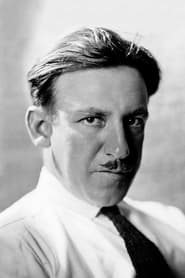
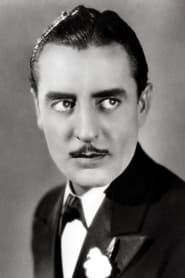
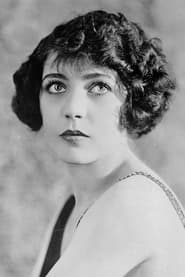
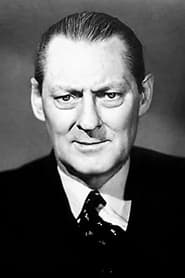
Cock Robin is the swaggering ballyhoo man of a Hungarian sideshow known as the Palace of Illusions. The highlight of the show is a reenactment of Salome's dance of the seven veils, replete with the beheading of Jokanaan. The performer portraying Salome is in love with Cock Robin.
Cast & crew
More films like this
More Drama films
View all →







More from Tod Browning
View all →


More about this film
About the production
Release dateJanuary 22, 1927
Budget$379,000
Box office$1,200,000 (domestic)
ProductionMetro-Goldwyn-Mayer
Filmed inMGM Studios, Culver City, California
The film was produced during MGM's golden era and was one of several collaborations between director Tod Browning and star John Gilbert. The elaborate carnival sets were constructed on MGM's backlot and were so detailed they included working carnival rides and authentic sideshow attractions. The Salome dance sequence was considered highly controversial for its time, with the beheading scene pushing the boundaries of what was acceptable in mainstream cinema. Production faced challenges from censorship boards across the country, with several scenes requiring cuts or modifications for different regional releases.
Themes
Love and jealousyAppearance versus realityThe dark side of entertainmentObsession and madnessPerformance and identity
Themes & topics
carnivalsideshowlove trianglejealousySalomebeheadingbarkerHungarymelodramaromanceobsessionperformanceillusionrevenge
Historical background
Silent-era production in 1927 relied on intertitles, live accompaniment, and studio systems that were rapidly consolidating into national industries. Archival sources describe The Show as 1927 film. Contemporary context can be traced through sources such as the Wikipedia article on The Show (1927 film).
Why this film matters
The Show remains part of the screen heritage of its era, offering evidence of prevailing genres, production methods, and audience tastes. Later revivals, archive screenings, and digitization have kept such titles accessible to researchers and dedicated viewers long after their first commercial runs.
Making of
The production of 'The Show' was marked by significant behind-the-scenes drama, particularly surrounding the controversial Salome sequence. Director Tod Browning, known for his fascination with circus and carnival life, insisted on absolute authenticity in the carnival scenes, hiring real sideshow performers and consulting with actual carnival barkers to perfect John Gilbert's character. The relationship between Gilbert and Adorée, who were having a real-life affair during filming, created tension on set but also contributed to the film's emotional intensity. MGM executives were initially nervous about the film's dark themes and potentially offensive content, but Browning's recent success with 'The Unholy Three' (1925) gave him the creative freedom to pursue his vision. The beheading scene required multiple takes and innovative special effects techniques that were groundbreaking for the time. Lionel Barrymore, who was transitioning from leading man to character actor, spent weeks studying Hungarian accents and mannerisms to prepare for his role as The Greek.
What critics said
Trade and newspaper reviews from the silent period for The Show survive only in fragments, making precise reception history difficult to reconstruct. Modern assessment tends to emphasize historical value, craft, and cultural context rather than box-office performance.
Did you know?
- This was one of five films that Tod Browning and John Gilbert made together during the silent era.
- The Salome dance sequence was considered so risqué that it was cut in several markets, including Boston and Chicago.
- Lionel Barrymore's character 'The Greek' was one of his early villain roles before he became typecast as kindly father figures.
- The film's carnival sequences were so realistic that actual carnival performers were hired as extras.
- Renée Adorée and John Gilbert were real-life lovers during filming, adding authenticity to their on-screen chemistry.
- The beheading effect in the Salome sequence was achieved using an early version of a dummy head and careful camera angles.
- The film was based on an unpublished story by Charles Alphonse Daudet's son, Léon Daudet.
- MGM promoted the film heavily, emphasizing its 'European sophistication' and 'adult themes' to attract sophisticated urban audiences.
- The Palace of Illusions set was so elaborate that it remained standing on the MGM backlot for months, used for other productions.
- Contemporary newspapers reported that several audience members fainted during the beheading scene at early screenings.
Awards & recognition
- Photoplay Magazine Medal of Honor (Nomination)
Visual style
The cinematography by William H. Daniels showcases the sophisticated visual style that characterized late silent cinema. Daniels employed dramatic lighting techniques to create the contrast between the glittering surface of carnival life and its darker underbelly. The camera work during the Salome dance sequence uses innovative angles and movement to enhance the sequence's erotic and dramatic impact. The carnival scenes feature deep focus photography that captures the complexity of the sideshow environment, with multiple actions occurring simultaneously within the frame. Daniels also experimented with subjective camera techniques during moments of psychological tension, particularly in scenes involving The Greek's obsessive jealousy. The film's visual style blends the glamour of MGM's typical production values with the expressionistic influences that Browning brought from his earlier work.
Innovations
The Show featured several technical innovations for its time, particularly in its special effects work. The beheading sequence in the Salome performance used an early form of prosthetic effects combined with careful editing to create a convincing illusion of decapitation. The film's carnival sequences employed complex tracking shots that followed performers through elaborate sets, requiring innovative camera movement techniques. The production design created fully functional carnival rides and attractions that could be operated safely during filming. The makeup effects for the various sideshow performers were particularly sophisticated for the period, using newly developed techniques to create realistic deformities and exotic appearances. The film also utilized early matte painting techniques to extend the carnival sets and create the illusion of larger crowds than were actually present during filming.
Music
As a silent film, 'The Show' would have been accompanied by live musical performance during its original theatrical run. The original cue sheet, prepared by MGM's music department, called for a mixture of classical pieces and popular songs of the era, with particular emphasis on Hungarian and Eastern European themes to match the film's setting. The Salome dance sequence would have featured exotic, Middle Eastern-inspired music, likely incorporating elements of Richard Strauss's 'Salome' opera. The romantic scenes between Gilbert and Adorée would have been accompanied by popular love songs of the period. Modern releases of the film have featured newly composed scores by silent film accompanists, with some versions using authentic 1920s-style orchestration while others employ more contemporary musical approaches.
Famous quotes
Step right up, ladies and gentlemen! See the show that will shock and amaze you!" - Cock Robin
In this palace of illusions, nothing is what it seems." - Opening title card
Love is the greatest illusion of all." - Intertitle during romantic scene
The dance of seven veils... and the final, terrible revelation!" - Cock Robin's ballyhoo
Memorable scenes
- The Salome dance sequence, where the performer slowly removes her seven veils before the shocking beheading of Jokanaan, combining eroticism with horror in a way that was unprecedented for mainstream cinema of the era.
- The opening carnival ballyhoo sequence where Cock Robin delivers his charismatic pitch to the crowd, establishing the film's atmosphere of spectacle and deception.
- The tense confrontation between Cock Robin and The Greek in the carnival's shadowy corridors, where jealousy and hatred finally erupt into violence.
- The final chaotic scene where The Greek attempts to murder Cock Robin during a performance, causing panic among the carnival-goers and exposing the dangerous reality behind the show.
What audiences thought
The Show was a moderate box office success upon its release, particularly strong in urban markets where its sophisticated themes resonated with audiences. Contemporary audience reports indicate that the film generated considerable controversy due to its suggestive content and violent imagery, with some theaters requiring special warnings for patrons. The Salome sequence became a particular talking point, with many viewers finding it both titillating and shocking. The film's romantic elements, capitalizing on the real-life chemistry between Gilbert and Adorée, proved popular with female audiences. However, the film's darker themes and carnival setting limited its appeal in more conservative rural markets. Modern audiences who have seen the film through revival screenings and home video releases have generally praised its atmospheric qualities and performances, though some find its pacing slow by contemporary standards.
Film connections
Influenced by
- The Unholy Three (1925) - Tod Browning's earlier carnival film
- German Expressionist cinema - particularly in its visual style
- Grand Guignol theater - for its blend of horror and melodrama
- Oscar Wilde's 'Salome' - for the controversial dance sequence
This film influenced
- Freaks (1932) - Browning's later carnival masterpiece
- Nightmare Alley (1947) - another film about the dark side of carnival life
- The Greatest Show on Earth (1952) - for its carnival setting
- La Strada (1954) - Fellini's film about circus life
Film restoration
The Show survives in complete form and has been preserved by the MGM library, now owned by Warner Bros. A nitrate print exists in the Library of Congress collection. The film has been restored and is available on DVD through the Warner Archive Collection. While not considered lost, some scenes that were cut for various regional releases may no longer exist in complete form. The restoration work has preserved the film's original tinting and toning, which were important elements of its visual style.
Where to watch
- Warner Archive DVD
- TCM (Turner Classic Movies) - occasional broadcasts
- The Criterion Channel - streaming availability varies
- Film archives and museums with film screening programs
- Public domain streaming sites (quality may vary)