Films
2 films

About Andy MacLennan
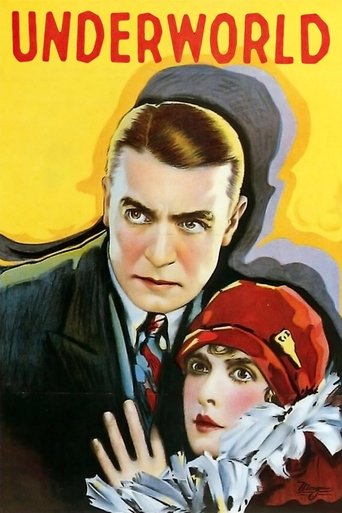
Character actor during the late silent film era, known primarily for his work with director Josef von Sternberg. His brief but notable film career was concentrated in 1927, where he appeared in two significant films that would become classics of the period. In 'Underworld,' MacLennan played a supporting role in what is widely considered one of the earliest and most influential gangster films. His second appearance that year was in 'The Show,' another von Sternberg production that showcased the director's distinctive visual style. MacLennan's career appears to have been exceptionally brief, with no known film credits beyond 1927, suggesting he may have been a stage actor who briefly ventured into films or someone who left the industry after this short period. Despite his limited filmography, his work in these important silent productions places him within the context of Hollywood's transition from silent to sound cinema.
The Craft
Milestones
- Appeared in 'Underworld' (1927), considered one of the first gangster films
- Worked with acclaimed director Josef von Sternberg on two films
- Participated in late silent era cinema during its artistic peak
Best Known For
Iconic Roles
Must-See Films
Working Relationships
Worked Often With
Studios
Why They Matter
Impact on Culture
Andy MacLennan's contribution to cinema, while limited in scope, is part of the foundation of the gangster film genre through his appearance in 'Underworld.' This film, directed by Josef von Sternberg, established many conventions that would define gangster films for decades to come. His work in 'The Show' also contributes to our understanding of von Sternberg's early directorial style before his famous collaborations with Marlene Dietrich. Though not a star, MacLennan represents the countless character actors who were essential to creating the silent cinema.
Lasting Legacy
Andy MacLennan's legacy is preserved through his participation in two historically significant silent films that continue to be studied by film scholars and enthusiasts. While his individual performances may not be widely remembered, his contribution to these important works ensures his place in film history. His brief career exemplifies the transient nature of many supporting actors' careers during the silent era, where many appeared in only a handful of films before disappearing from the historical record.
Who They Inspired
As a minor character actor from the silent era, Andy MacLennan's direct influence on subsequent performers is difficult to trace. However, his work in establishing the gangster genre through 'Underworld' indirectly contributed to the development of character archetypes that would be refined by later actors in similar roles. His collaboration with von Sternberg during this formative period of the director's career makes him part of the artistic evolution that would influence cinema for generations.
Off Screen
Very little is known about Andy MacLennan's personal life, which is typical for supporting actors from the silent era who had brief careers. The lack of extensive biographical information suggests he may have been primarily active in other fields such as theater or may have left the entertainment industry shortly after his film appearances.
Did You Know?
- Appeared in two films in 1927, both directed by Josef von Sternberg
- 'Underworld' was written by Ben Hecht and won the Academy Award for Best Writing (Original Story) at the first Academy Awards
- Both films MacLennan appeared in were produced during the peak of the silent era, just before the transition to sound
- Josef von Sternberg was known for his distinctive visual style and would later become famous for his work with Marlene Dietrich
- The fact that MacLennan worked with von Sternberg twice suggests he may have been part of the director's preferred group of character actors
- No known film appearances exist for MacLennan after 1927, making his film career exceptionally brief even by silent era standards
Frequently Asked Questions
Who was Andy MacLennan?
Character with credits in this catalog. His career appears to have been exceptionally brief, with no known film credits beyond that year.
What films is Andy MacLennan best known for?
Titles linked here include Underworld (1927), The Show (1927).
When was Andy MacLennan born and when did he die?
Unfortunately, specific birth and death dates for Andy MacLennan are not available in historical records, which is common for supporting actors from the silent era who had brief careers.
What awards did Andy MacLennan win?
There are no records of Andy MacLennan receiving any personal awards or nominations. However, 'Underworld' (1927), one of the films he appeared in, won the Academy Award for Best Writing (Original Story) at the first Academy Awards.
What was Andy MacLennan's acting style?
Specific details about Andy MacLennan's acting style are not well-documented, which is typical for character actors from the silent era with limited filmographies. As a supporting actor in von Sternberg films, he likely worked within the dramatic conventions of late silent cinema.