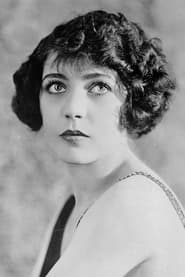
Renée Adorée
Actor
Born: September 30, 1898 in Lille, Nord, France Died: October 5, 1933 Active: 1920-1930 Birth Name: Jeanne de la Fonte
Films
5 films



About Renée Adorée
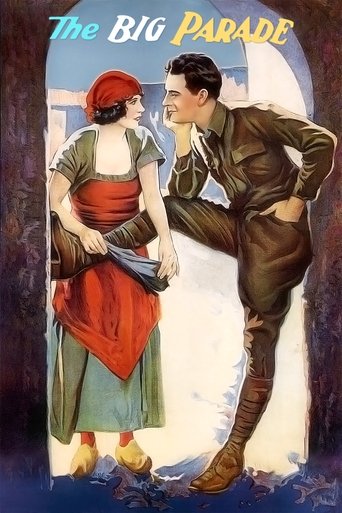
Renée Adorée, born Jeanne de la Fonte, was a French-born American actress who became popular stars of the silent era. She began her career as a circus performer and dancer in Europe before emigrating to the United States in the early 1920s. Her breakthrough came with her role as Melisande in King Vidor's masterpiece 'The Big Parade' (1925), which became one of the highest-grossing silent films of all time and established her as a major star at MGM. Throughout the late 1920s, she appeared in numerous successful films, often playing exotic or romantic roles that capitalized on her European beauty and charm. She successfully transitioned to sound films in the late 1920s, but her burgeoning career was tragically cut short when she was diagnosed with tuberculosis in 1930. Despite her illness, she continued to work in a few final films before her health forced her retirement. Adorée died at the young age of 35 in 1933, leaving behind a legacy as talented and beloved actresses of the silent era.
The Craft
On Screen
Renée Adorée was known for her naturalistic and emotionally expressive acting style that transcended the limitations of silent film. She possessed a remarkable ability to convey complex emotions through subtle facial expressions and body language, making her performances feel authentic and deeply moving. Her European background lent her performances a sophisticated, worldly quality that set her apart from many American actresses of the era. Adorée specialized in playing romantic, often exotic characters with a blend of innocence and sensuality that captivated audiences. Her chemistry with leading men, particularly John Gilbert, was palpable and helped create some of the most memorable romantic scenes in silent cinema.
Milestones
- Breakthrough role in 'The Big Parade' (1925),
- Contract player at MGM during the studio's golden era of silent film production
- Successful transition from silent films to early talkies
- Starred opposite John Gilbert in multiple films, creating
- Final film appearance in 'Call of the Flesh' (1930) despite declining health
Best Known For
Iconic Roles
Must-See Films
Accolades
Special Recognition
- Star on the Hollywood Walk of Fame (located at 1601 Vine Street)
Working Relationships
Worked Often With
Studios
Why They Matter
Impact on Culture
Renée Adorée's impact on cinema culture extends far beyond her tragically brief career. Her performance in 'The Big Parade' helped establish the template for the romantic war drama, influencing countless films that followed. The film's massive success, driven in large part by her chemistry with John Gilbert, demonstrated the commercial power of romantic pairings in cinema. Adorée represented the international sophistication that Hollywood sought to project during the 1920s, embodying the era's fascination with European glamour and artistry. Her ability to convey deep emotion without dialogue helped elevate silent film acting beyond mere pantomime, contributing to the artistic legitimacy of the medium. Even today, film scholars cite her performances as examples of the emotional depth possible in silent cinema.
Lasting Legacy
Renée Adorée's legacy is that of a luminous talent whose light burned brightly but briefly during the golden age of silent cinema. Despite her career spanning only a decade, she left an indelible mark on film history through her memorable performances, particularly in 'The Big Parade,' which remains. Her tragic early death at age 35 has contributed to her mystique as one of Hollywood's lost stars, representing the countless talents whose potential was never fully realized due to the harsh realities of life in the early 20th century. Film preservationists and classic cinema enthusiasts continue to champion her work, ensuring that her contributions to cinema are not forgotten. Her star on the Hollywood Walk of Fame serves as a permanent reminder of her significant impact on American film culture.
Who They Inspired
Renée Adorée influenced subsequent generations of actresses through her naturalistic acting style and her ability to convey complex emotions with subtlety and grace. Her success as a foreign-born actress in Hollywood helped pave the way for other international performers, demonstrating that audiences would embrace authentic European talent. Her work in romantic dramas established a template for on-screen chemistry that continues to be studied by actors and directors today. The emotional authenticity she brought to her roles influenced the transition toward more realistic acting styles that would become standard in sound cinema. Her tragic story of talent cut short by illness has also served as a cautionary tale in Hollywood, highlighting the fragility of life even at the height of fame.
Off Screen
Renée Adorée's personal life was marked by both professional success and personal tragedy. She married Irish actor Tom Moore in 1921, but their marriage ended in divorce in 1924. In 1927, she married Sherman Gill, a wealthy real estate investor, with whom she remained until her death. The couple had no children. Adorée was known for her warm personality and close friendships within the Hollywood community, particularly with her frequent co-star John Gilbert. Her life took a tragic turn in 1930 when she was diagnosed with tuberculosis, a disease that would ultimately claim her life just three years later at the age of 35.
Education
Limited formal education; trained as a dancer and performer in European circuses and music halls as a child
Family
- Tom Moore (1921-1924)
- Sherman Gill (1927-1933)
Did You Know?
- Her stage name 'Renée Adorée' means 'Reborn Adored' in French
- She began performing as a child in circuses and music halls across Europe
- She spoke fluent French, English, and some Italian
- Her role in 'The Big Parade' was originally meant for another actress but King Vidor insisted on casting her
- She was one of the few silent stars who successfully made the transition to sound films
- Despite her French origin, she never appeared in a French film
- Her final film 'Call of the Flesh' (1930) was released after she had already retired due to illness
- She was a close friend of fellow MGM star Ramon Novarro
- Her performance in 'The Big Parade' was ranked among the greatest silent film performances by film historians
- She was often compared to another French actress of the era, Pola Negri, though their acting styles were quite different
In Their Own Words
I am not a star. I am an actress. There is a difference. A star is a creation of the public. An actress is a creation of herself.
In silent pictures, the eyes must do the talking. The rest is just movement.
Love scenes in pictures are not difficult. They are just make-believe. The difficult scenes are those where you must show real emotion without words.
Frequently Asked Questions
Who was Renée Adorée?
French-born American actress who became. Born Jeanne de la Fonte, she was best known for her role as Melisande in 'The Big Parade' (1925), which became. Her career was tragically cut short when she died of tuberculosis at age 35 in 1933.
What films is Renée Adorée best known for?
Titles linked here include The Big Parade (1925), The Show (1927).
When was Renée Adorée born and when did she die?
Born September 30, 1898; died October 5, 1933.
What awards did Renée Adorée win?
During her lifetime, Renée Adorée did not receive any major film awards, as the Academy Awards were only established in 1929, near the end of her career. However, she was posthumously honored with a star on the Hollywood Walk of Fame at 1601 Vine Street, recognizing her significant contributions to American cinema.
What was Renée Adorée's acting style?
Renée Adorée was known for her naturalistic and emotionally expressive acting style that was particularly effective in silent films. She excelled at conveying complex emotions through subtle facial expressions and body language, bringing authenticity to her romantic and dramatic roles. Her European sophistication and ability to create chemistry with leading men, especially John Gilbert, made her.