
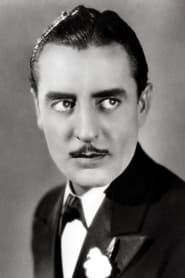
John Gilbert
Actor
Born: July 10, 1897 in Logan, Utah, USA Died: January 9, 1936 Active: 1915-1934 Birth Name: John Cecil Pringle
Films
16 films

Bardelys the Magnificent
1926
He Who Gets Slapped
1924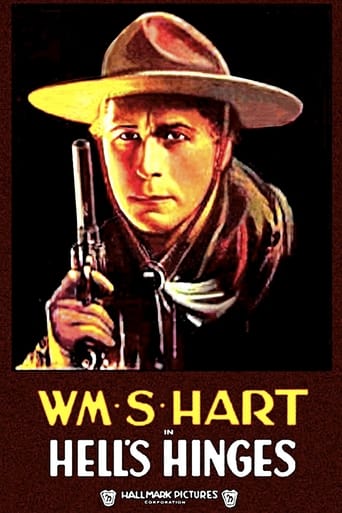
Hell's Hinges
1916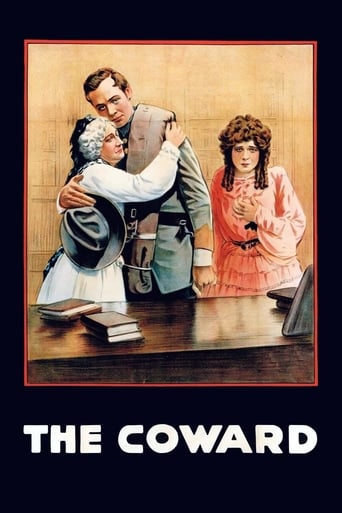
The Coward
1915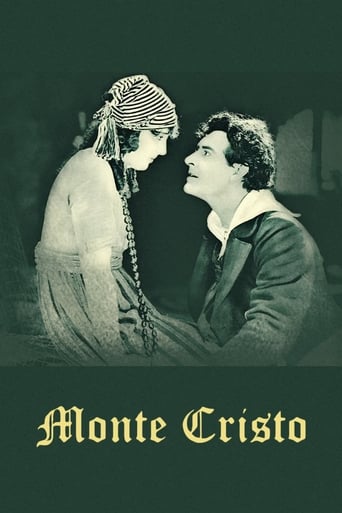
Monte Cristo
1922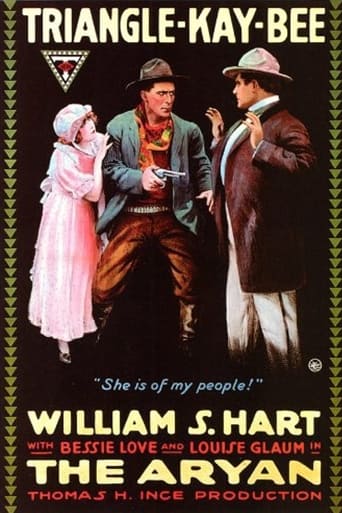
The Aryan
1916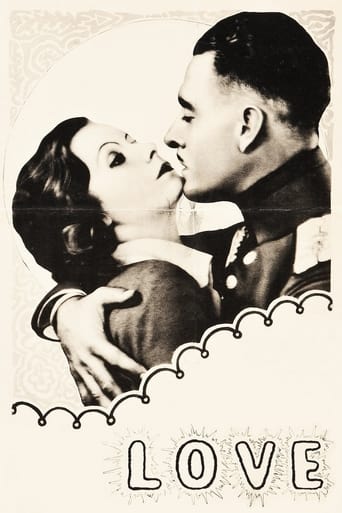
Love
1927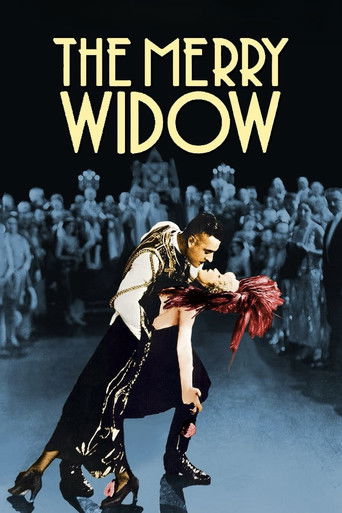
The Merry Widow
1925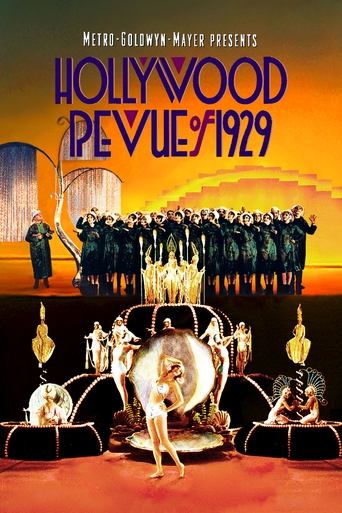
The Hollywood Revue of 1929
1929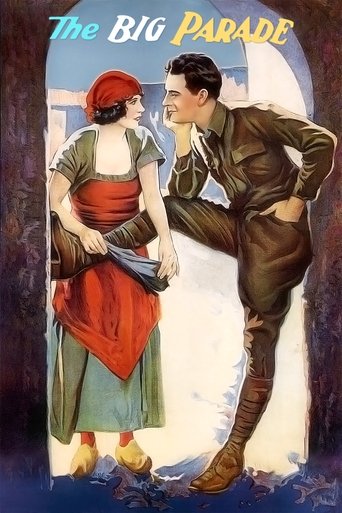
The Big Parade
1925
A Woman of Affairs
1928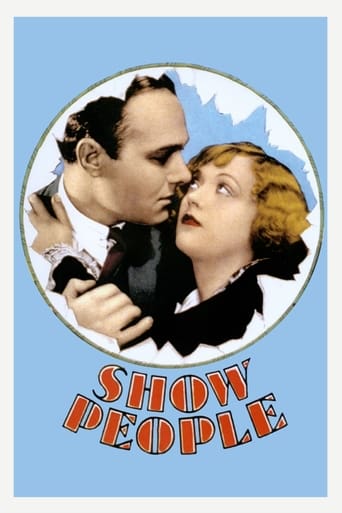
Show People
1928
Flesh and the Devil
1926
The Show
1927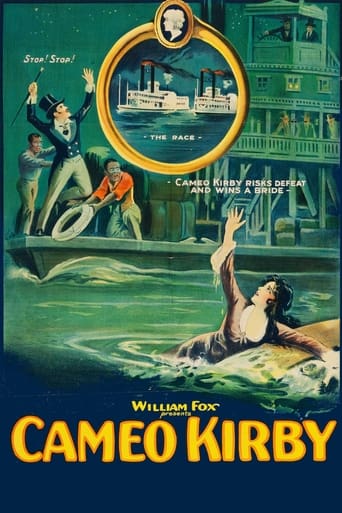
Cameo Kirby
1923About John Gilbert
John Gilbert, born John Cecil Pringle, was leading men of the silent film era, earning the nickname 'The Great Lover' for his passionate on-screen romances. Rising from bit parts in 1915 to become MGM's highest-paid actor by the mid-1920s, Gilbert starred in numerous box office hits including The Big Parade (1925), Flesh and the Devil (1926), and The Merry Widow (1925). His intense, emotional acting style and handsome features made him the quintessential romantic hero of his time, and he commanded salaries of over $1 million per year at the height of his fame. Gilbert's career was marked by his romance with Greta Garbo, which captivated the public and ended when she famously left him at the altar in 1926. With the advent of sound films, Gilbert's career dramatically declined despite his voice being perfectly adequate for talkies, largely due to his contentious relationship with MGM studio head Louis B. Mayer who actively sabotaged his projects. He made several attempts at a comeback in the early 1930s, including directing his own films, but his alcoholism and declining health led to his premature death at age 36 in 1936. Despite his tragic end, Gilbert remains a symbol of silent cinema's glamour and the devastating impact of the transition to sound on many careers.
The Craft
On Screen
John Gilbert was known for his intensely passionate and emotional acting style, characterized by sweeping gestures, expressive eyes, and a commanding presence that translated powerfully to the silent screen. He specialized in romantic roles, bringing a brooding intensity to his performances that made audiences believe in his on-screen love affairs. Gilbert's technique combined theatrical training with naturalistic moments, allowing him to convey complex emotions through subtle facial expressions and body language. His acting was particularly effective in dramatic scenes requiring emotional depth, though critics sometimes noted his tendency toward melodramatic excess in lesser productions.
Milestones
- Breakthrough role in The Big Parade (1925)
- Became MGM's highest-paid actor in 1926
- Legendary romance with Greta Garbo
- Directed His Glorious Night (1929)
- Final film The Captain Hates the Sea (1934)
Best Known For
Iconic Roles
Must-See Films
Accolades
Won
- Hollywood Walk of Fame Star (1960)
- Photoplay Medal of Honor (1925)
Nominated
- Academy Award consideration for Best Actor (1926) - Though formal nominations were not recorded until 1929
Special Recognition
- Inducted into the Great Movie Stars Hall of Fame
- Featured in AFI's 25 Greatest Male Screen Legends consideration
Working Relationships
Worked Often With
Studios
Why They Matter
Impact on Culture
John Gilbert's impact on cinema culture extended far beyond his film performances, representing both the glamour and tragedy of Hollywood's golden age. As the quintessential romantic hero of the silent era, Gilbert helped define the archetype of the passionate leading man that would influence generations of actors. His highly publicized romance with Greta Garbo created one of the first true Hollywood celebrity scandals, establishing a template for how the media would cover star relationships. Gilbert's career trajectory from bit player to superstar to has-been exemplified both the opportunities and perils of the studio system, while his supposed failure in talkies became part of Hollywood mythology. His story has been referenced in numerous films and books about Hollywood, serving as a cautionary tale about the fleeting nature of fame and the devastating impact of the transition from silent to sound films.
Lasting Legacy
John Gilbert's legacy remains that of the ultimate romantic hero of the silent era, whose passionate performances and tragic life story continue to fascinate film historians and enthusiasts. Despite the myth that his voice ended his career, modern reappraisals of his talkie work reveal a capable performer whose decline resulted more from studio politics and personal struggles than vocal inadequacy. Gilbert's films, particularly The Big Parade and Flesh and the Devil, are now recognized as classics of silent cinema, showcasing his remarkable screen presence and emotional depth. His influence can be seen in later romantic leading men, from Clark Gable to Cary Grant, who adopted elements of his passionate style. Gilbert's story has become symbolic of the many silent stars whose careers were destroyed by the coming of sound, making him an important figure in understanding this transitional period of film history.
Who They Inspired
John Gilbert's influence on subsequent actors was primarily through establishing the template for the romantic leading man in American cinema. His intense, emotional style influenced performers like Clark Gable, who studied Gilbert's techniques and eventually inherited many of his roles at MGM. Gilbert's ability to convey deep emotion through subtle facial expressions and body language provided a model for actors transitioning from silent to sound films. His collaboration with Greta Garbo created a new standard for on-screen chemistry that influenced how romantic pairings were developed in Hollywood. Directors like King Vidor and Erich von Stroheim, who worked extensively with Gilbert, incorporated his naturalistic approach into their work with other actors. Even actors who never met Gilbert were influenced by his films, which served as training tools for performers learning the craft of screen acting in the 1920s and 1930s.
Off Screen
John Gilbert's personal life was as dramatic as his on-screen performances, marked by multiple marriages, a legendary romance with Greta Garbo, and struggles with alcoholism. He was married four times: to actresses Leatrice Joy and Ina Claire, to socialite Virginia Bruce, and finally to Olive Bourne. His most famous relationship was with Greta Garbo, which began during filming of Flesh and the Devil and ended when she failed to appear for their planned wedding in 1926. Gilbert was known for his lavish lifestyle, expensive cars, and Hollywood parties, but his later years were marked by declining health, financial troubles, and increasing dependence on alcohol. He had two daughters: Leatrice Joy Gilbert with his first wife and Susan Ann Gilbert with Virginia Bruce.
Education
Limited formal education; attended school in Logan, Utah before moving to California with his family as a teenager. Received some acting training through his early work in stock theater and film studios.
Family
- Leatrice Joy (1922-1924)
- Ina Claire (1929-1931)
- Virginia Bruce (1932-1934)
- Olive Bourne (1935-1936)
Did You Know?
- Was the highest-paid actor in Hollywood by 1926, earning over $1 million that year
- His real name was John Cecil Pringle but he used his mother's maiden name professionally
- The famous story that his voice was too high-pitched for talkies is largely myth - his voice was actually fine
- Had a legendary feud with MGM head Louis B. Mayer that may have sabotaged his career
- Greta Garbo left him at the altar in 1926, creating one of Hollywood's biggest scandals
- Made his directorial debut with His Glorious Night (1929), which was poorly received
- Was married four times, including twice to fellow actresses
- His daughter Leatrice Joy Gilbert became an actress in the 1940s
- Died of a heart attack at age 36 after years of heavy drinking
- Was posthumously awarded a star on the Hollywood Walk of Fame in 1960
- His films earned an estimated $12 million for MGM during his peak years
- Was one of the first actors to successfully demand percentage participation in film profits
In Their Own Words
I have been a lover, a fighter, a fool, and a king. But I have never been a coward.
Acting is not about being someone different. It's finding the similarity in what is apparently different, then finding myself in there.
The camera doesn't lie. It sees into your soul and shows everyone what's there.
Love is the only thing that matters in life or on the screen. Without it, we have nothing.
I made more money than I could count and spent it faster than I made it. That's Hollywood for you.
Frequently Asked Questions
Who was John Gilbert?
John Gilbert was one of the biggest stars of the silent film era, known as 'The Great Lover' for his romantic roles. He was MGM's highest-paid actor in the mid-1920s, starring in classics like The Big Parade and Flesh and the Devil before his career declined with the advent of sound films.
What films is John Gilbert best known for?
Titles linked here include The Big Parade (1925), Flesh and the Devil (1926).
When was John Gilbert born and when did he die?
Born July 10, 1897; died January 9, 1936.
What awards did John Gilbert win?
Gilbert received the Photoplay Medal of Honor in 1925 and was posthumously awarded a star on the Hollywood Walk of Fame in 1960. While there are records suggesting an Academy Award nomination, the exact details remain unclear due to the early nature of the awards.
What was John Gilbert's acting style?
Gilbert was known for his intensely passionate and emotional acting style, characterized by sweeping gestures and expressive eyes that translated powerfully to the silent screen. He specialized in romantic roles, bringing a brooding intensity to his performances that made audiences believe in his on-screen love affairs.
What happened with John Gilbert and Greta Garbo?
Gilbert and Garbo had a legendary romance that began during filming of Flesh and the Devil in 1926. They became engaged, but Garbo famously failed to appear for their wedding, creating one of Hollywood's biggest scandals. They made two more films together but never reconciled romantically.
Did John Gilbert really have a bad voice for talkies?
Contrary to popular myth, Gilbert's voice was actually fine for talkies. His career decline was more likely due to his feud with MGM head Louis B. Mayer, who sabotaged his projects, combined with Gilbert's alcoholism and the poor quality of the scripts he was given during the transition to sound.