
Films
7 films



About Agostino Borgato
Italian character actor who found success in Hollywood during the silent film era of the 1920s. Born in Italy in 1871, Borgato began his acting career on the European stage before transitioning to American cinema in his mid-50s. He quickly established himself as a reliable character actor, often cast in roles that required an exotic or foreign appearance due to his Mediterranean features and accent. His brief but notable Hollywood from 1925 to 1928, during which he appeared in several prestigious productions alongside some of the biggest stars of the era. Borgato's performances in films like 'The Eagle' with Rudolph Valentino and 'A Woman of Affairs' with Greta Garbo showcased his ability to portray sophisticated, often villainous characters. Despite his relatively short film career and limited English language skills, Borgato managed to work with some of the most respected directors of the silent era, including Clarence Brown and Tod Browning. His career came to an end with the transition to sound films, as his thick Italian accent limited his opportunities in the new medium. Borgato spent his final years in Los Angeles, where he passed away in 1932, leaving behind a legacy as one of the many character actors who helped populate the rich landscape of silent cinema.
The Craft
On Screen
Borgato specialized in portraying sophisticated, often menacing foreign characters with a commanding presence. His acting style was typical of the silent era, relying heavily on facial expressions, gestures, and body language to convey emotion and character. He had a natural aristocratic bearing that made him particularly effective in roles requiring authority or menace. His performances were characterized by intense stares and deliberate movements that emphasized his characters' often villainous nature.
Milestones
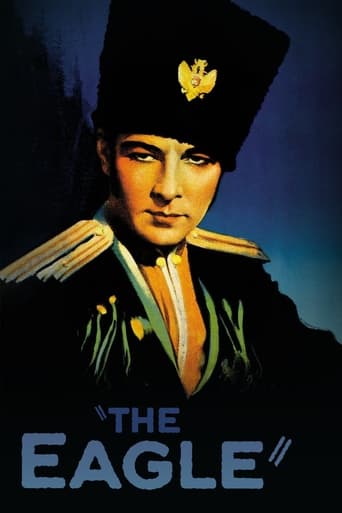
- Film debut in 'The Eagle' (1925) opposite Rudolph Valentino
- Memorable role in 'The Show' (1927) directed by Tod Browning
- Appearance in 'A Woman of Affairs' (1928) with Greta Garbo and John Gilbert
- Worked during the transition period of late silent cinema
- Established himself as a reliable character actor in Hollywood despite language barriers
Best Known For
Iconic Roles
Must-See Films
Working Relationships
Worked Often With
Studios
Why They Matter
Impact on Culture
Agostino Borgato represents the many European character actors who contributed to the richness of American silent cinema. His presence in major Hollywood productions of the 1920s reflects the international nature of the film industry during its formative years. Borgato's career exemplifies how foreign actors could find success in Hollywood during the silent era when language barriers were less of an obstacle. His appearances alongside some of the biggest stars of the period helped create the authentic international settings that many films of the era required. While not a major star himself, Borgato's contributions to films like 'The Eagle' and 'A Woman of Affairs' added depth and authenticity to these classic productions.
Lasting Legacy
Though largely forgotten today, Agostino Borgato's legacy lives on through his contributions to classic silent cinema. His work serves as a reminder of the many skilled character actors who provided essential support to the leading stars of the era. Film historians and silent cinema enthusiasts continue to appreciate his performances in the context of the films in which he appeared. Borgato's career trajectory also illustrates the challenges faced by many foreign actors during the transition to sound films in the late 1920s and early 1930s. His story is representative of the international character of early Hollywood and the diverse talent that contributed to the golden age of silent cinema.
Who They Inspired
As a character actor rather than a leading man, Borgato's direct influence on other performers was limited. However, his successful transition from European stage to American cinema served as an example for other foreign actors seeking opportunities in Hollywood. His ability to secure consistent work in major productions despite his age and language barriers demonstrated the demand for authentic foreign character types in silent films. The professionalism he brought to each role, no matter how small, set a standard for supporting actors in the industry.
Off Screen
Private individual who kept much of his personal life away from the public eye. He immigrated to the United States in the early 1920s, seeking opportunities in the burgeoning film industry. Despite his relatively late start in Hollywood, he quickly adapted to the studio system and found steady work as a character actor. Borgato never married and had no known children, dedicating his life entirely to his craft. He lived modestly in Los Angeles during his film career and remained in the city even after his acting opportunities diminished with the advent of sound films.
Education
Educated in Italy with formal training in classical theater and dramatic arts
Did You Know?
- Began his film career at the relatively advanced age of 54
- Often cast as authority figures due to his dignified appearance
- His thick Italian accent effectively ended his career with the advent of sound films
- Worked with three of the biggest stars of the silent era: Valentino, Gilbert, and Garbo
- Appeared in his final film just one year before the stock market crash that would dramatically change Hollywood
- Despite his brief career, he worked with some of the most respected directors of the era
- His death in 1932 went largely unnoticed by the mainstream press
- Never received screen credit in several of his film appearances
- Was part of the large community of Italian actors working in Hollywood during the 1920s
- His roles often required him to play characters much younger than his actual age
Frequently Asked Questions
Who was Agostino Borgato?
Italian character with credits in this catalog. He was known for playing sophisticated, often villainous foreign characters in major productions alongside stars like Rudolph Valentino and Greta Garbo.
What films is Agostino Borgato best known for?
When was Agostino Borgato born and when did he die?
Born 1871; died March 30, 1932.
What awards did Agostino Borgato win?
Agostino Borgato did not receive any major awards or nominations during his career. As a character actor in the silent era, he was not typically recognized by the award systems that would later become prominent in Hollywood.
What was Agostino Borgato's acting style?
Borgato's acting style was typical of the silent era, relying on expressive facial features, gestures, and a commanding physical presence. He specialized in portraying sophisticated, often menacing foreign characters with an aristocratic bearing that made him particularly effective in authority roles.