
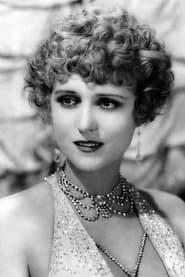
Jacqueline Gadsden
Actor
Born: August 3, 1900 in Lompoc, California, USA Died: August 10, 1961 Active: 1923-1935
Films
5 films
About Jacqueline Gadsden
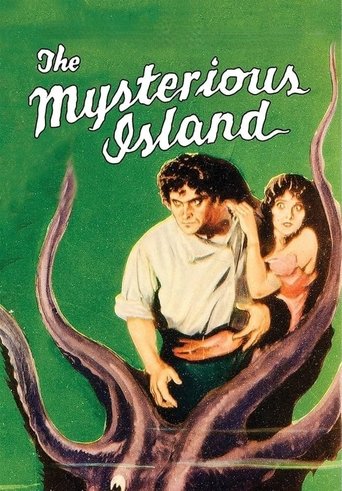
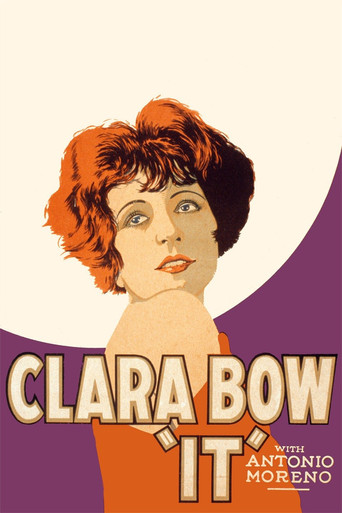
American actress who rose to prominence during the late silent film era, making her mark as a versatile performer in both dramatic and comedic roles. Born in 1900, she began her career in the mid-1920s and quickly gained recognition for her striking beauty and compelling screen presence. Her most notable work came during her peak years from 1927 to 1929, where she appeared in several significant productions including the Clara Bow vehicle 'It' (1927) and the ambitious science fiction film 'The Mysterious Island' (1929). Gadsden demonstrated remarkable adaptability as the film industry transitioned from silent to sound pictures, though her career trajectory was ultimately affected by this technological shift. She worked with some of the era's most prominent directors and studios, establishing herself as a reliable character actress capable of handling diverse roles. Despite her relatively brief period of major stardom, her contributions to late silent cinema remain noteworthy for film historians studying this transitional period in Hollywood history.
The Craft
On Screen
Gadsden was known for her naturalistic acting style that helped bridge the gap between the exaggerated pantomime of early silent cinema and the more subtle performances required in sound films. She possessed a distinctive screen presence characterized by expressive eyes and graceful movements, allowing her to convey complex emotions without dialogue. Her performances often showcased a blend of sophistication and accessibility, making her particularly effective in romantic comedies and dramatic roles alike.
Milestones
- Breakthrough role in 'The Show' (1927)
- Supporting role in the blockbuster hit 'It' (1927) starring Clara Bow
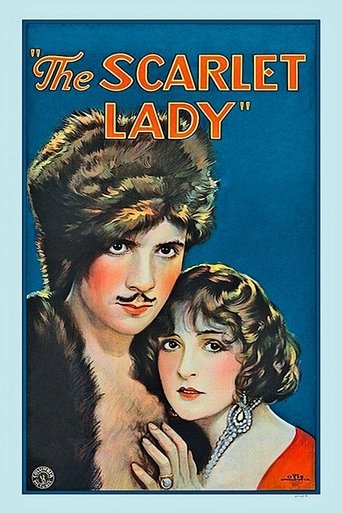
- Leading role in 'The Scarlet Lady' (1928)
- Appeared in early sound production 'The Mysterious Island' (1929)
- Successfully transitioned from silent films to early talkies
Best Known For
Iconic Roles
Must-See Films
Working Relationships
Worked Often With
Studios
Why They Matter
Impact on Culture
Jacqueline Gadsden represents the transitional generation of actresses who navigated the challenging shift from silent films to talkies in the late 1920s. Her work in films like 'It' places her within the context of the flapper era cinema that defined youth culture in the Roaring Twenties. While not achieving the lasting fame of contemporaries like Clara Bow or Louise Brooks, Gadsden's career exemplifies the opportunities and limitations faced by women in early Hollywood. Her interracial marriage to James Wong Howe also made her part of Hollywood's progressive social history, challenging racial barriers during a time of significant discrimination in the film industry.
Lasting Legacy
Though largely forgotten by mainstream audiences, Jacqueline Gadsden's legacy endures among film historians and silent cinema enthusiasts as a representative figure of late silent era Hollywood. Her performances in surviving films provide valuable documentation of the acting styles and cinematic techniques of this transitional period. Her marriage to James Wong Howe has made her a footnote in the history of Hollywood's evolution toward greater diversity, even if progress remained slow for decades to come. Film preservationists continue to work to ensure her surviving performances remain accessible to future generations interested in understanding the full spectrum of talent from Hollywood's formative years.
Who They Inspired
As a character actress rather than a star, Gadsden's direct influence on subsequent generations of performers was limited. However, her successful navigation of the silent-to-sound transition provided a model for other supporting actors facing similar career challenges. Her willingness to step away from the spotlight to support her husband's career also represented an alternative path for women in Hollywood, prioritizing personal fulfillment over professional ambition at a time when such choices were less common for actresses with established careers.
Off Screen
Jacqueline Gadsden married cinematographer James Wong Howe in 1937, one of Hollywood's most celebrated cinematographers. Their marriage was notable for being interracial during a time when such unions were rare and often controversial in Hollywood. The couple remained married until Gadsden's death in 1961. Beyond her acting career, Gadsden was known for her intelligence and cultural sophistication, often hosting gatherings for Hollywood's artistic community. She stepped back from her acting career after marrying Howe, choosing to focus on their personal life rather than continuing in the film industry.
Education
Limited information available about her formal education, but she was known to be well-read and culturally sophisticated
Family
- James Wong Howe (1937-1961)
Did You Know?
- She was one of the few actresses of her era to successfully marry an Asian-American man in Hollywood
- Her role in 'It' (1927) placed her in
- She retired from acting shortly after her marriage to James Wong Howe
- She appeared in both silent films and early talkies, making her a transitional-era actress
- Her active years covered the crucial period when Hollywood converted from silent to sound production
- She worked with some of the biggest stars of her era including Clara Bow and John Gilbert
- Her film 'The Mysterious Island' (1929) was an early science fiction production with groundbreaking special effects
- She was known in Hollywood circles for her intelligence and cultural sophistication
- Her marriage lasted 24 years until her death in 1961
- She was born at the very beginning of the 20th century, making her a true child of the new century
In Their Own Words
While specific quotes from Jacqueline Gadsden are not widely documented in historical records, she was known in Hollywood circles for her wit and intelligence during conversations at industry gatherings.
Frequently Asked Questions
Who was Jacqueline Gadsden?
American actress active during the late silent film era and early sound period, best known for her roles in films like 'It' (1927) and 'The Mysterious Island' (1929). She worked as a character actress during Hollywood's transitional period from silent to sound films in the late 1920s.
What films is Jacqueline Gadsden best known for?
When was Jacqueline Gadsden born and when did she die?
Born August 3, 1900; died August 10, 1961.
Who did Jacqueline Gadsden marry?
In 1937, Jacqueline Gadsden married renowned cinematographer James Wong Howe, one of Hollywood's most celebrated directors of photography. Their interracial marriage was notable for its time and lasted until her death in 1961.
What was Jacqueline Gadsden's acting style?
Gadsden was known for her naturalistic acting style that helped bridge the gap between silent film pantomime and the subtler performances required in talkies. She possessed expressive eyes and graceful movements that allowed her to convey complex emotions effectively.
Why did Jacqueline Gadsden's career end?
Gadsden's acting career largely ended after her marriage to James Wong Howe in 1937. Like many actresses of her era, she chose to step away from the film industry to focus on her personal life and support her husband's career.
What is Jacqueline Gadsden's legacy in cinema?
Gadsden's legacy lies in her representation of the transitional generation of actresses who navigated the shift from silent to sound films. Her surviving performances provide valuable documentation of late 1920s cinema, and her marriage to James Wong Howe made her part of Hollywood's progressive social history.