

The Mysterious Island
"Nautilus beneath the volcano"
Keys: Space play/pause · ←/→ 10s · F fullscreen · M mute · </> speed
About this film
Count Dakkar's submarine Nautilus explores underwater realms while rivals scheme on volcanic Mysterious Island. Early talkie adaptation of Verne with elaborate model sequences.
Cast & crew
More films like this

More Adventure films
View all →


More from Benjamin Christensen
View all →


More about this film
About the production
Release dateDecember 21, 1929
Budget$1,000,000 (estimated)
Box officeNot accurately recorded, but considered a financial disappointment
ProductionMetro-Goldwyn-Mayer (MGM)
Filmed inMGM Studios, Culver City, California, Catalina Island, California
The film was shot simultaneously in silent and sound versions, utilizing MGM's innovative sound-on-disc system. The underwater sequences were particularly challenging, requiring custom-built tanks and pioneering special effects techniques. The production employed over 500 technicians and artists to create the elaborate underwater world and its inhabitants. The film's production was plagued by delays and budget overruns due to the complexity of the underwater effects and the transition to sound technology.
Themes
Scientific discovery and explorationThe dangers of unchecked powerClass struggle and social equalityThe unknown depths of natureTechnological progress versus human values
Themes & topics
submarineunderwatervolcanic islandmad scientistgiant squiddragonunderwater civilizationdespotutopiatechnological innovationocean explorationprehistoric creatures
Historical background
The Mysterious Island (1929) bridged silent spectacle and early sound effects for Verne adventure fans.
Why this film matters
Dakkar's submarine imagery fed later Captain Nemo adaptations across decades.
Making of
The production of 'The Mysterious Island' was especially ambitious undertakings of late 1920s Hollywood cinema. Director Benjamin Christensen was brought in from Denmark specifically for his expertise in visual effects and his reputation for creating atmospheric, otherworldly imagery. The film's underwater sequences presented unprecedented technical challenges, requiring MGM to construct massive water tanks and develop new filming techniques. The special effects team, led by Academy Award-winning technician A. Arnold Gillespie, pioneered methods for underwater photography that would influence the industry for decades. The production faced numerous delays due to the simultaneous filming of silent and sound versions, with actors often having to perform scenes twice. The elaborate creature designs, particularly the underwater dragons and the humanoid race, required months of development and construction. The film's budget swelled to nearly $1 million, making it among the costliest productions of 1929. Despite the technical innovations, the film's narrative struggled to find coherence during editing, with test audiences finding the story confusing despite the spectacular visuals.
What critics said
Reviews praised effects; historians compare it with MGM's later Verne epics.
Did you know?
- This was one of the first major Hollywood productions to feature extensive underwater sequences, requiring revolutionary filming techniques for the era.
- The film was loosely based on Jules Verne's novels 'The Mysterious Island' and '20,000 Leagues Under the Sea,' though it took significant creative liberties.
- Director Benjamin Christensen, known for his work on 'Häxan' (The Witch), was hired specifically for his visual effects expertise.
- The underwater dragon creatures were created using a combination of stop-motion animation and life-size puppets operated by up to six technicians.
- The film's production coincided with MGM's transition to sound, resulting in both silent and 'talkie' versions being released.
- The giant squid battle scene took over three weeks to film and required the construction of a custom water tank at MGM Studios.
- Lionel Barrymore reportedly suffered from seasickness during the filming of the ocean sequences, despite being in a studio tank.
- The film's failure at the box office contributed to MGM's decision to scale back their ambitious special effects productions during the early sound era.
- The humanoid underwater race was portrayed by actors wearing rubber suits that weighed over 50 pounds each, causing extreme discomfort during filming.
- The submarine models used in the film were over 20 feet long and fully functional, capable of submerging in the studio tanks.
Visual style
The cinematography of 'The Mysterious Island' was groundbreaking for its time, particularly in the underwater sequences. Cinematographer Percy Hilburn developed innovative techniques for filming beneath the water's surface, including custom-built waterproof camera housings and specialized lighting systems that could function underwater. The film employed a combination of real underwater footage, studio tank work, and process photography to create its otherworldly ocean environments. The visual style emphasized contrast between the bright, sunlit surface world and the dark, mysterious depths, using innovative lighting techniques to create an atmosphere of wonder and danger. The creature sequences utilized forced perspective and matte paintings to enhance the sense of scale, while the humanoid underwater race was filmed through distorted lenses to create their ethereal appearance.
Innovations
The Mysterious Island pioneered numerous technical achievements that would influence cinema for decades. The underwater filming techniques developed for this production represented a quantum leap in visual effects, including the first extensive use of underwater cinematography in a feature film. The special effects team created revolutionary methods for simulating underwater movement and pressure effects, using combination models, glass shots, and innovative editing techniques. The creature effects, particularly the underwater dragons and giant squid, showcased early examples of what would become known as practical effects, using full-scale models operated by teams of technicians. The film also featured early examples of matte painting and composite photography to create its fantastical environments. The production's dual-version approach (silent and sound) required innovative workflow solutions that would influence how studios handled the transition to sound technology.
Music
The film's score was composed by William Axt, one of MGM's staff composers during the transition to sound. For the silent version, Axt created a compilation score using classical pieces and original compositions. The sound version featured an early synchronized soundtrack with music and limited sound effects, though no dialogue was recorded. The musical themes emphasized the film's sense of wonder and adventure, with leitmotifs for different characters and the underwater world. The sound effects, limited by the technology of the era, included submarine engines, underwater bubbles, and creature vocalizations created using innovative techniques. The soundtrack was recorded using MGM's sound-on-disc system, which allowed for higher quality audio than the competing sound-on-film technology, though it required precise synchronization during projection.
Famous quotes
Count Dakkar: 'In the depths lie secrets that man was never meant to discover... and wonders that defy imagination.'
Baron Falon: 'Power is not given, it is taken by those strong enough to seize it!'
Nicolai Roget: 'Science without conscience is but a sword in the hands of a madman.'
Memorable scenes
- The submarine's descent into the abyss, with bioluminescent creatures illuminating the darkness
- The epic battle between the two submarines and the giant squid, featuring groundbreaking special effects
- The discovery of the underwater humanoid civilization, with their eerie ceremonial dances
- The volcanic eruption sequence that destroys Count Dakkar's island paradise
- The final confrontation in the underwater throne room, where the true nature of the deep is revealed
What audiences thought
Initial audience reception to 'The Mysterious Island' was lukewarm, with many finding the film's pacing slow and its narrative confusing despite the spectacular visuals. The film's failure to connect with audiences was attributed to several factors, including its high ticket prices during the Depression era and the public's growing preference for more straightforward entertainment during difficult economic times. However, the film developed a cult following among science fiction enthusiasts and film scholars in subsequent decades. Modern audiences viewing the film at revival screenings and film festivals have shown greater appreciation for its technical achievements and historical significance, with many marveling at the creativity and ambition of its special effects given the technological limitations of the era.
Film connections
Influenced by
- 20,000 Leagues Under the Sea by Jules Verne
- The Mysterious Island by Jules Verne
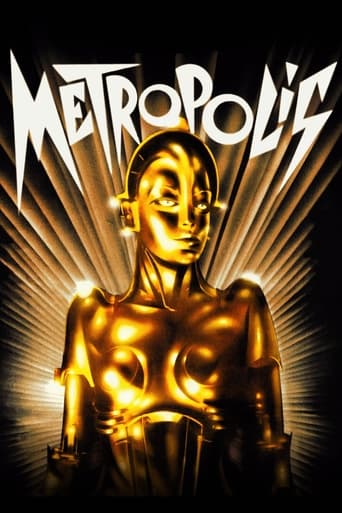
- Metropolis (1927)
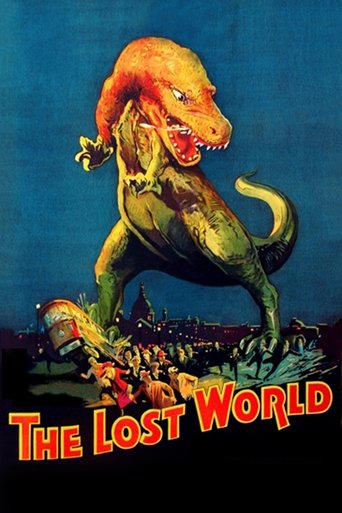
- The Lost World (1925)
- Häxan (1922)
This film influenced
- 20,000 Leagues Under the Sea (1954)
- Journey to the Center of the Earth (1959)
- Fantastic Voyage (1966)
- The Abyss (1989)
Film restoration
The film exists in both complete and incomplete versions. The silent version is better preserved and available in the MGM/UA archives. The sound version exists only in fragments, with some reels lost or severely degraded. The film has undergone partial restoration efforts, particularly for the underwater sequences, but a complete restoration has not been undertaken due to the condition of existing elements. Some scenes survive only in black and white despite being originally filmed in early Technicolor.
Where to watch
- Warner Archive Collection (DVD-R)
- TCM (Turner Classic Movies) occasional broadcasts
- The Criterion Channel (streaming)
- Various public domain archives (incomplete versions)