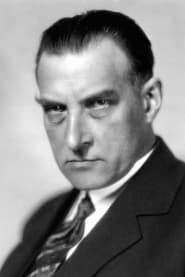
Benjamin Christensen
Actor & Director
Born: September 28, 1879 in Viborg, Denmark Died: April 2, 1959 Active: 1914-1942
Films
6 films
About Benjamin Christensen
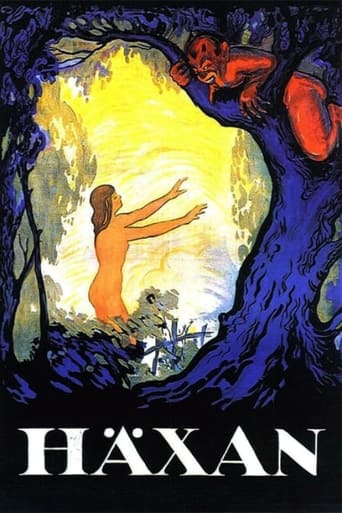
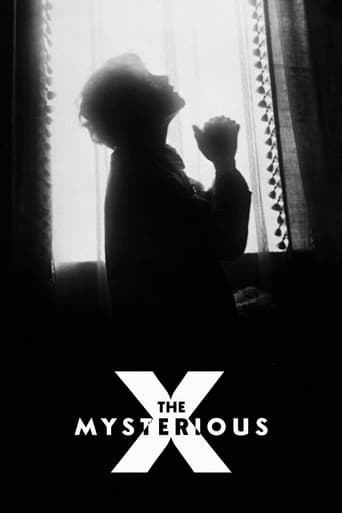
Danish filmmaker who revolutionized early cinema through his innovative directing techniques and bold subject matter. Born in Viborg, Denmark, he initially trained as a singer and actor before transitioning to filmmaking in the early 1910s. His breakthrough came with 'The Mysterious X' (1914), a spy thriller that showcased his mastery of suspense and visual storytelling. Christensen's most celebrated work, 'Häxan' (1922), was a docudrama that combined historical research, dramatic reenactments, and shocking special effects to explore witchcraft and superstition through the ages. The film's controversial nature and artistic brilliance made it an international sensation, though it was often censored or heavily edited in various countries. After his Danish success, Christensen worked in Germany and later Hollywood, where he directed several films for MGM and other studios, though he struggled with the transition to sound. He returned to Denmark in the late 1930s and made his final films before retiring from cinema. Christensen's legacy endures through his innovative techniques and the lasting influence of 'Häxan' on horror and documentary filmmaking.
The Craft
On Screen
As an actor, Christensen favored intense, expressive performances that complemented his dramatic directing style. He often played mysterious or villainous characters, utilizing the exaggerated gestures and facial expressions typical of silent era acting. His performances in his own films demonstrated his understanding of visual storytelling and his ability to convey complex emotions through physical acting rather than dialogue.
Behind the Camera
Christensen was known for his innovative visual techniques, bold subject matter, and willingness to push boundaries of acceptable content. He pioneered the use of documentary-style narrative combined with dramatic reenactment, particularly in 'Häxan'. His directing featured elaborate special effects, atmospheric lighting, and sophisticated camera movements that were ahead of their time. Christensen was meticulous in his research and attention to historical detail, especially evident in his witchcraft studies. He favored psychological horror over jump scares, creating tension through visual symbolism and disturbing imagery rather than overt violence.
Milestones
- Directed the groundbreaking documentary-horror film Häxan (1922)
- Pioneered special effects techniques in silent cinema
- Created the influential spy thriller The Mysterious X (1914)
- Worked across Danish, German, and Hollywood film industries
- Developed innovative documentary-drama hybrid filmmaking
- Influenced generations of horror and documentary filmmakers
Best Known For
Iconic Roles
Must-See Films
Accolades
Won
- Honorary Mention at Venice Film Festival for Häxan (1946 re-release)
Nominated
- Venice International Film Festival (1946) for Häxan re-release
Special Recognition
- Danish Film Institute's Benjamin Christensen Award (named in his honor)
- Retrospective screenings at major film festivals worldwide
- Cult status for Häxan among horror and avant-garde cinema enthusiasts
Working Relationships
Worked Often With
Studios
Why They Matter
Impact on Culture
Benjamin Christensen revolutionized horror cinema with 'Häxan,' which introduced documentary elements into genre filmmaking decades before it became common practice. His film's exploration of historical persecution, misogyny, and superstition provided a sophisticated critique of societal fears that remains relevant today. Christensen's innovative special effects techniques influenced visual effects in cinema for generations, particularly in horror and fantasy genres. His work helped establish Scandinavian cinema as a serious artistic force in the international film community. The controversial nature of his films sparked important discussions about censorship, artistic freedom, and the boundaries of acceptable content in cinema.
Lasting Legacy
Christensen's legacy lies primarily in his groundbreaking film 'Häxan,' which continues to be studied in film schools and screened at retrospectives worldwide. His hybrid documentary-drama style prefigured later movements in cinema, including the documentary horror genre and found footage films. His techniques for creating supernatural effects without modern technology remain impressive to contemporary filmmakers. Christensen is remembered as one of Denmark's most important early film directors, alongside contemporaries like Carl Theodor Dreyer. His work has been cited as an influence by filmmakers ranging from Ingmar Bergman to modern horror directors like Dario Argento and Guillermo del Toro.
Who They Inspired
Christensen influenced generations of filmmakers through his innovative visual storytelling and willingness to tackle taboo subjects. His documentary-horror hybrid approach in 'Häxan' prefigured later films like 'The Blair Witch Project' and 'Cannibal Holocaust.' His special effects techniques influenced visual effects pioneers like Georges Méliès successors. His psychological approach to horror influenced directors like Alfred Hitchcock and Roman Polanski. Contemporary Danish cinema continues to reflect his legacy of artistic ambition and technical innovation. His work has been particularly influential in the academic study of horror cinema and film history.
Off Screen
Christensen was married twice and had children from both marriages. He was known for his perfectionism and intense dedication to his craft, often spending years researching subjects before filming. His controversial film 'Häxan' led to censorship battles in multiple countries, affecting his career prospects. After returning to Denmark from Hollywood, he lived a relatively quiet life and largely withdrew from the film industry. He spent his later years working as a theater director and teacher.
Education
Royal Danish Theatre acting school; studied opera singing before transitioning to film
Family
- Karen Magdalene Christensen (1905-1919)
- Ellen Christensen (1920-1959)
Did You Know?
- Häxan was banned in several countries including the United States for decades due to its controversial content
- Christensen spent three years researching witchcraft and medieval history before making Häxan
- He played the Devil himself in Häxan, creating one of cinema's most memorable depictions of Satan
- The film's original running time was 104 minutes, but many versions were heavily edited
- Christensen built elaborate sets and created sophisticated special effects using primitive technology
- Häxan was re-released in 1941 with a new jazz score by William Burroughs and others
- He was one of the first directors to use documentary techniques in a fiction film
- Christensen's Hollywood career never matched his European success despite working with major studios
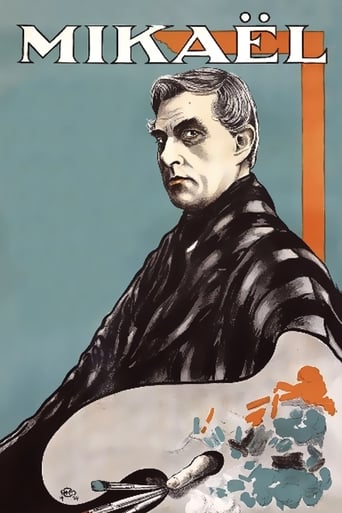
- Michael (1924), which he acted in, was directed by Carl Theodor Dreyer
- His films were rediscovered and championed by film critics in the 1960s and 1970s
In Their Own Words
I wanted to show how superstition and ignorance have always been the true devils in human history
The camera is not just a recording device, it's a weapon against prejudice and superstition
To make people think is more important than making them comfortable
Horror is not about monsters, it's about the darkness within human nature itself
I spent more time in libraries than on film sets preparing for Häxan
Frequently Asked Questions
Who was Benjamin Christensen?
Danish on YTB.my. He is best known for his groundbreaking 1922 film 'Häxan' (The Witch), which combined documentary elements with horror and was decades ahead of its time in both style and subject matter.
What films is Benjamin Christensen best known for?
Titles linked here include Häxan (1922), The Mysterious X (1914).
When was Benjamin Christensen born and when did he die?
Born September 28, 1879; died April 2, 1959.
What awards did Benjamin Christensen win?
During his lifetime, Christensen received limited formal recognition, though 'Häxan' received an Honorary Mention at the Venice Film Festival in 1946. His greatest honors came posthumously, with the Danish Film Institute establishing the Benjamin Christensen Award in his name and his films being celebrated in retrospectives at major film festivals worldwide.
What was Benjamin Christensen's directing style?
Christensen's directing style was characterized by innovative visual techniques, elaborate special effects, and a willingness to push boundaries of acceptable content. He pioneered the documentary-drama hybrid format, particularly in 'Häxan,' where he combined historical research with dramatic reenactments. His work featured sophisticated camera movements, atmospheric lighting, and psychological horror rather than overt violence.