Blind Justice
"On New Year's Eve."
Keys: Space play/pause · ←/→ 10s · F fullscreen · M mute · </> speed
About this film
On New Year's Eve, the convicted murderer, Strong Henry, escapes from prison and collects his son from the orphanage. When he breaks into a local manor to get some milk for his child, he is surprised by a young woman, Eva. Out of pity, she decides to help the stranger, but unfortunately some of the manor's other occupants wake up and call the police.
Cast & crew
More films like this
More Drama films
View all →







More from Benjamin Christensen
View all →
More about this film
About the production
Release dateOctober 2, 1916 (Denmark)
ProductionDansk Biografkompagni
Filmed inDenmark
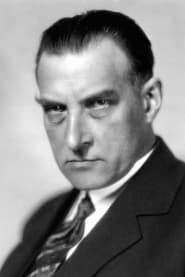
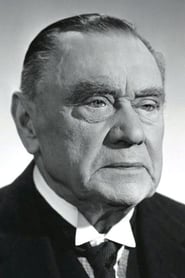
This was one of Benjamin Christensen's early directorial efforts before his international breakthrough with 'Häxan' (1922). The film was produced during the golden age of Danish cinema, when the country was one of Europe's leading film producers. Christensen, who also starred as Strong Henry, was known for his hands-on approach to filmmaking and his interest in psychological themes and moral ambiguity.
Themes
Justice and vengeanceRedemption and forgivenessPaternal love and sacrificeSocial marginalizationMoral ambiguity
Themes & topics
prison escapeorphanmanor houserevengewrongful accusationfather-son relationshipNew Year's Evefourteen years laterbetrayalredemption quest
Historical background
The 1916 release of Blind Justice belongs to its era's exhibition habits rather than today's franchise model.
Why this film matters
Reference works on 1916 cinema cite Blind Justice when tracing genre and regional production patterns.
Making of
Benjamin Christensen was a meticulous filmmaker who often took multiple roles in his productions. For 'Blind Justice', he not only directed and starred but was heavily involved in the screenplay development. The film was shot during a period when Danish cinema was at its creative peak, with studios experimenting with narrative complexity and psychological depth. Christensen's method acting approach was unusual for the time, as he immersed himself deeply in the character of Strong Henry. The production faced challenges typical of the era, including limited lighting equipment and the need to shoot in natural light. The manor scenes were reportedly filmed in an actual Danish estate, adding authenticity to the production. The child actor playing Henry's son was discovered through a casting call at a local school, as was common practice for Danish productions of the period.
What critics said
Modern retrospectives screen Blind Justice to illustrate 1916 pacing and camera norms.
Did you know?
- This film represents one of Benjamin Christensen's earliest directorial works, predating his famous witchcraft documentary 'Häxan' by six years
- Christensen not only directed but also starred in the film, playing the lead role of Strong Henry
- The film was released during World War I, when Danish cinema was experiencing a golden age due to the country's neutrality
- The original Danish title was 'Blind Retfærdighed', literally translating to 'Blind Justice'
- The film explored themes of redemption and vengeance that would later become hallmarks of Christensen's work
- Like many silent films of the era, it was likely tinted different colors to indicate mood and time of day
- The film's survival status is uncertain, as many Danish films from this period have been lost
- Christensen's background in art and theater influenced his visual storytelling techniques
- The prison escape sequence was considered particularly innovative for its time
- The film's moral ambiguity was unusual for the period, questioning traditional notions of justice and redemption
Visual style
The film employed the sophisticated cinematography techniques characteristic of Danish cinema's golden age. Cinematographer Jens Anker utilized natural lighting and innovative camera movements to enhance the psychological tension of key scenes. The prison sequences featured dramatic shadows and stark contrasts that prefigured German Expressionist cinema. The manor interiors were shot with careful attention to period detail and spatial relationships. Christensen's background in visual arts influenced the film's compositional sophistication, with careful framing and symbolic use of space and light. Like many Danish films of the era, it likely employed color tinting to enhance emotional impact and indicate different times of day.
Innovations
The film demonstrated several technical innovations characteristic of Danish cinema's golden age. Christensen employed sophisticated editing techniques to build psychological tension, including cross-cutting between parallel actions. The film's use of location shooting in actual Danish estates added production value uncommon for the period. The prison escape sequence featured innovative camera work and stunt coordination that impressed contemporary audiences. The film's narrative structure, with its fourteen-year time jump, was relatively sophisticated for 1916. Christensen's direction showed advanced understanding of visual storytelling techniques that would influence subsequent European cinema.
Music
As a silent film, 'Blind Justice' would have been accompanied by live musical performance during its original theatrical run. The score would have been provided by a theater organist or small orchestra, typically using compiled classical pieces or popular melodies appropriate to the film's mood. Danish cinemas of the era often employed musicians who could improvise accompaniment tailored to each film's emotional arc. The film's tense and emotional sequences would have been enhanced by dramatic musical selections, while quieter moments might have featured more subtle accompaniment. No original score survives, as was typical for silent films of the period.
Famous quotes
Justice may be blind, but a father's love sees all
Fourteen years in prison cannot erase the memory of a child's face
Betrayal cuts deeper than any prison wall
Memorable scenes
- The tense prison escape sequence on New Year's Eve, where Strong Henry navigates the darkness and snow to freedom, showcasing Christensen's innovative use of shadows and movement to create suspense and desperation
What audiences thought
Danish audiences of 1916 reportedly responded positively to the film's emotional intensity and Christensen's compelling performance. The film's themes of paternal love and redemption resonated with wartime audiences grappling with questions of morality and justice. However, like many films of the silent era, detailed audience reception records are scarce. The film's local success in Denmark contributed to Christensen's growing reputation as a significant directorial talent. Modern audiences who have had the opportunity to view surviving prints or restorations often remark on the film's surprisingly modern sensibility and psychological depth.
Film connections
Influenced by
- Danish literary tradition of social realism
- Contemporary Scandinavian crime fiction
- Early German psychological cinema
- Danish theater traditions
- The works of August Strindberg
This film influenced
- Häxan (1922) - Christensen's later masterpiece
- Other Danish psychological dramas of the late 1910s
- Early Scandinavian crime films
- European prison escape films
Film restoration
The preservation status of 'Blind Justice' is uncertain. Many Danish films from the 1910s have been lost due to the fragile nature of nitrate film stock and the lack of systematic preservation efforts in the early 20th century. The Danish Film Institute has been working to locate and restore surviving Danish silent films, but complete prints of many Christensen works from this period remain missing. Fragments or incomplete versions may exist in film archives, but a fully restored version is not currently widely available to the public.
Where to watch
- Due to its uncertain preservation status, 'Blind Justice' is not currently available on major streaming platforms or home video. Film enthusiasts may need to contact specialized film archives such as the Danish Film Institute or the Museum of Modern Art's film department to inquire about potential viewing opportunities or existing film elements. Occasionally, rare film screenings may be arranged at film festivals or special cinema events focusing on early Scandinavian cinema.