Films
2 films
About Karen Sandberg
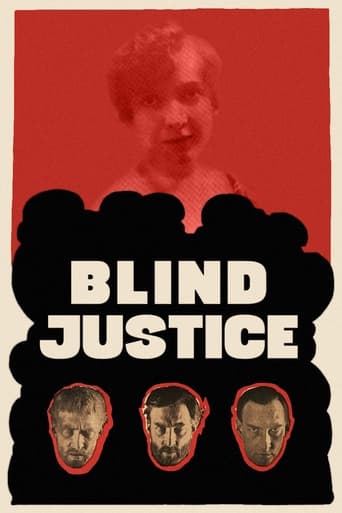
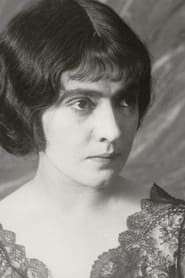
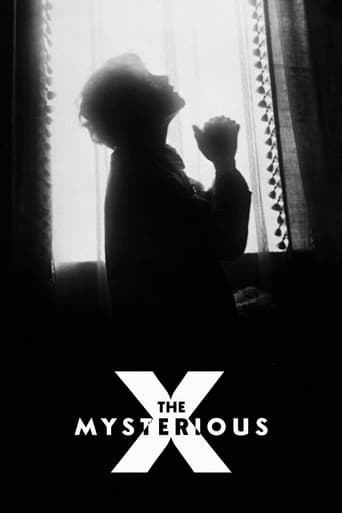
Silent film actress who had a brief but notable career during the early years of American cinema. Karen appears in two films during the mid-1910s, 'The Mysterious X' in 1914 and 'Blind Justice' in 1916, both of which were typical of the melodramatic and mystery genres popular during the silent era. Like many actresses of her time, Sandberg's career was relatively short-lived, spanning only two years, which was not uncommon for performers in the rapidly evolving film industry of the 1910s. Her work came during a transitional period when cinema was establishing itself as a legitimate art form and moving from short one-reelers to longer feature films. The limited documentation of her career reflects the challenges of preserving information about early film performers, especially those who did not achieve lasting fame. Despite her brief time in the spotlight, Sandberg contributed to the growing body of silent cinema that laid the groundwork for the Golden Age of Hollywood.
The Craft
Milestones
- Appeared in 'The Mysterious X' (1914)
- Starred in 'Blind Justice' (1916)
- Worked during the formative years of American silent cinema
Best Known For
Iconic Roles
Must-See Films
Why They Matter
Impact on Culture
Karen Sandberg represents the countless anonymous performers who contributed to the development of early American cinema during its formative years. While her individual impact may be difficult to trace due to limited documentation, actors like her were essential to the growth of the film industry as it transitioned from novelty to art form. Her work in the mid-1910s came during a crucial period when cinema was establishing narrative conventions and professional practices that would influence generations of filmmakers. The scarcity of information about performers like Sandberg highlights the historical challenges in preserving the complete record of silent era cinema and the often-overlooked contributions of women in early film.
Lasting Legacy
Karen Sandberg's legacy is primarily as a representative example of the many silent era actors whose careers were brief but who nonetheless contributed to the foundation of American cinema. Her two known films from 1914 and 1916 place her squarely in the period of feature filmmaking, when the industry was still developing its stars, studios, and storytelling techniques. While she may not have achieved the lasting fame of contemporaries like Mary Pickford or Lillian Gish, her participation in early cinema helps illustrate the breadth of talent that existed during this transformative era. The limited documentation of her career serves as a reminder of how many early film performers have been lost to history, underscoring the importance of film preservation and historical research in maintaining the complete record of cinema's development.
Who They Inspired
Due to the brevity of her career and limited documentation of her work, Karen Sandberg's direct influence on subsequent generations of performers cannot be definitively traced. However, like all actors of her era, she contributed to the evolving language of screen acting that would influence later performers. Her work during the transitional period of the mid-1910s was part of the collective effort that helped establish acting conventions for silent cinema, which in turn influenced the development of film acting techniques throughout the 20th century.
Off Screen
Very little is documented about Karen Sandberg's personal life, which is typical for many minor actors from the silent era. Like many performers of her time, detailed biographical information was not systematically preserved, especially for those who had brief careers in the rapidly changing film industry of the 1910s.
Did You Know?
- Karen Sandberg's entire known filmography consists of only two films made two years apart
- Her active years covered the early years of World War I, a period of significant change in the film industry
- Like many silent era actors, her birth and death dates are not documented in available sources
- The films she appeared in were typical of the mystery and melodrama genres popular in the 1910s
- Her brief career reflects the transient nature of early film stardom before the studio system was fully established
- No photographs of Karen Sandberg are widely available in public archives
- Her career ended before the Hollywood studio system was fully consolidated in the 1920s
- She represents the thousands of early film performers whose contributions have been largely lost to history
Frequently Asked Questions
Who was Karen Sandberg?
Screen credits include two films during the mid-1910s: 'The Mysterious X' (1914) and 'Blind Justice' (1916). She had a brief career spanning only two years, which was not uncommon for actors during the early days of American cinema.
What films is Karen Sandberg best known for?
Titles linked here include The Mysterious X (1914), Blind Justice (1916).
When was Karen Sandberg born and when did she die?
Unfortunately, Karen Sandberg's birth and death dates are not documented in available historical sources. This lack of biographical information is typical for many minor actors from the silent era whose lives were not systematically recorded.
What awards did Karen Sandberg win?
There are no records of Karen Sandberg receiving any major awards or nominations. During her active years in the mid-1910s, the Academy Awards had not yet been established (they began in 1929), and formal recognition for film actors was not common.
What was Karen Sandberg's acting style?
Specific details about Karen Sandberg's acting style are not documented in available sources. However, as a performer in the mid-1910s, she likely employed the exaggerated gestures and dramatic expressions typical of silent era acting, which was necessary to convey emotion without synchronized sound.