Films
3 films
About Peter Fjelstrup
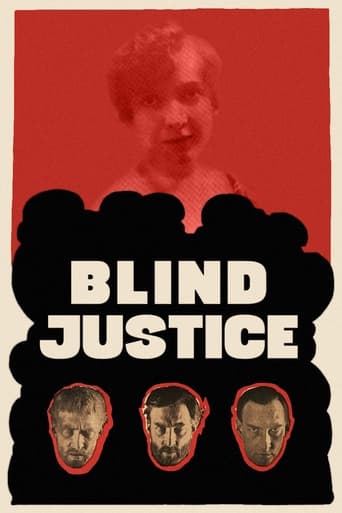
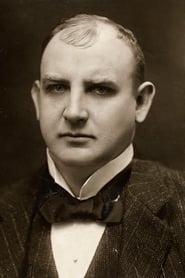
Peter Fjelstrup worked on American silent films during the late 1910s. His known filmography consists of two productions: 'Blind Justice' (1916) and 'The Power of Love' (1919), suggesting a brief but focused career in the emerging American film industry. As a Scandinavian actor during the silent era, he was part of the wave of European talent that contributed to early Hollywood's development. The limited span of his known work (1916-1919) places him squarely in the transitional period of American cinema as it evolved from short films to feature-length productions. His appearance in 'The Power of Love' is particularly noteworthy as this film was one of the early experiments in 3D technology, though his specific role in this innovative production remains undocumented. Like many actors of his era, his career likely spanned both stage and screen, though detailed records of his theatrical work have not survived. The scarcity of information about his later career suggests he may have returned to Europe or left the film industry following his brief American period.
The Craft
Milestones
- Appeared in 'Blind Justice' (1916)
- Appeared in 'The Power of Love' (1919)
- Part of early 3D film experimentation
Best Known For
Must-See Films
Why They Matter
Impact on Culture
Peter Fjelstrup represents the many international actors who contributed to the foundation of American cinema during its formative years. His participation in 'The Power of Love' (1919), one of the earliest 3D films ever produced, places him within the technological experimentation that defined early Hollywood innovation. Though his individual contribution may seem minor, he was part of the diverse talent pool that helped establish the film industry as a global cultural force. Scandinavian actors like Fjelstrup were particularly valued during the silent era for their theatrical training and distinctive screen presence, contributing to the international character of early American cinema.
Lasting Legacy
Peter Fjelstrup's legacy is primarily preserved through his participation in early film history, particularly in 'The Power of Love,' which stands as a landmark in the development of 3D cinema technology. While not a major star, his career exemplifies the transient nature of early film acting, where many performers contributed to significant productions without achieving lasting fame. His story is representative of countless actors from the silent era whose work survives but whose personal histories remain largely undocumented, serving as a reminder of the many lost narratives from cinema's foundational years.
Who They Inspired
As a relatively obscure actor from the silent era, Peter Fjelstrup's direct influence on subsequent generations of performers is difficult to trace. However, his participation in early technological innovations like 3D filmmaking places him within the continuum of actors who helped push the boundaries of what cinema could achieve, even in minor capacities.
Off Screen
Very little information is available about Peter Fjelstrup's personal life, which is typical for many supporting actors from the silent era whose records were not extensively preserved.
Did You Know?
- Appeared in 'The Power of Love' (1919), one of the earliest 3D films ever produced
- His known film active years covered only three years (1916-1919)
- Was one of many Scandinavian actors who worked in American silent films
- His exact role in both known films remains undocumented in surviving records
- Represents the many supporting actors from the silent era whose personal histories have been lost to time
- His career coincided with World War I, which may have affected his ability to continue working in American films
Frequently Asked Questions
Who was Peter Fjelstrup?
Screen credits include American silent films during the late 1910s, known for his roles in 'Blind Justice' (1916) and 'The Power of Love' (1919). He was part of the international talent that contributed to early Hollywood's development.
What films is Peter Fjelstrup best known for?
Titles linked here include The Power of Love (1919), Blind Justice (1916).
When was Peter Fjelstrup born and when did he die?
Peter Fjelstrup's exact birth and death dates are not documented in available historical records. He is known to have been Danish and active in American films between 1916 and 1919.
What awards did Peter Fjelstrup win?
There are no recorded awards or honors for Peter Fjelstrup, which is common for many supporting actors from the silent era whose contributions were not formally recognized by the award systems that developed later in film history.
What was Peter Fjelstrup's acting style?
Specific details about Peter Fjelstrup's acting style are not documented in surviving records. As a Scandinavian actor during the silent era, he likely brought theatrical training techniques common among European performers of that period.