
Snitz Edwards
Actor
Born: January 1, 1868 in Bucharest, Romania Died: May 1, 1937 Active: 1918-1929 Birth Name: Edward Neumann
Films
10 films
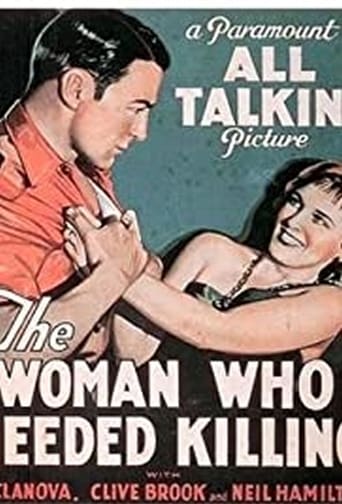

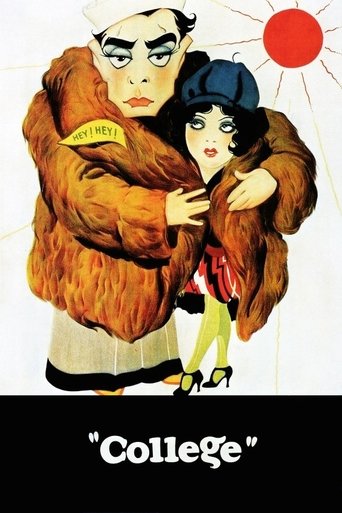
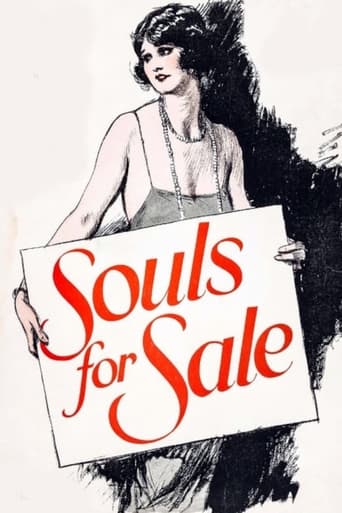
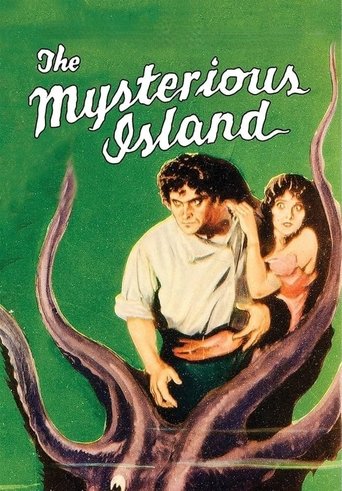
About Snitz Edwards
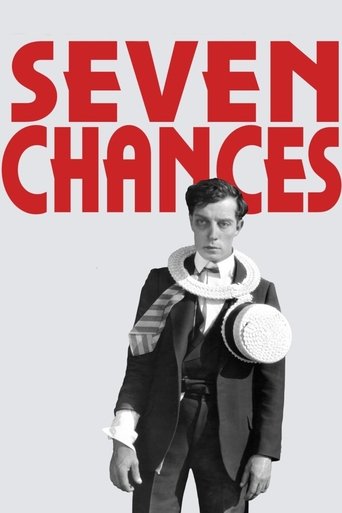
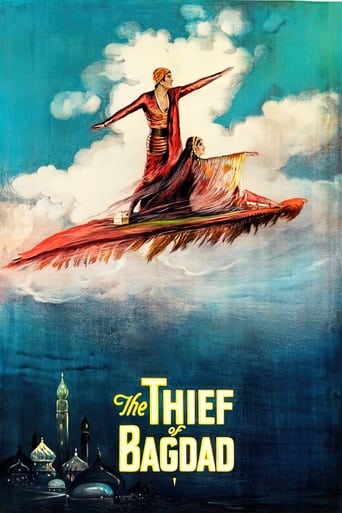
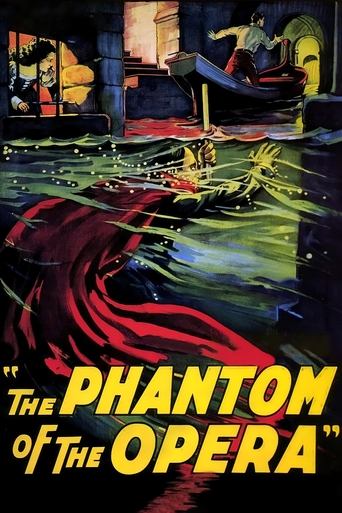
prolific character actor of the silent film era — known for his distinctive appearance and versatile performances. Born in Romania, he immigrated to the United States and began his entertainment career in vaudeville before transitioning to motion pictures. Edwards became a recognizable face in Hollywood during the 1920s, appearing in over 80 films in just over a decade. He frequently worked with comedy legend Buster Keaton, becoming one of his most reliable supporting players in films like 'Seven Chances' and 'The Navigator.' Edwards also appeared in major productions such as 'The Thief of Bagdad' and 'The Phantom of the Opera,' often playing eccentric or comic relief characters. His career was cut short by the transition to sound films, as his thick accent limited his opportunities in talkies. Despite his relatively brief film career, Edwards on silent cinema as one of the era's most recognizable character actors.
The Craft
On Screen
Snitz Edwards was known for his expressive face, distinctive appearance with large eyes and mustache, and ability to convey emotion through physical comedy. His acting style was rooted in the theatrical traditions of vaudeville, emphasizing exaggerated gestures and facial expressions that translated well to silent film. Edwards excelled at playing nervous, flustered, or eccentric characters, often serving as perfect foils to the leading men. Despite the limitations of silent film acting, he brought nuance and depth to his supporting roles, making even minor characters memorable.
Milestones
- Breakthrough role in Buster Keaton's 'The Navigator' (1924)
- Memorable performance in 'The Phantom of the Opera' (1925)
- Regular collaborator with Buster Keaton in multiple comedies
- Appeared in Douglas Fairbanks' 'The Thief of Bagdad' (1924)
- Transition from vaudeville to successful film career
Best Known For
Iconic Roles
Must-See Films
Accolades
Special Recognition
- Star on the Hollywood Walk of Fame (for contributions to motion pictures)
Working Relationships
Worked Often With
Studios
Why They Matter
Impact on Culture
Snitz Edwards represents the archetype of the silent era character actor who brought depth and recognition to supporting roles. His work with Buster Keaton helped define the visual comedy style of the 1920s, contributing to some of the most enduring comedies of the silent period. Edwards' ability to create memorable characters with limited screen time demonstrated the importance of ensemble casting in silent films. His career trajectory also illustrates the challenges faced by many foreign-born actors during the transition to sound, highlighting a significant turning point in Hollywood history.
Lasting Legacy
Snitz Edwards' legacy endures through his appearances in classic silent films that continue to be studied and celebrated by film enthusiasts. His collaborations with Buster Keaton are considered essential viewing for understanding silent comedy, and his performances remain examples of effective character acting in the silent medium. While not a household name like many leading men of his era, Edwards is remembered by film historians as a reliable and talented performer who elevated every film he appeared in. His distinctive appearance and acting style have influenced generations of character actors who followed.
Who They Inspired
Edwards influenced the development of the character actor archetype in Hollywood, demonstrating how supporting players could become familiar faces to audiences. His work in comedy films, particularly with Keaton, helped establish patterns of visual humor and character dynamics that would influence comedy filmmaking for decades. Foreign-born actors who followed in Hollywood looked to Edwards' career as both inspiration and cautionary tale regarding the challenges of the sound transition.
Off Screen
Snitz Edwards married actress Eleanor Taylor in 1915, and they remained together until his death in 1937. The couple had no children. Edwards was known in Hollywood circles as a private but well-liked individual who maintained friendships with many of his co-stars. Despite his success in films, he lived modestly and was known for his frugal lifestyle, having experienced poverty during his early years in America. He was fluent in multiple languages, including Romanian, Yiddish, English, and French, which initially helped him in vaudeville but later became a liability in sound films.
Education
Limited formal education; trained in vaudeville and theater performance
Family
- Eleanor Taylor (1915-1937)
Did You Know?
- Born Edward Neumann, he chose 'Snitz Edwards' as his stage name
- Appeared in over 80 films in just 11 years
- Was a favorite of director Buster Keaton, appearing in 6 of his films
- His thick accent effectively ended his film career with the advent of sound
- Began his entertainment career in Yiddish theater
- Was known for his ability to play multiple ethnicities due to his versatile appearance
- Often played nervous, flustered characters which became his trademark
- Was one of the few character actors to receive a Hollywood Walk of Fame star
- Never appeared in a sound film
- His final film appearance was in 1929's 'The Show of Shows'
In Their Own Words
In silent films, your face had to do all the talking. Every twitch, every blink meant something.
Working with Keaton was like being part of a great ballet of comedy - every move had to be precise.
Frequently Asked Questions
Who was Snitz Edwards?
Romanian-American character with credits in this catalog. He appeared in over 80 films and was particularly known for his collaborations with Buster Keaton and his distinctive appearance with large expressive eyes.
What films is Snitz Edwards best known for?
Titles linked here include Seven Chances (1925), The Navigator (1924).
When was Snitz Edwards born and when did he die?
Born January 1, 1868; died May 1, 1937.
What awards did Snitz Edwards win?
While Snitz Edwards did not receive major acting awards during his lifetime, he was honored with a star on the Hollywood Walk of Fame for his contributions to motion pictures. This recognition acknowledges his significant impact on silent cinema despite never being a leading man.
What was Snitz Edwards' acting style?
Edwards' acting style was characterized by his expressive face, exaggerated gestures, and ability to convey emotion through physical comedy. Rooted in his vaudeville background, he excelled at playing nervous, flustered, or eccentric characters, making him perfect for the visual storytelling requirements of silent films.
Why did Snitz Edwards' career end with the advent of sound films?
Edwards' career effectively ended with the transition to sound films due to his thick Romanian accent. As a character actor known for his visual performance style, his foreign accent limited his opportunities in talkies, a fate shared by many successful silent era actors.
Did Snitz Edwards work with other famous actors besides Buster Keaton?
Yes, Edwards worked with many of the biggest stars of the silent era including Lon Chaney in 'The Phantom of the Opera,' Douglas Fairbanks in 'The Thief of Bagdad,' and appeared in numerous other productions with leading actors of the time. His versatility made him a sought-after supporting player across different genres.